 English
 русский
 Deutsch
 日本語
日本語
Content
The Short Answer: Rod Down
If you are asking which way up should gas struts be, the general rule is: fit them rod down—thick tube at the top, thin piston rod toward the lower mounting point. This applies to most standard compression gas springs installed on toolboxes, cabinet doors, boat hatches, vehicle tailgates, and similar hinged panels.
The reason is inside the strut. A gas spring is not just a pressurized cylinder; it also contains a small amount of oil. That oil lubricates the rod seal and the rod surface. Mounting rod down lets the oil pool around the seal, so every movement stays smooth, quiet, and consistent. Mounting rod up can let the oil settle away from the seal, leading to dry running, squeaking, jerky motion, and premature wear. If you want a quick refresher on the internal structure, it is worth understanding how gas spring rods work before you decide on the mounting position.
What Does “Rod Down” Actually Look Like?
Identify the two main parts of the strut. The larger-diameter body is the tube; the smaller polished shaft is the piston rod. On a correctly installed rod-down strut, the tube is above the rod when the panel is closed or at rest. That means the exposed rod points downward and the thicker cylinder body sits closer to the fixed mounting point.
In a typical hatch or lid installation, the tube is attached to the fixed frame and the rod end is attached to the moving panel. When the panel is closed, the rod end sits lower than the tube end. Two visual clues can help you check an existing installation:
- If the exposed rod is pointing upward when the panel is closed, the strut is probably upside down.
- If the strut is mounted horizontally at rest, there may not be enough slope for the oil to return to the seal.
There are exceptions, such as certain high-pressure or custom-valved struts. But unless the product data sheet tells you something different, treat rod down as the default orientation.
How Mounting Angle Affects Performance
Orientation is not just about which end is up; the angle of the strut also matters. A gas strut should normally sit at about 10° to 30° from the fully closed position. That slight incline is enough for oil to flow back to the rod seal and helps the internal damping valve work properly.
If a strut has to be mounted close to horizontal, check whether the mounting brackets can be raised or shifted to create a slope. If the application forces a near-flat angle, the strut may feel weak at first, then suddenly rush open as the rod passes through a dead point.
| Orientation | What you notice | Recommendation |
|---|---|---|
| Rod down, 10–30° incline | Smooth even movement, quiet operation, consistent lifting force | Use this as your starting point for most installations |
| Rod up | Squeaking, stiction at the start of travel, jerky movement, short service life | Avoid unless the strut is specifically designed for it |
| Horizontal | Oil may settle in the tube, causing uneven damping and reduced lubrication | Reposition brackets to create a slope, or use a special design |
Remember that temperature changes the perceived force of a gas spring. A strut that feels lazy in winter may feel strong in summer. Test the orientation at the temperature your product will normally be used at.
Where to Position the Mounting Brackets
Getting the strut pointing the right way is only half the job. The mounting bracket positions control the force curve, opening angle, and whether the strut can do its job without straining the hinge. Here are three checks we use when laying out a new application.
Avoid Dead Center
The strut must not pass through a straight line where the force goes directly through the hinge or bracket. If that happens, the strut can lock momentarily and then snap the panel open. Position the brackets so the line of action starts just off center and gains leverage as the panel opens.
Leave Some Unused Stroke
Do not design the closed position to bottom out the strut at the end of its stroke. Leaving a small amount of unused stroke protects the internal seals from constant pressure and gives the end damper room to work. It also prevents “instant lift” when the latch is released.
Check the End Fittings
Ball sockets, fork ends, and eye ends change how much misalignment the strut can accommodate. The fitting should allow free rotation without side loading the rod. If the rod is forced sideways, the seal will wear unevenly no matter how the strut is oriented. You can compare the common end mounting methods before choosing brackets.
Orientation for Different Types of Gas Springs
Most basic gas springs follow the rod-down rule. But it helps to think about the application and the product type separately.
Support Gas Springs
For lid supports and access panels, the choice is usually a standard compression-type support. These are simple, reliable, and best installed with the tube high and the rod low. If you are specifying one for a retrofit or a new build, our support gas spring range includes different end fittings and force ratings to suit the mounting position you have.
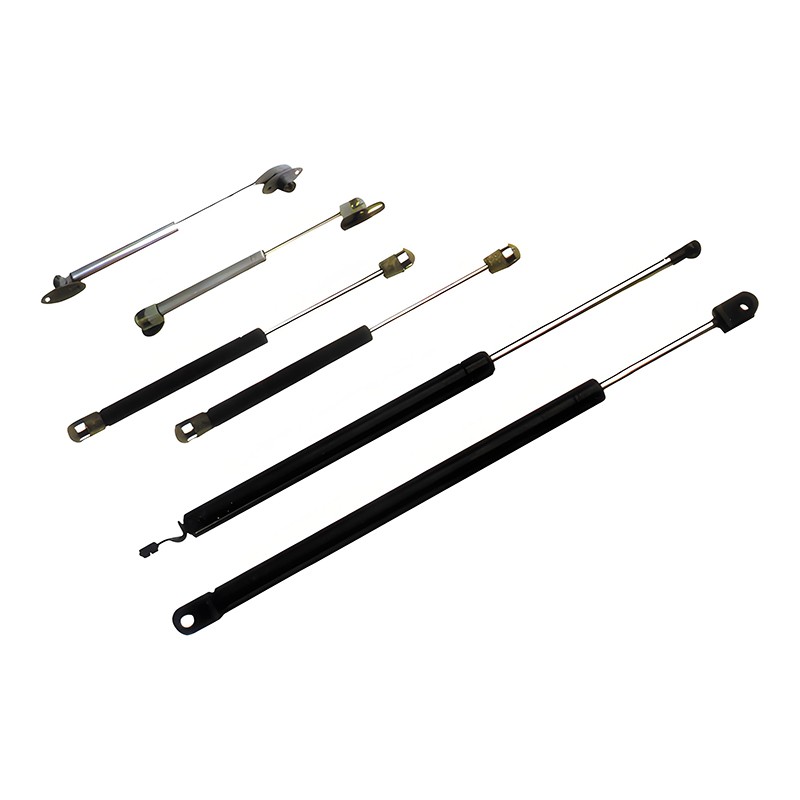 Gas Spring Support Manufacturers, Gas Spring Lift Support SuppliersADF is Gas Spring Support Manufacturers, Gas Spring Lift Support Suppliers and Gas Strut Lift Support Factory in China, offer Gas Strut L...View Product →
Lockable Gas Springs
Lockable gas springs do not just move a panel; they hold it in position. The locking valve depends on oil flow and internal pressure, so orientation can matter even more. Most lockable versions still work best rod down, but you should always confirm the manufacturer’s quoted mounting position. In our lockable gas spring options, the rod-down recommendation is clearly marked so you can plan the bracket layout without guesswork.
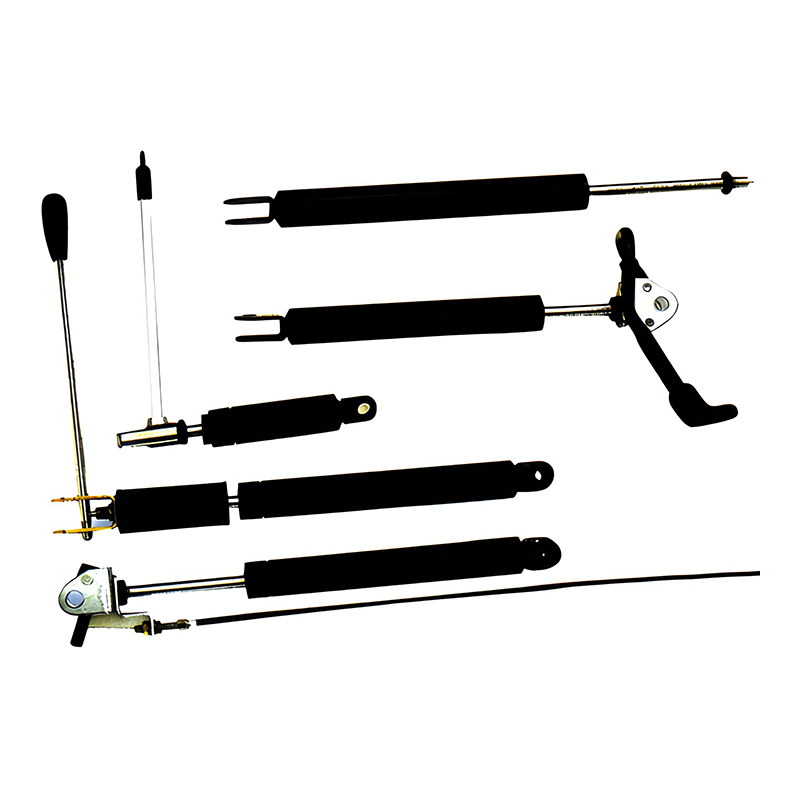 Lockable Gas Spring Manufacturers, Locking Gas Springs SuppliersChina Adjustable Locking Gas Springs Manufacturers, Lockable Gas Springs Suppliers and Factory, ADF offer Custom Lockable Gas Struts, Adj...View Product →
Automatic Spring Lift Gas Struts
Automatic spring lift gas struts are used where a smooth lifting assist is needed. They behave similarly to standard support struts, so rod down remains the default. If you are replacing an old unit, match the extended length, stroke, and force rather than assuming a shorter strut will work. For a ready-made solution, automatic spring lift gas struts are built with the same rod-down mounting logic in mind.
 Automatic Spring Lift Gas Struts Suppliers, Factory - Changzhou Andefu Gas SprinAndefu is China Automatic Spring Lift Gas Struts Suppliers and Factory, Custom Automatic Spring Lift Gas Struts for sale, The automatic s...View Product →
How to Test whether the Orientation Is Correct
If you already have a gas spring installed and something feels wrong, check orientation before changing the force. A rod-up or near-horizontal strut often behaves in a distinctive way: it is stiff for the first few centimetres, then extends too quickly, or it makes a rubbery squeak near the seal.
- Close the panel and look at the strut. Is the rod end noticeably lower than the tube end?
- Disconnect one end if you need to, then rotate the strut 180° and see whether the movement becomes smoother.
- Try opening and closing slowly, then quickly. The strut should never slam or hesitate in mid-travel.
If rotating the strut fixes the problem, the mounting brackets need to move. If the movement is still uneven, the issue may be a misaligned bracket or the wrong gas spring force.
The Practical Takeaway
The answer to “which way up should gas struts be” is not a complicated one: mount them rod down whenever the application allows. Give the strut a gentle incline of about 10° to 30° from closed, keep the brackets away from dead center, and leave a little unused stroke.
If a product sheet specifies a different orientation, follow that instruction, because some gas springs use special valve designs. But for the vast majority of support, lockable, and lift applications, rod down is the safe default. If you are unsure about a particular mounting layout, contact us with your mounting requirements and we can help you confirm the correct gas spring orientation, mounting angle, and specification.