 English
 русский
 Deutsch
 日本語
日本語
Content
- 1 The Cylinder Under an Office Chair Is a Pneumatic Gas Lift That Controls Height
- 2 How a Pneumatic Office Chair Cylinder Works
- 3 Common Signs the Office Chair Air Cylinder Needs Repair
- 4 Temporary Office Chair Air Cylinder Fix Methods
- 5 Choosing a Replacement Pneumatic Cylinder for Office Chair Repair
- 6 Why Replacing the Gas Lift Cylinder Is Usually the Best Solution
The Cylinder Under an Office Chair Is a Pneumatic Gas Lift That Controls Height
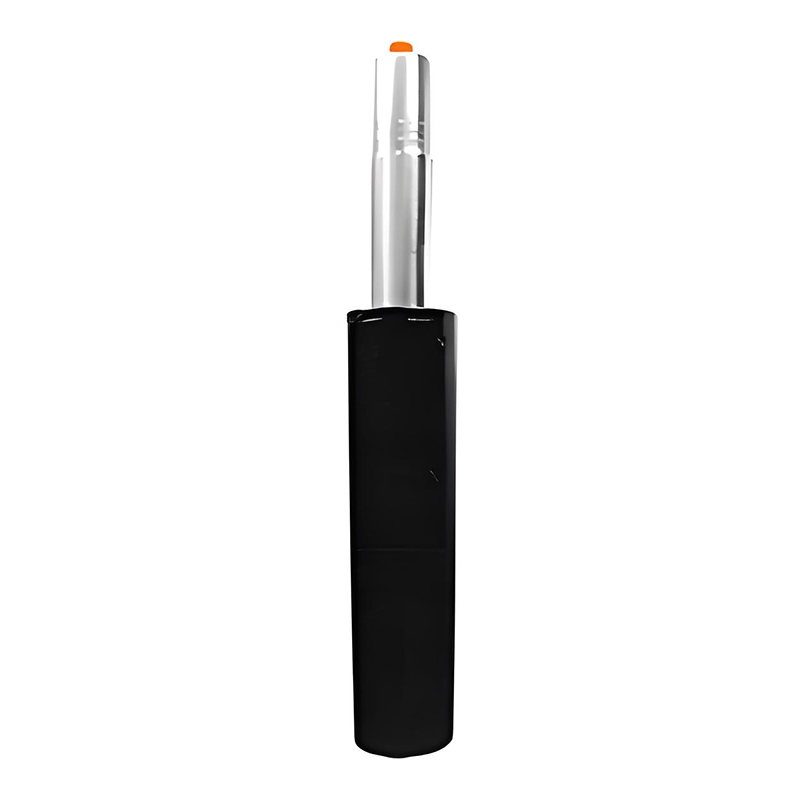
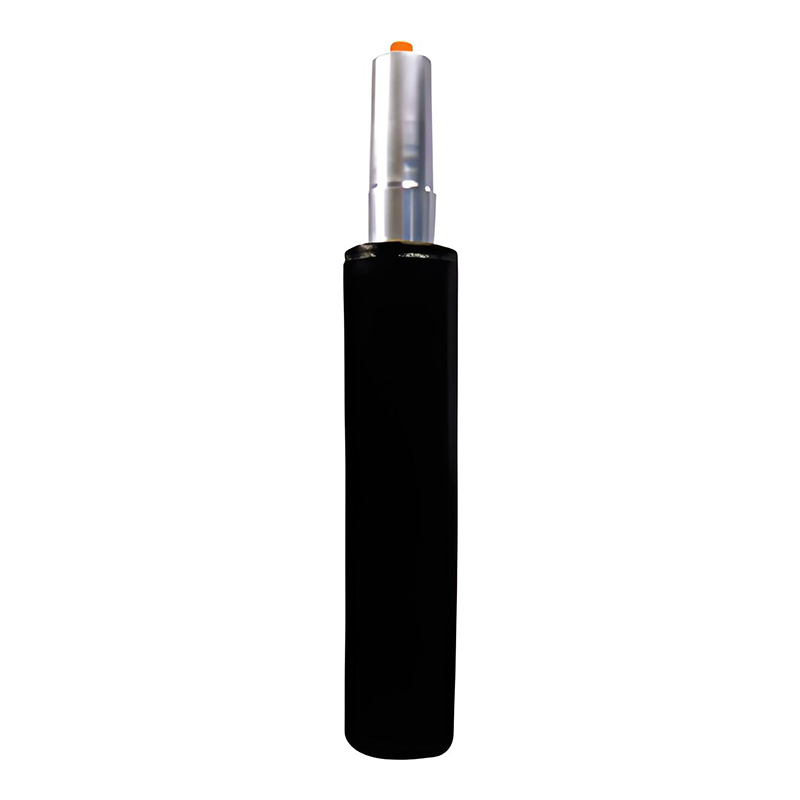
The cylinder under an office chair is called a pneumatic gas lift cylinder. It allows the chair height to be adjusted smoothly using compressed gas inside a sealed steel chamber. When the adjustment lever is pressed, the valve inside the cylinder releases pressure and the seat moves up or down depending on body weight.
Most modern office chairs rely on this mechanism because it provides quick height adjustment and supports significant weight. A typical office chair gas lift can support 250–350 lbs (113–159 kg), while heavy-duty models may support over 450 lbs (204 kg). When the internal seal fails, the chair may slowly sink, which usually means the cylinder needs repair or replacement.
How a Pneumatic Office Chair Cylinder Works
A replacement pneumatic cylinder for an office chair operates using compressed nitrogen gas sealed inside a metal tube. The gas pressure supports the user’s weight while allowing controlled movement when the release valve is activated.
Key Components Inside the Gas Lift Cylinder
- Outer steel cylinder housing
- Internal piston rod that moves vertically
- High-pressure nitrogen gas chamber
- Valve mechanism connected to the chair lever
- Sealing rings preventing gas leakage
When the lever is pressed, the valve opens and allows the piston to move. If the user is seated, the chair lowers. If the chair is unloaded, the gas pressure pushes the piston upward, raising the seat.
Common Signs the Office Chair Air Cylinder Needs Repair
A failing office chair air cylinder usually shows clear symptoms. Identifying these signs helps determine whether an office chair air cylinder fix is possible or if replacement is required.
- The chair slowly sinks while sitting
- Height adjustment no longer responds to the lever
- The chair drops immediately after being raised
- Grinding or resistance when adjusting height
In most cases, these problems occur because the internal gas seal fails. Once pressure escapes, the cylinder can no longer hold the seat position. The most reliable solution is installing a replacement pneumatic cylinder for the office chair.
Temporary Office Chair Air Cylinder Fix Methods
Some users attempt a temporary office chair air cylinder fix to stop the chair from sinking. These solutions do not repair the gas chamber but can stabilize the chair until a replacement cylinder is installed.
Common Temporary Fix Approaches
- Installing a plastic spacer around the piston rod
- Using a metal hose clamp to lock the seat height
- Adding a PVC pipe sleeve to prevent downward movement
These methods simply block vertical movement. They do not restore pneumatic function, which is why replacement cylinders remain the long-term solution.
Choosing a Replacement Pneumatic Cylinder for Office Chair Repair
When selecting a replacement pneumatic cylinder for an office chair, several technical factors should be considered to ensure compatibility and safe operation.
| Specification | Typical Value | Purpose |
|---|---|---|
| Stroke Range | 100–140 mm | Determines height adjustment range |
| Weight Capacity | 120–200 kg | Ensures safe load support |
| Cylinder Standard | Class 3 or Class 4 | Indicates durability rating |
Most office chairs use standardized tapered fittings, meaning replacement cylinders are widely compatible across brands. Installing a new cylinder can restore full height adjustment and extend the chair’s usable life by several years.
Why Replacing the Gas Lift Cylinder Is Usually the Best Solution
Although temporary fixes can stabilize a chair, replacing the pneumatic cylinder provides the most reliable repair. A new gas lift restores smooth height adjustment, maintains proper ergonomic positioning, and ensures safe weight support.
A replacement pneumatic cylinder typically costs far less than purchasing a new ergonomic office chair. With basic tools, installation usually takes less than 15–20 minutes. Because the gas lift is the primary moving component beneath the seat, replacing it can significantly extend the overall lifespan of the chair.