 English
 русский
 Deutsch
 日本語
日本語
Office chairs and desk chairs are essential for maintaining comfort and proper posture during long hours of work or study. However, over time, the gas cylinder—the component that allows height adjustment—can wear out, leak, or lose pressure, causing the chair to sink, fail to maintain the desired height, or feel unstable. Replacing the gas cylinder on an office chair is an effective, cost-efficient way to restore functionality without purchasing a new chair, allowing users to maintain proper ergonomics and ensure safety during daily use.
This article provides a detailed guide on office chair gas cylinder replacement, covering how to identify worn or faulty cylinders, steps for replacing a desk chair gas cylinder safely, tips for selecting a high-quality replacement, and additional considerations for ensuring long-term performance and comfort.
Content
Understanding the Role of a Gas Cylinder
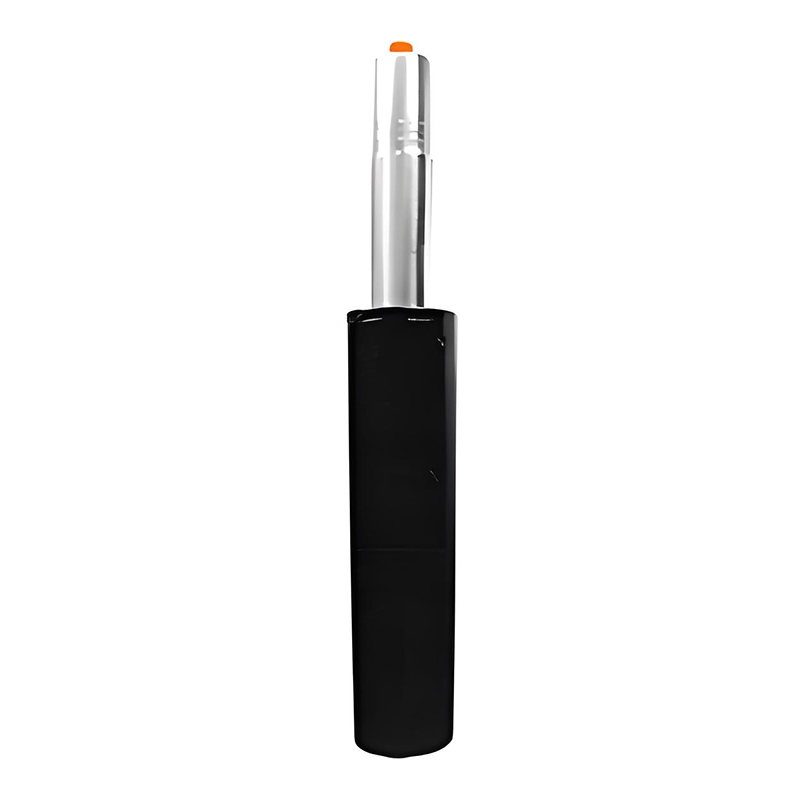
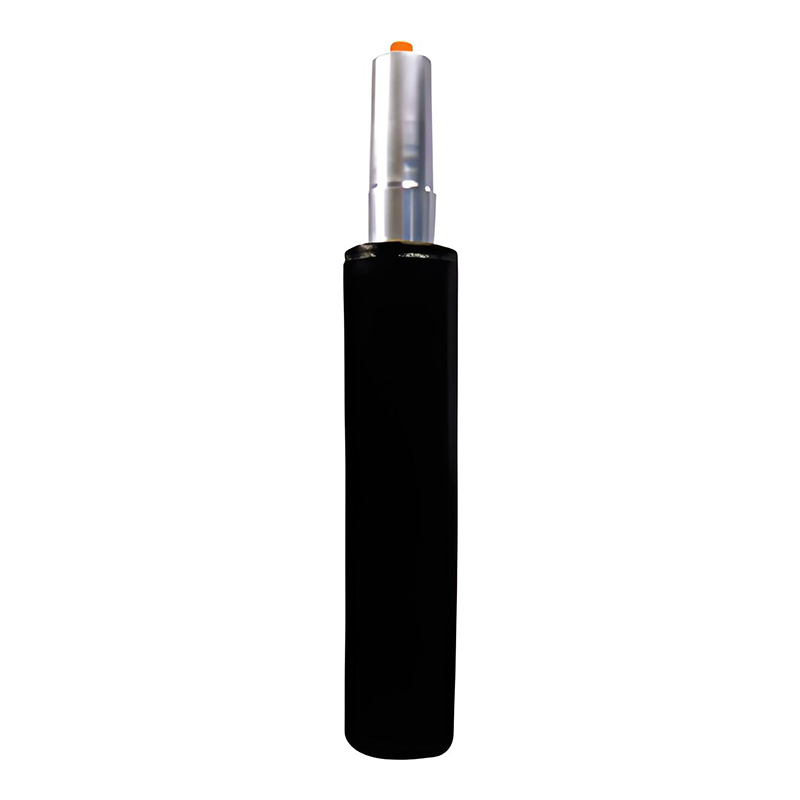
The gas cylinder, or pneumatic lift, is a critical component in office and desk chairs. It contains pressurized gas that enables smooth height adjustment through a lever mechanism. When functioning properly, the gas cylinder allows users to adjust chair height easily to maintain ergonomic alignment with desks or workstations. A failing cylinder may result in a chair that sinks unexpectedly, feels wobbly, or is impossible to adjust to a comfortable height, leading to discomfort or potential strain on the back and legs.
Common signs that indicate the need for a gas cylinder replacement include:
- Chair sinks slowly or continuously while in use
- Height adjustment lever fails to respond
- The chair feels unstable or wobbly at its maximum height
- The chair does not maintain the selected height after adjustment
Steps for Office Chair Gas Cylinder Replacement
Replacing an office chair gas cylinder is straightforward and can usually be completed with minimal tools and experience. Follow these detailed steps for a desk chair gas cylinder replacement:
- Remove the chair base: Turn the chair upside down and detach the casters or wheels if necessary to access the cylinder.
- Detach the old cylinder: Carefully remove the existing gas cylinder from the base and the seat plate, using a rubber mallet or gentle taps to release it.
- Prepare the replacement cylinder: Ensure the new gas cylinder matches the chair’s specifications, including diameter, length, and maximum weight capacity.
- Install the new cylinder: Insert the new cylinder into the chair base and seat plate, pressing firmly to ensure it is properly seated and secure.
- Reassemble the chair: Reattach the wheels or casters, then test the height adjustment mechanism to confirm smooth operation and stability.
Selecting a High-Quality Replacement Cylinder
Choosing the right replacement for your office chair gas cylinder is crucial for long-term performance and safety. Consider the following factors:
- Weight capacity: Ensure the cylinder can safely support the user and any additional load.
- Compatibility: Verify that the replacement cylinder matches the diameter and length of your chair’s original cylinder.
- Durability: Look for cylinders made from corrosion-resistant materials with reliable internal mechanisms.
- Smooth operation: The cylinder should allow fluid height adjustment without sticking or jerking.
Investing in a high-quality replacement ensures that your office or desk chair remains comfortable, functional, and safe for years to come.
Safety Tips During Replacement
Safety should always be a priority when performing a gas cylinder replacement. Always work on a stable, flat surface, wear gloves if necessary, and handle the cylinder carefully. Avoid using excessive force that could damage the chair base or the new cylinder. Proper installation ensures not only the chair’s functionality but also the safety of the user.
Conclusion
Replacing the gas cylinder on an office chair or desk chair is a practical, affordable way to restore height adjustment and prolong the life of the chair. By identifying worn cylinders, following proper replacement steps, choosing a high-quality replacement, and observing safety precautions, users can maintain ergonomic support and comfort. Regular inspection and timely replacement prevent sudden failures, ensuring that your office or desk chair remains stable, reliable, and comfortable for daily use over the long term.