 English
 русский
 Deutsch
 日本語
日本語
Content
Basic Function of a Lockable Gas Spring
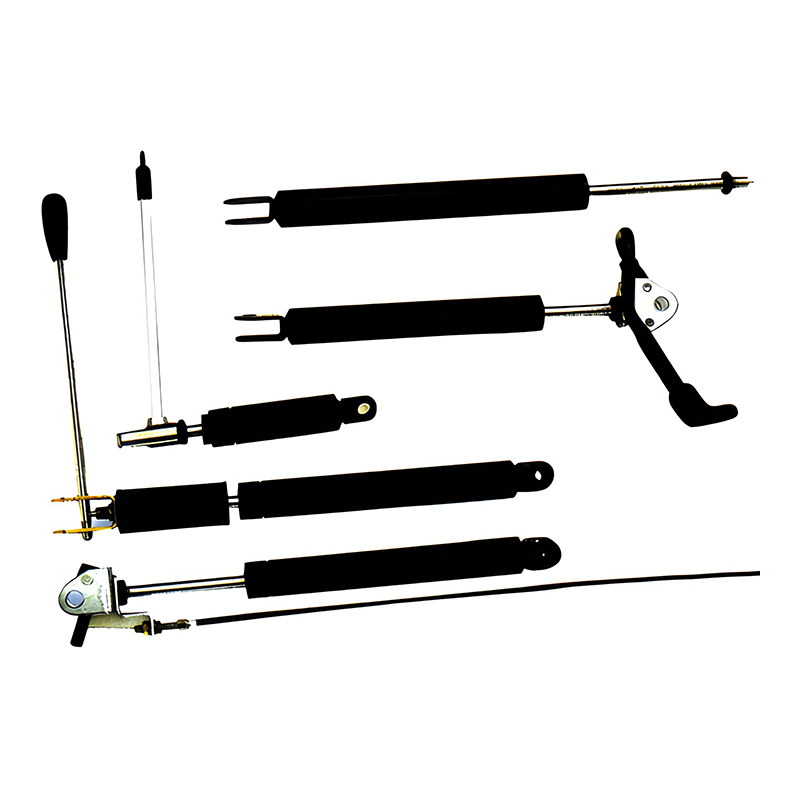
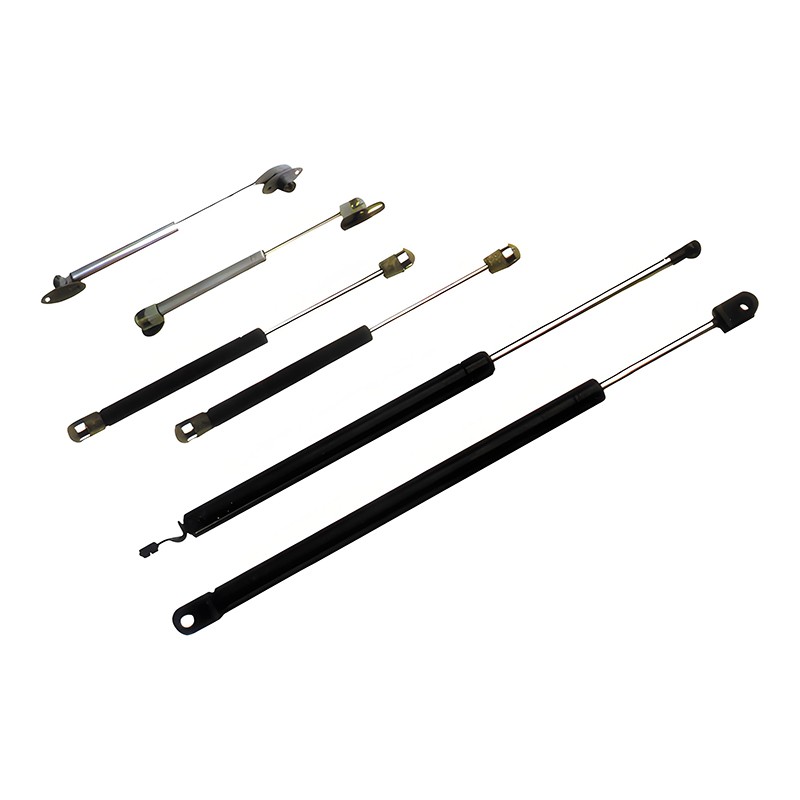
A lockable gas spring is a motion control component designed to provide adjustable support and secure positioning. Unlike standard gas springs that move freely under load, lockable gas springs can be fixed at a chosen position, allowing precise control during operation. This capability makes them suitable for applications where stability, safety, and repeatable positioning are required.
The locking mechanism is typically activated through a release system, enabling smooth movement when unlocked and firm holding when locked. This balance between flexibility and control is central to the functional value of lockable gas springs.
Internal Structure and Locking Mechanism
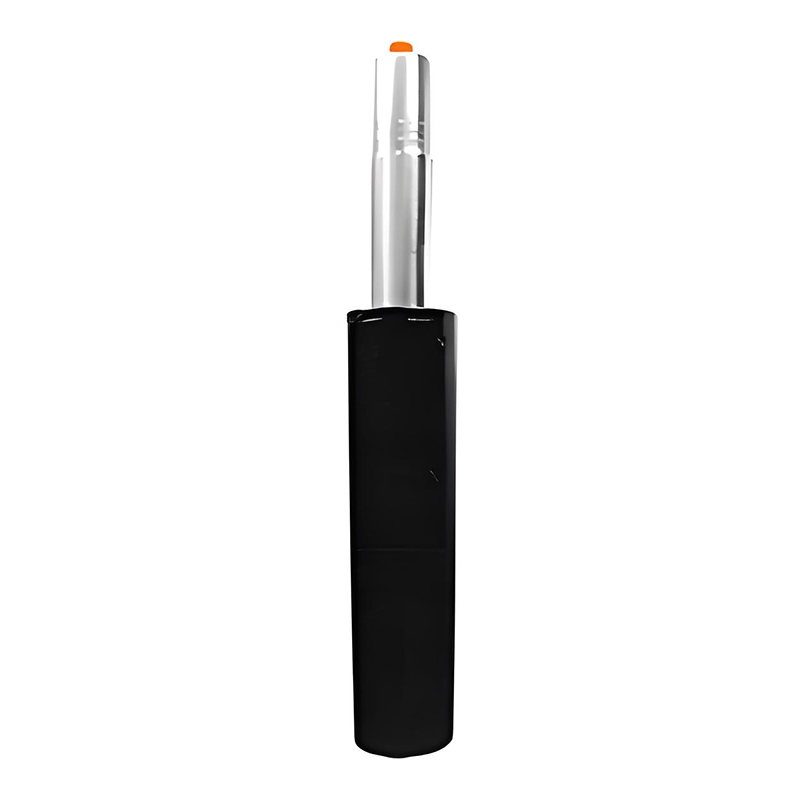
Inside a lockable gas spring, pressurized gas works together with a piston and oil chamber to manage motion. The locking feature is achieved through an internal valve or mechanical locking element that restricts piston movement when engaged. This structure allows the spring to maintain a set position under varying loads.
Key Structural Elements
- Cylinder filled with pressurized gas for force generation.
- Piston rod that transfers motion and load.
- Integrated locking valve controlling movement.
- Oil damping section for smooth operation.
Load Handling and Position Accuracy
Lockable gas springs are selected based on load capacity and holding force. Their ability to remain stable at intermediate positions depends on internal pressure balance and valve precision. In practical use, this allows users to stop motion exactly where needed, even under uneven or shifting loads.
Position accuracy is particularly important in ergonomic and mechanical systems where repeated adjustments are expected without gradual drift or sudden movement.
Common Application Areas
Lockable gas springs are widely applied across industrial, commercial, and furniture-related products. Their ability to hold position enhances usability and safety in equipment that requires controlled adjustment.
Typical Usage Scenarios
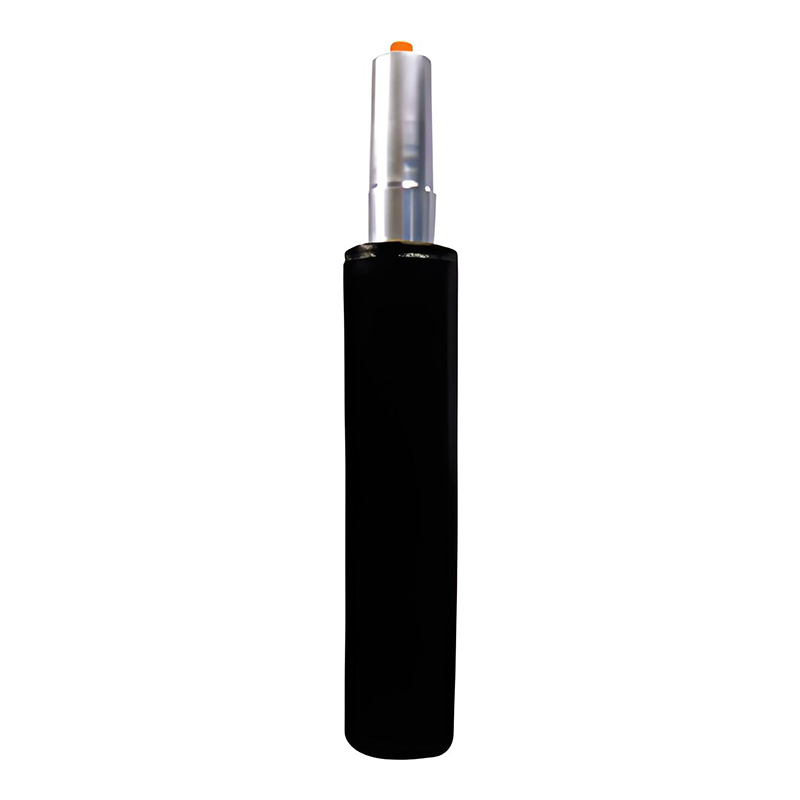
- Adjustable office furniture and ergonomic seating.
- Medical beds and diagnostic equipment.
- Industrial machine covers and access panels.
- Vehicle interiors and specialized storage systems.
Comparison with Standard Gas Springs
| Feature | Lockable Gas Spring | Standard Gas Spring |
| Position Holding | Can lock at selected positions | Moves freely under load |
| Control Level | High positioning control | Basic motion assistance |
| Typical Applications | Precision and safety-focused systems | Simple lifting or support tasks |
Installation and Operational Considerations
Proper installation directly affects the performance of a lockable gas spring. Mounting orientation, stroke length, and release mechanism alignment should match the intended application. Incorrect positioning can reduce holding strength or cause uneven wear over time.
During operation, controlled activation of the release mechanism supports smooth adjustments and prevents sudden movement. This contributes to both user comfort and equipment longevity.
Durability and Service Life Expectations
Lockable gas springs are engineered for repeated cycles under load. Material quality, seal integrity, and internal pressure stability influence long-term reliability. In environments with frequent adjustments, consistent locking performance helps maintain functional accuracy throughout the service life.
Selecting a lockable gas spring with specifications aligned to real operating conditions supports sustained performance and minimizes maintenance requirements.