 English
 русский
 Deutsch
 日本語
日本語
Content
- 1 Understanding the Role of Gas Springs in Bar Stool Design
- 2 Evaluating Weight Requirements and Load Capacity
- 3 Matching Stroke Length to Height Adjustment Range
- 4 Structural Compatibility and Installation Considerations
- 5 Durability and Usage Environment Factors
- 6 Comparison of Common Gas Spring Selection Parameters
- 7 Practical Guidelines for Gas Spring Selection
Understanding the Role of Gas Springs in Bar Stool Design
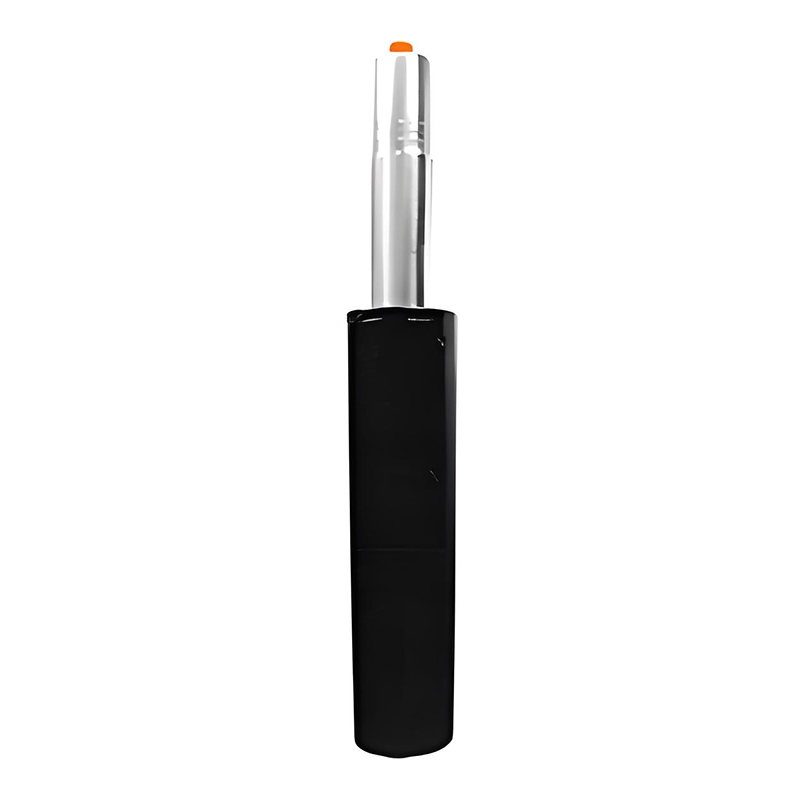
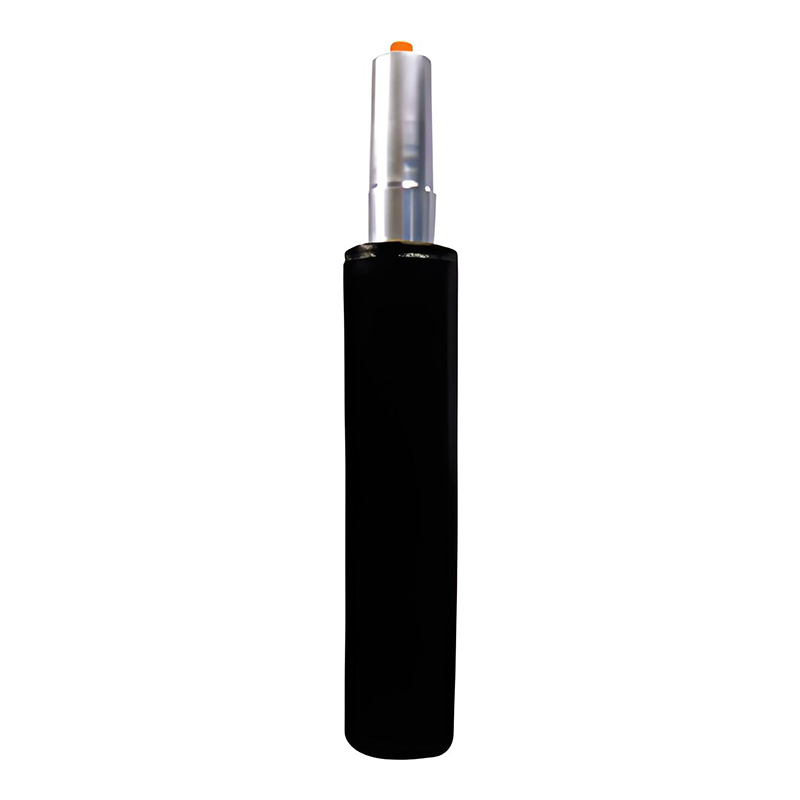
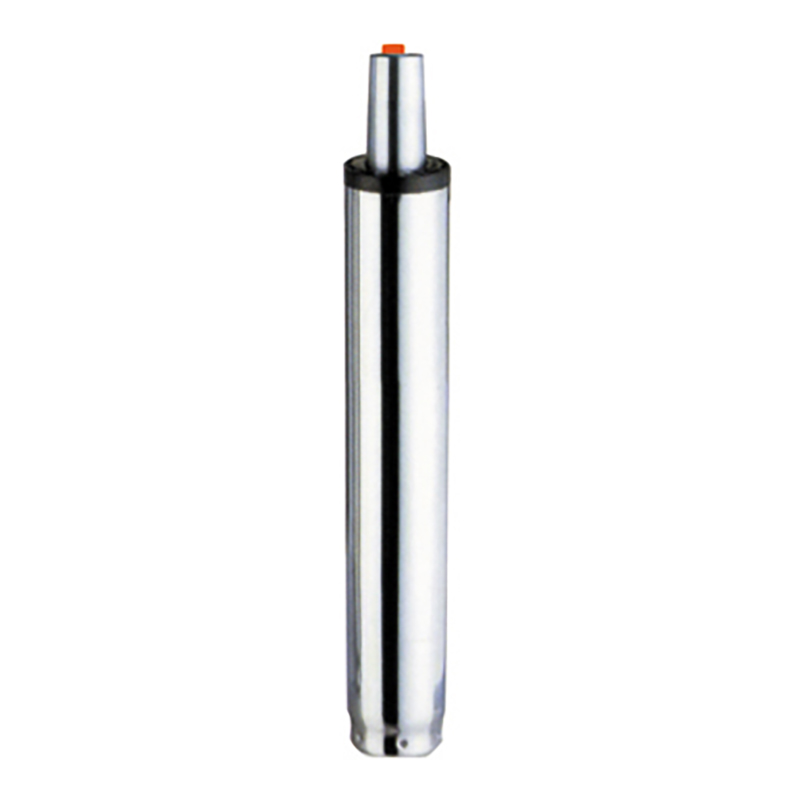
Gas springs are a key functional component in adjustable bar stools, responsible for smooth height adjustment and stable seating support. They work by using compressed gas within a sealed cylinder to provide controlled lifting and lowering movement. Selecting the correct gas spring helps maintain user comfort, balance, and long-term structural stability.
Bar stool design factors such as seat height range, base diameter, and overall structure directly influence the gas spring specifications required. A mismatch between the gas spring and stool design may result in uneven movement, reduced lifespan, or compromised safety.
Evaluating Weight Requirements and Load Capacity
Weight capacity is one of the most critical parameters when selecting gas springs for bar stools. The gas spring must support not only the static weight of the user but also dynamic loads caused by sitting, shifting, and height adjustment. Accurate load matching helps prevent sudden sinking or insufficient lifting force.
Manufacturers typically specify gas spring force ratings based on ideal operating conditions. When applied to bar stools, additional safety margins are necessary to accommodate varied user weights and repeated daily use in commercial or residential settings.
Matching Stroke Length to Height Adjustment Range
Relationship Between Stroke and Seat Travel
Stroke length determines how far the gas spring can extend and retract, directly affecting the adjustable height range of the bar stool. Proper stroke selection ensures smooth transitions between minimum and maximum seat heights without mechanical restriction.
If the stroke length is too short, height adjustment becomes limited. If it is too long, the stool structure may experience instability or overextension. Matching stroke length to the intended design range supports consistent performance.
Structural Compatibility and Installation Considerations
Bar stool frames and bases vary in diameter, wall thickness, and internal dimensions. Gas springs must be compatible with the internal column and mounting interfaces to ensure proper alignment and load distribution. Incorrect fit can lead to wobbling or premature wear.
- Outer diameter compatibility with the stool column
- Correct insertion depth for stable seating
- Secure interface between gas spring and base plate
Durability and Usage Environment Factors
Bar stools used in commercial environments such as restaurants or bars experience higher usage frequency and greater mechanical stress. Gas springs selected for these settings should offer consistent performance under repeated adjustment cycles and varying user loads.
Environmental factors such as humidity, temperature variation, and cleaning agents may also affect gas spring lifespan. Surface treatments and internal sealing quality influence resistance to wear and leakage over time.
Comparison of Common Gas Spring Selection Parameters
| Selection Parameter | Design Consideration | Impact on Performance |
| Force Rating | User weight and safety margin | Smooth lifting and stable seating |
| Stroke Length | Required height adjustment range | Controlled seat travel |
| Outer Diameter | Column and base compatibility | Structural stability |
| Usage Frequency | Residential or commercial use | Service life consistency |
Practical Guidelines for Gas Spring Selection
Selecting gas springs for bar stools requires balancing design intent, user weight range, and operating conditions. Reviewing both structural and functional requirements helps achieve reliable height adjustment and long-term durability.
- Confirm maximum user weight and intended usage environment
- Match stroke length to seat height adjustment needs
- Verify dimensional compatibility with stool structure
By aligning gas spring specifications with bar stool design and weight requirements, manufacturers and installers can achieve consistent performance and user satisfaction over the product lifecycle.