 English
 русский
 Deutsch
 日本語
日本語
Content
Introduction to Gas Spring Supports
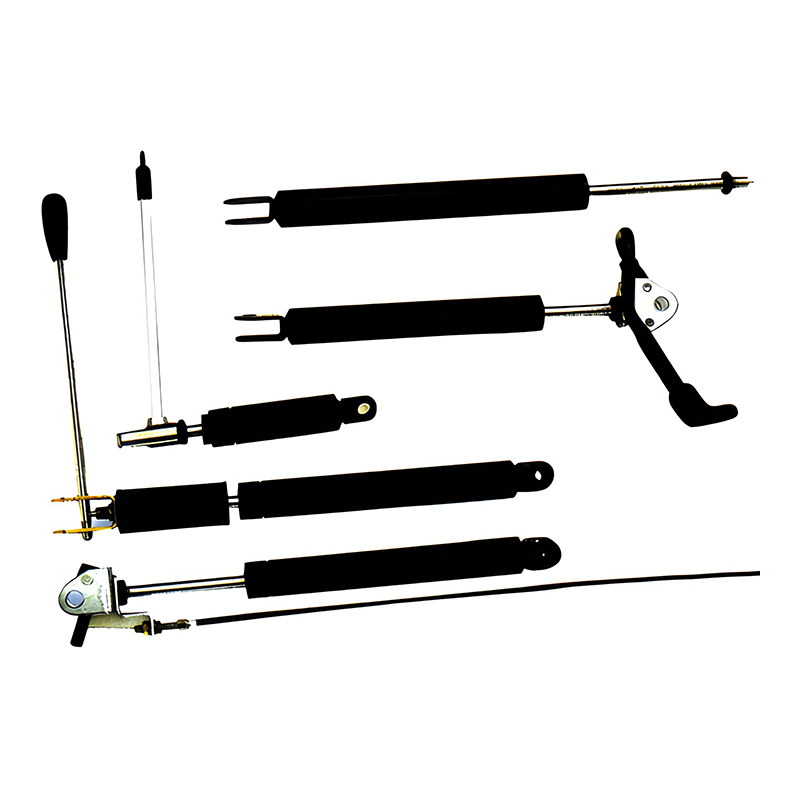
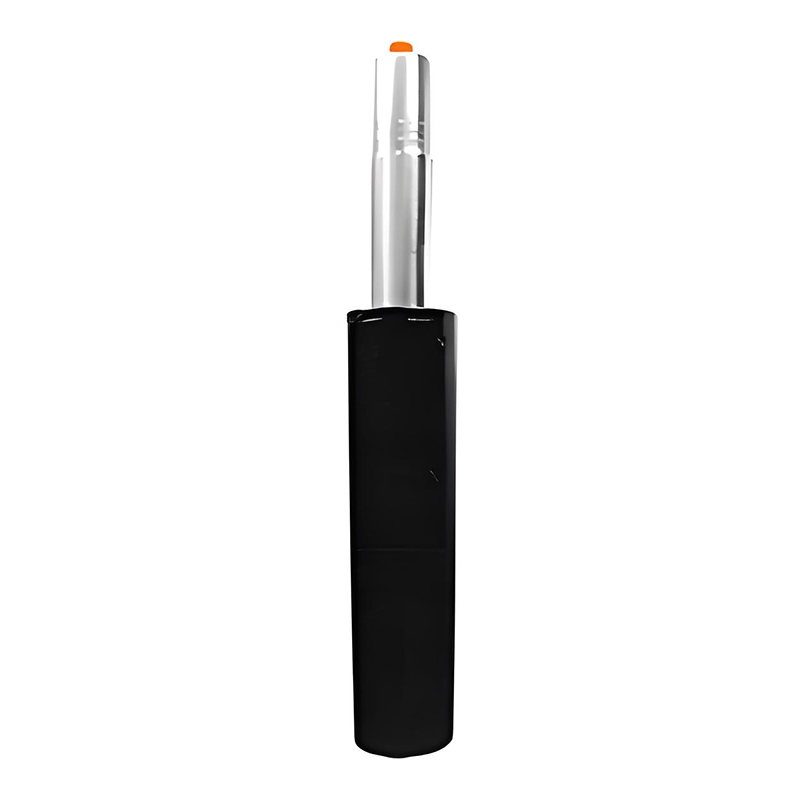
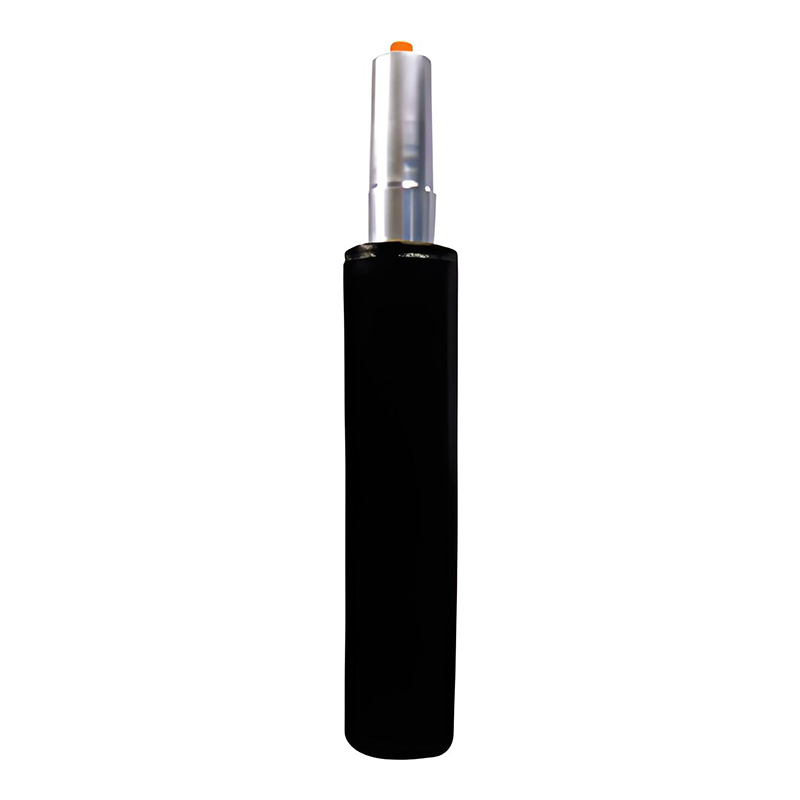
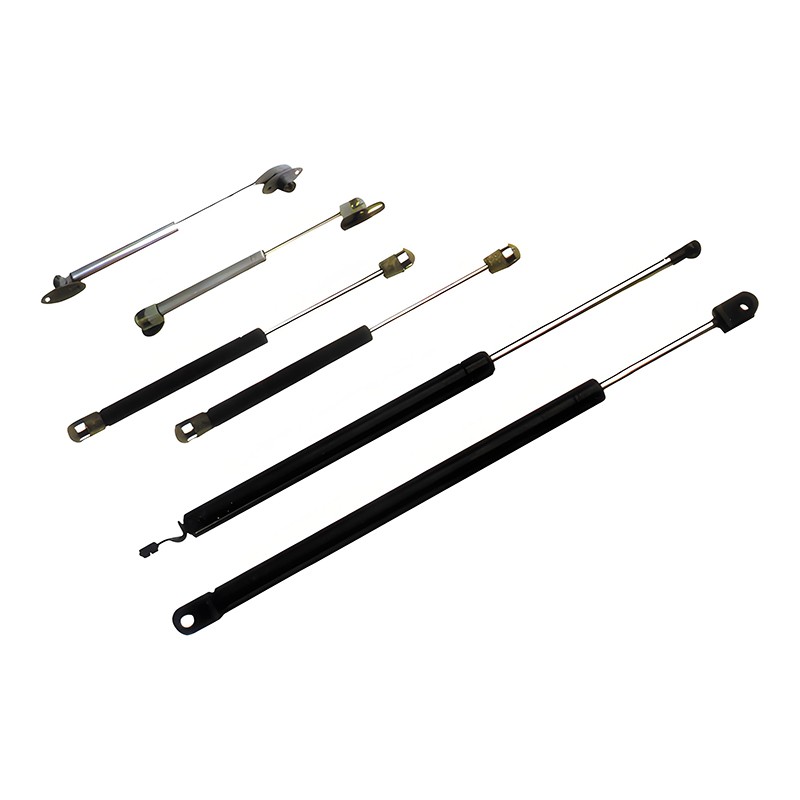
Gas spring supports are mechanical devices that use compressed gas to provide controlled motion, support, and damping for a variety of applications. They are commonly used in automotive hoods and trunks, cabinetry, and industrial machinery to improve usability, safety, and performance. By offering smooth, adjustable, and consistent force, gas spring supports enhance the functionality and reliability of many systems.
Enhanced Safety and User Comfort
One of the key benefits of gas spring supports is their ability to improve safety and user comfort. The controlled motion prevents sudden closures or slamming, reducing the risk of injury and damage to the supported component.
- Controlled Opening and Closing: Components move smoothly without abrupt movements, protecting users and equipment.
- Shock Absorption: Gas springs reduce the impact of sudden motion, extending the lifespan of both machinery and cabinets.
- Ease of Operation: Minimal effort is required to lift or lower components, improving ergonomics in automotive and furniture applications.
- Child and Pet Safety: In home furniture and cabinets, gas springs prevent accidental closures that could harm children or pets.
Versatility Across Applications
Gas spring supports are highly versatile and can be adapted for various applications across different industries. Their adjustable force and stroke lengths make them suitable for components of different weights and sizes.
- Automotive Use: Supports car hoods, trunks, tailgates, and hatchbacks, ensuring smooth opening and secure positioning.
- Cabinetry: Provides lift and support for overhead cabinets, tool chests, and storage units, improving usability and convenience.
- Industrial Machinery: Assists in the opening, positioning, and counterbalancing of heavy machine covers, lids, or panels.
- Customizable Options: Adjustable gas pressure and stroke lengths allow precise tuning for specific applications.
Durability and Longevity
Gas spring supports are designed for long-term use, providing reliable performance over thousands of cycles. Their robust construction and sealed gas chambers minimize wear and prevent degradation over time.
- High-Quality Materials: Typically constructed from corrosion-resistant steel or aluminum to withstand harsh environments.
- Consistent Performance: Sealed gas chambers maintain pressure, ensuring stable force throughout the product's lifespan.
- Reduced Maintenance: Minimal lubrication and simple installation reduce ongoing maintenance requirements.
- Extended Component Life: By controlling motion and reducing impact, gas springs help protect associated components from damage.
Energy Efficiency and Ergonomic Benefits
Using gas spring supports reduces physical effort and increases energy efficiency in daily operations. This benefit is particularly important in repetitive tasks or applications involving heavy components.
- Effortless Operation: Users can lift or lower heavy panels with minimal force.
- Reduced Fatigue: Ergonomic benefits lower strain on muscles and joints in industrial and home applications.
- Improved Productivity: Quick and easy operation allows faster access and adjustment of machinery or storage units.
- Energy Savings: Mechanically efficient operation reduces the need for additional power-assist mechanisms.
Conclusion
Gas spring supports provide numerous benefits across automotive, cabinetry, and industrial machinery applications. By offering controlled motion, enhanced safety, durability, versatility, and ergonomic advantages, they improve both the performance and longevity of supported components. Implementing gas spring supports ensures smoother operation, reduced maintenance, and increased user satisfaction, making them an essential component in modern design and engineering solutions.