 English
 русский
 Deutsch
 日本語
日本語
Content
Introduction to Gas Springs
Gas springs are mechanical devices that use compressed gas to exert force and control motion in applications ranging from automotive hoods to industrial machinery and furniture. They provide smooth lifting, lowering, and positioning of objects. While standard gas springs offer continuous motion, lockable gas springs add an extra layer of control by allowing the user to lock the spring at specific positions. Understanding the key differences is crucial for selecting the right solution for your project.
Understanding Standard Gas Springs
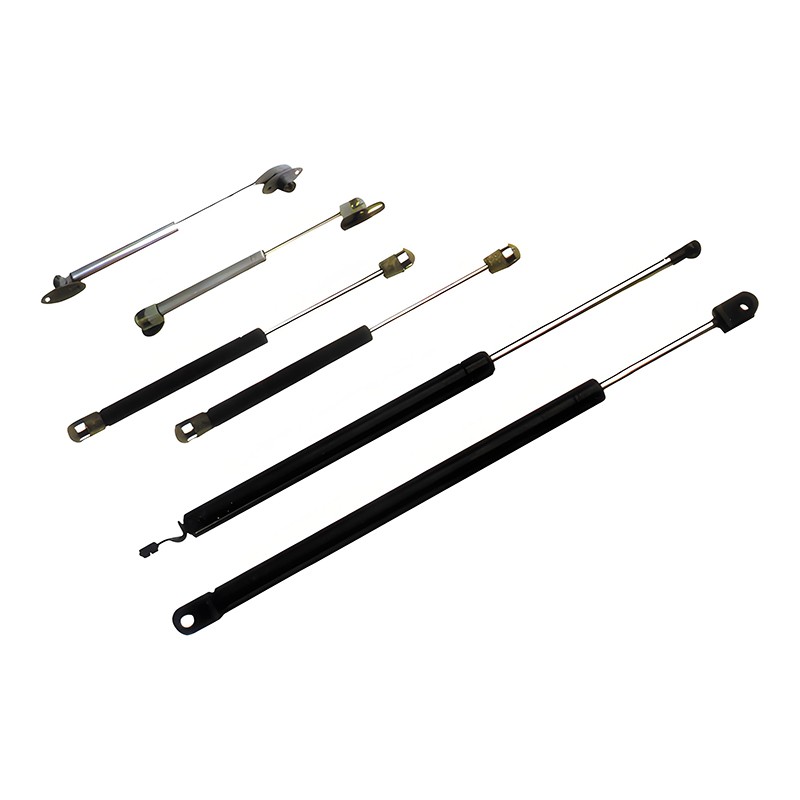
Standard gas springs are designed to provide consistent force over their stroke. They contain compressed nitrogen gas within a sealed cylinder, which acts against a piston rod to produce motion. These springs are commonly used for lifting lids, doors, hatches, and adjustable seating mechanisms. They operate smoothly, require minimal maintenance, and are relatively cost-effective.
Key Features of Standard Gas Springs
- Continuous linear motion without stopping points.
- Force can be adjusted during manufacturing for specific applications.
- Minimal maintenance required due to sealed design.
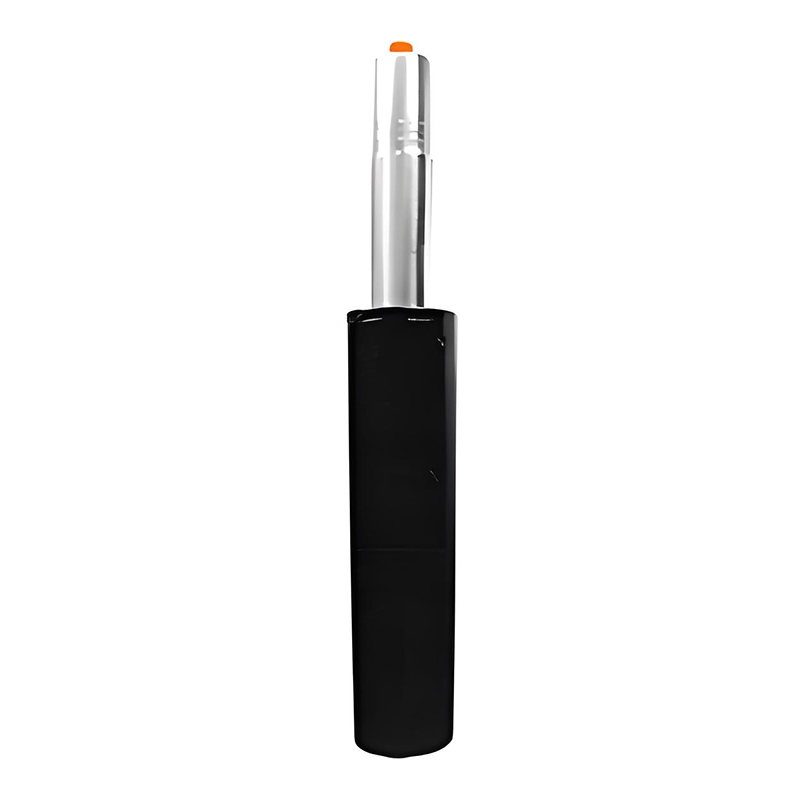
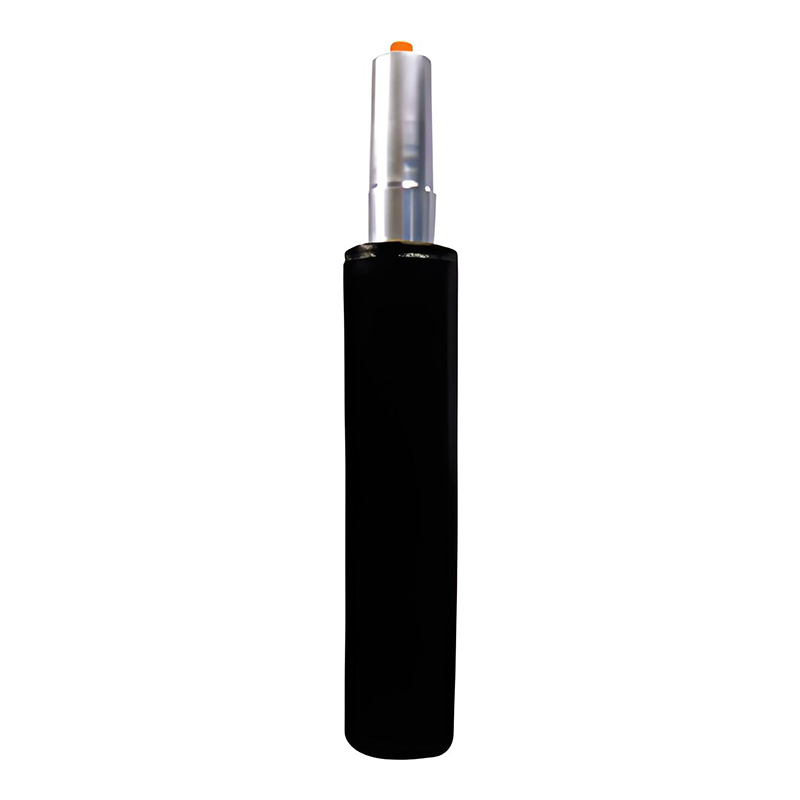
- Applications include automotive hoods, office chairs, and industrial machinery.
Introduction to Lockable Gas Springs
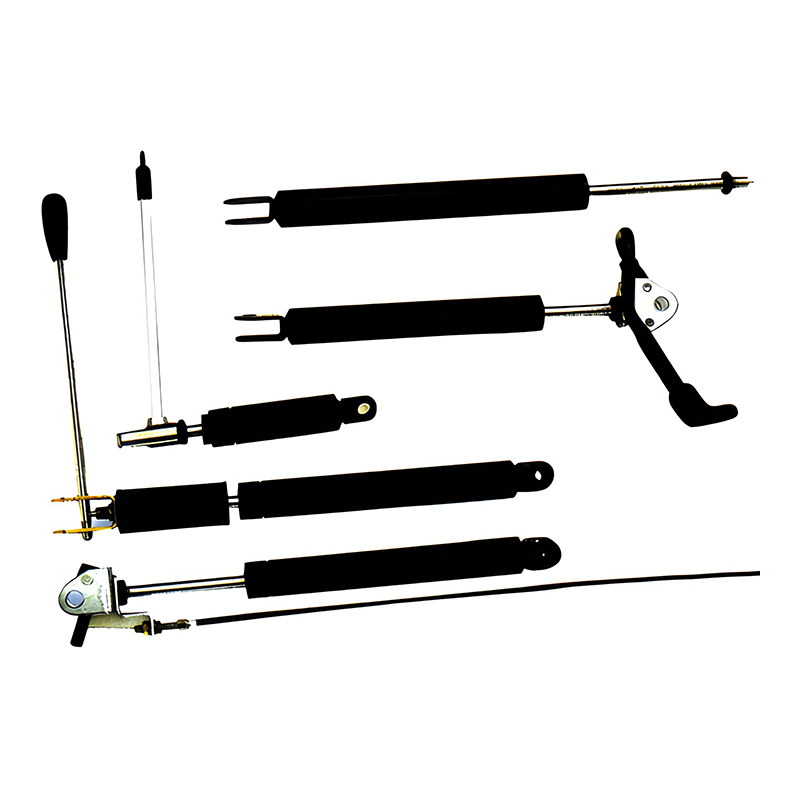
Lockable gas springs combine the features of standard gas springs with a mechanical or pneumatic locking mechanism. This feature allows the user to fix the spring at any point along its stroke, providing controlled positioning and enhanced safety. Lockable gas springs are ideal for applications requiring adjustable or fixed positions, such as adjustable furniture, medical equipment, and machinery hatches.
Key Features of Lockable Gas Springs
- Ability to lock at any desired position along the stroke.
- Provides enhanced safety by preventing unexpected movement.
- Offers controlled motion for adjustable equipment and ergonomic designs.
- Commonly used in furniture, medical devices, industrial machinery, and automotive applications.
Comparison Between Lockable and Standard Gas Springs
The choice between lockable and standard gas springs depends on application requirements, user safety, and motion control needs. The following table highlights the key differences.
| Feature | Standard Gas Spring | Lockable Gas Spring |
|---|---|---|
| Motion Control | Continuous, cannot be locked mid-stroke | Can be locked at any desired position |
| Safety | Dependent on external support or stops | Enhanced safety due to locking mechanism |
| Adjustability | Fixed force; cannot hold multiple positions | Adjustable and can hold positions along the stroke |
| Cost | Lower | Higher due to added locking mechanism |
| Applications | Automotive hoods, office chairs, industrial lids | Adjustable furniture, medical equipment, industrial machinery, automotive seating |
Factors to Consider When Choosing
Selecting between a standard and a lockable gas spring involves evaluating key factors related to performance, safety, and application needs.
Application Requirements
If your application requires adjustable positions, precise holding, or safety against sudden movement, a lockable gas spring is the preferred choice. For applications needing simple lifting or smooth motion without position holding, a standard gas spring is sufficient.
Budget and Cost Efficiency
Standard gas springs are generally more cost-effective. However, investing in a lockable gas spring may reduce risk and increase functionality, which can justify the higher cost in critical applications.
Maintenance and Longevity
Lockable gas springs may require slightly more maintenance due to the locking mechanism, but they provide greater operational flexibility. Standard gas springs are simpler and easier to maintain.
Conclusion
Understanding the differences between standard and lockable gas springs is essential for choosing the right solution for your project. Standard gas springs offer smooth, continuous motion at a lower cost, while lockable gas springs provide enhanced control, safety, and adjustability for applications that require fixed positions. Careful evaluation of your application requirements, budget, and maintenance preferences will help you select the most suitable gas spring type.