 English
 русский
 Deutsch
 日本語
日本語
Content
- 1 Controlled Force Output as the Foundation of Stable Motion
- 2 Smooth Damping Behavior During Extension and Compression
- 3 Maintaining Alignment Under Dynamic Loads
- 4 Reducing Mechanical Shock and Vibration
- 5 Consistent Performance Across Repeated Cycles
- 6 Contribution to Operator Safety and Ergonomic Control
- 7 Comparing Motion Behavior With and Without Gas Spring Rods
- 8 Integration Considerations for Optimal Stability
Controlled Force Output as the Foundation of Stable Motion
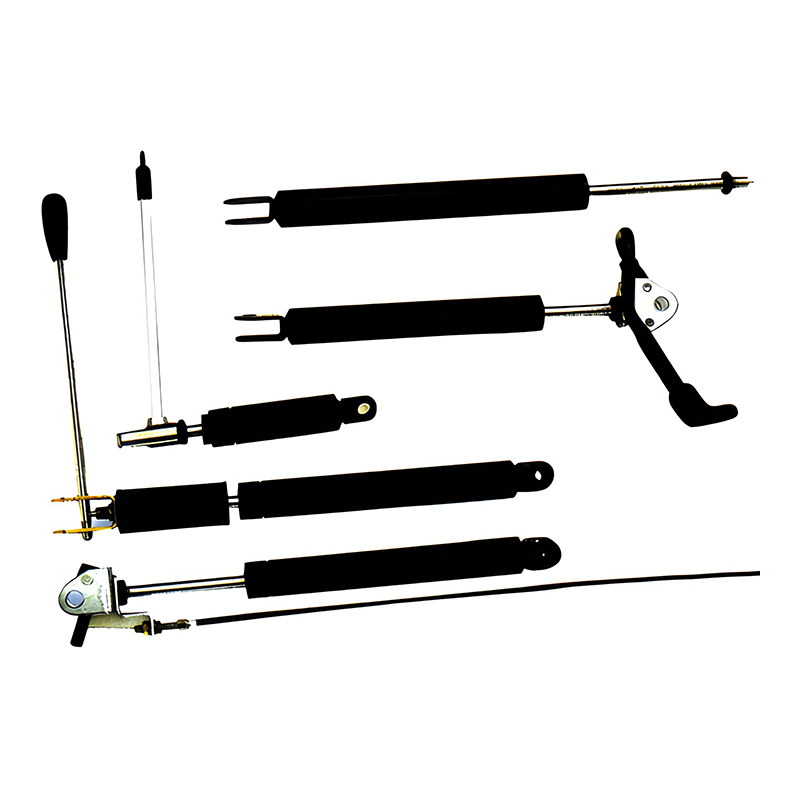
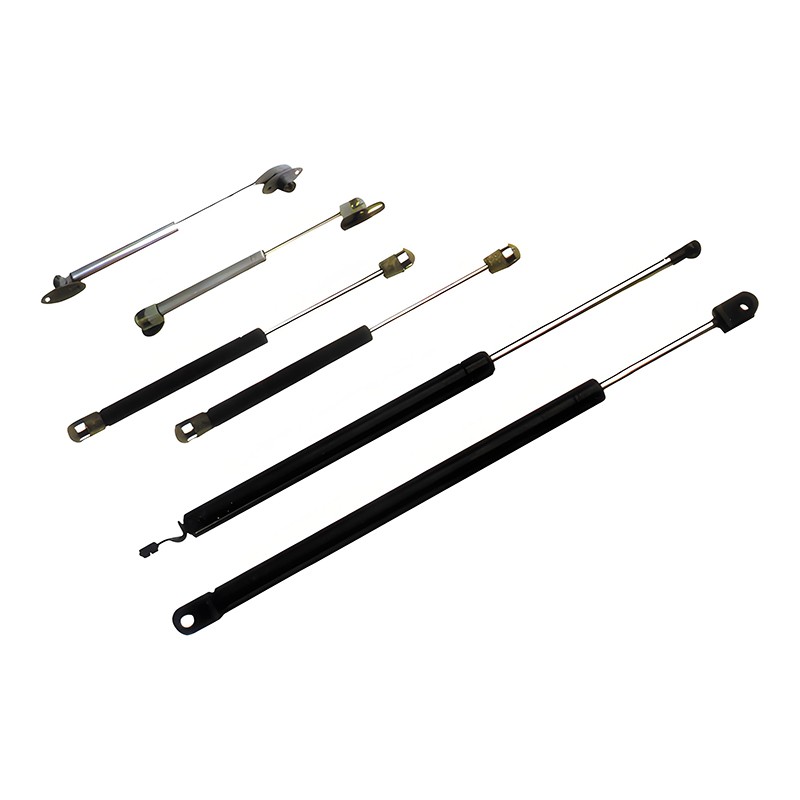
Gas spring rods improve mechanical stability primarily by providing a controlled and predictable force output throughout the stroke. Unlike conventional mechanical springs that exhibit sharp force variation, gas spring rods rely on compressed gas to deliver smoother resistance. This controlled force profile helps mechanical systems maintain balance during opening, closing, lifting, or lowering movements, reducing sudden shifts that may cause vibration or misalignment.
In practical applications such as access panels, machine covers, and adjustable platforms, this stable force output prevents abrupt motion changes. The result is a system that feels balanced, responsive, and easier to control, even when loads vary slightly during operation.
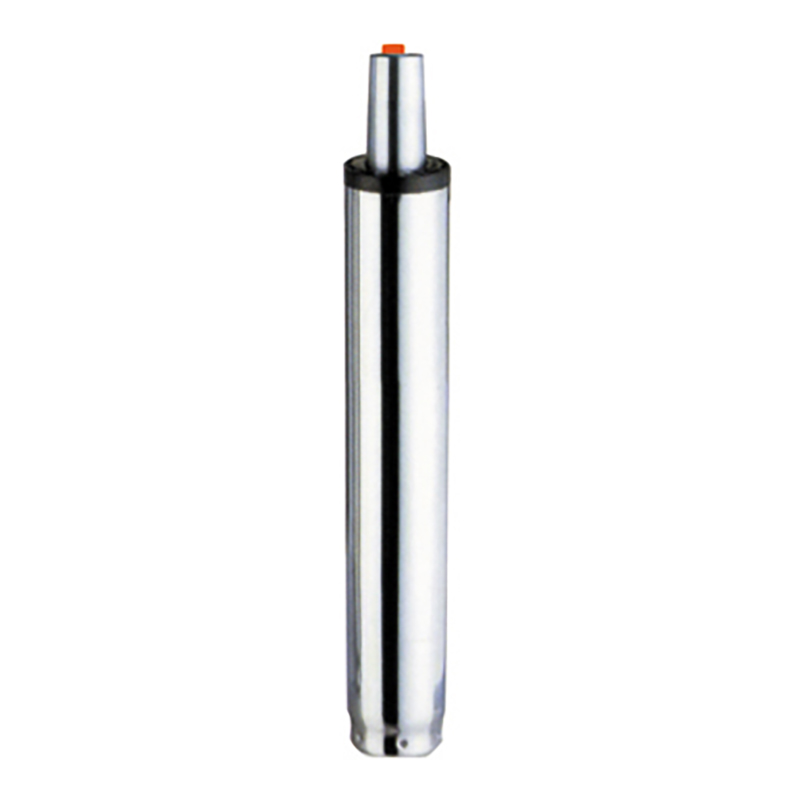
Smooth Damping Behavior During Extension and Compression
Gas spring rods incorporate internal damping characteristics that directly influence motion smoothness. During extension, the gas pressure provides a consistent push, while internal seals and oil damping reduce speed fluctuations. During compression, controlled resistance prevents rapid collapse or shock loading on connected components.
This bidirectional damping behavior is particularly important in mechanical systems where operator safety, component longevity, and motion consistency are critical. By moderating both extension and compression speeds, gas spring rods help eliminate jerky movements that can degrade system performance over time.
Key damping benefits in mechanical systems
- Reduced impact forces at end positions
- Lower stress on hinges, brackets, and mounting points
- Improved operator control during manual interaction
Maintaining Alignment Under Dynamic Loads
Mechanical systems often experience changing load conditions during movement. Gas spring rods contribute to stability by maintaining axial alignment between connected components, even when external forces fluctuate. The rigid rod structure combined with controlled internal pressure helps guide motion along a defined path.
This alignment support is especially valuable in applications such as sliding mechanisms, industrial enclosures, and adjustable equipment frames. By minimizing lateral deflection, gas spring rods help preserve consistent geometry and reduce uneven wear across moving parts.
Reducing Mechanical Shock and Vibration
Sudden starts and stops are common sources of shock and vibration in mechanical systems. Gas spring rods mitigate these effects by absorbing kinetic energy during motion transitions. The compressed gas and internal damping elements act together to smooth acceleration and deceleration phases.
By reducing shock loads, gas spring rods help protect sensitive components such as sensors, actuators, and electronic housings. This shock reduction also improves overall system comfort in applications where human interaction is frequent.
Consistent Performance Across Repeated Cycles
Stability and smooth operation must be sustained over long service periods. Gas spring rods are designed to deliver repeatable performance across thousands of operating cycles. The sealed gas system maintains pressure stability, while precision-manufactured rods and seals limit internal friction changes.
This consistency is critical in automated machinery and industrial equipment, where predictable motion timing and force levels directly affect process reliability and output quality.
Contribution to Operator Safety and Ergonomic Control
Smooth and stable motion is closely linked to operator safety. Gas spring rods assist users by partially supporting loads, reducing the physical effort required to move heavy components. This controlled assistance lowers the risk of sudden drops or uncontrolled movements.
In ergonomic designs, gas spring rods help maintain steady movement speed and predictable resistance, allowing operators to position components accurately without excessive force or strain.
Comparing Motion Behavior With and Without Gas Spring Rods
| Motion characteristic | Without gas spring rods | With gas spring rods |
| Force consistency | Highly variable | Controlled and stable |
| End-of-stroke impact | Abrupt and noisy | Soft and damped |
| System stability | Sensitive to load changes | Stable under varying loads |
Integration Considerations for Optimal Stability
To fully benefit from improved stability and smooth operation, gas spring rods must be properly selected and installed. Factors such as force rating, stroke length, mounting orientation, and end fittings all influence performance. Correct alignment and mounting geometry allow the gas spring rod to operate within its designed parameters.
When integrated thoughtfully, gas spring rods become a critical functional element that enhances motion quality, protects mechanical structures, and supports reliable long-term operation across a wide range of mechanical systems.