 English
 русский
 Deutsch
 日本語
日本語
Content
Understanding the Lockable Gas Spring Mechanism
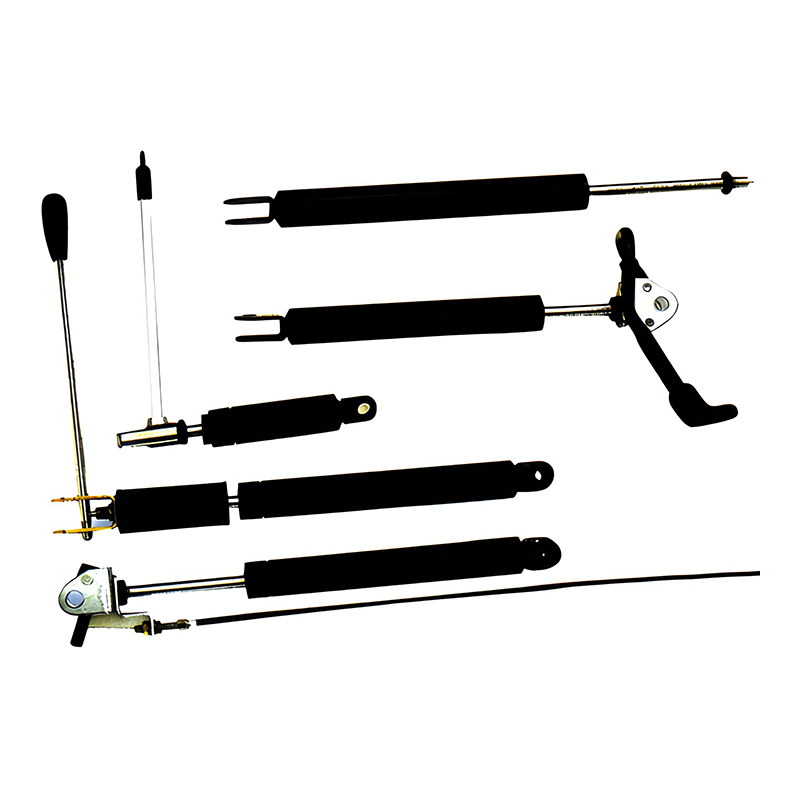
A lockable gas spring represents a sophisticated evolution in hydraulic support technology, combining compressed nitrogen gas with precision-engineered locking mechanisms to deliver controlled motion and secure positioning. Unlike conventional springs that merely provide resistance, these advanced components utilize an internal oil and gas dual-lock system that enables users to stop the piston rod at any position within its stroke range, maintaining that position rigidly until deliberately released.
The core mechanism operates through a sealed piston structure containing pressurized gas—typically nitrogen at 150-200 psi—along with specialized hydraulic oil for lubrication and damping. When the release trigger is activated, the internal valve opens, allowing gas to flow freely and permitting smooth adjustment. Upon release, the valve closes instantly, locking the piston rod in place with remarkable precision . This technology proves particularly valuable in medical environments where patient safety depends on reliable positioning, as well as in ergonomic office furniture requiring frequent adjustments.
Critical Applications in Medical Equipment
Hospital Bed Positioning Systems
The locking gas spring for medical equipment, particularly hospital beds, serves as an essential component for patient care and caregiver efficiency. These gas springs facilitate smooth height adjustments of the bed platform, backrest angles ranging from 0° to 70°, and leg rest positioning to prevent embolism complications. The locking mechanism ensures that once a therapeutic position is achieved—whether Trendelenburg positioning for surgical recovery or semi-Fowler's position for respiratory support—the bed remains securely fixed without risk of accidental movement.
Medical-grade lockable gas springs must withstand rigorous sterilization protocols and constant use. Manufacturers typically construct these components from 316L stainless steel to resist corrosion from cleaning agents, moisture, and medical disinfectants. The gas springs integrate seamlessly with release mechanisms, Bowden cables, and ergonomic plastic levers, creating system solutions that enable precise control over bed sections while maintaining the stability critical for patient safety.
Rehabilitation and Mobility Equipment
Beyond hospital beds, lockable gas springs enhance wheelchairs, treatment tables, and rehabilitation equipment. In wheelchairs, these components enable variable height and tilt adjustment of backrests and seat areas, making transfers easier for patients with limited mobility. Physiotherapy treatment beds utilize locking gas springs to position patients optimally for therapeutic interventions, while specialized hygiene chairs employ customized locking mechanisms that secure the seat at precise angles for bathing and personal care tasks .
Ergonomic Office Chair Integration
Backrest Angle Adjustment Mechanisms
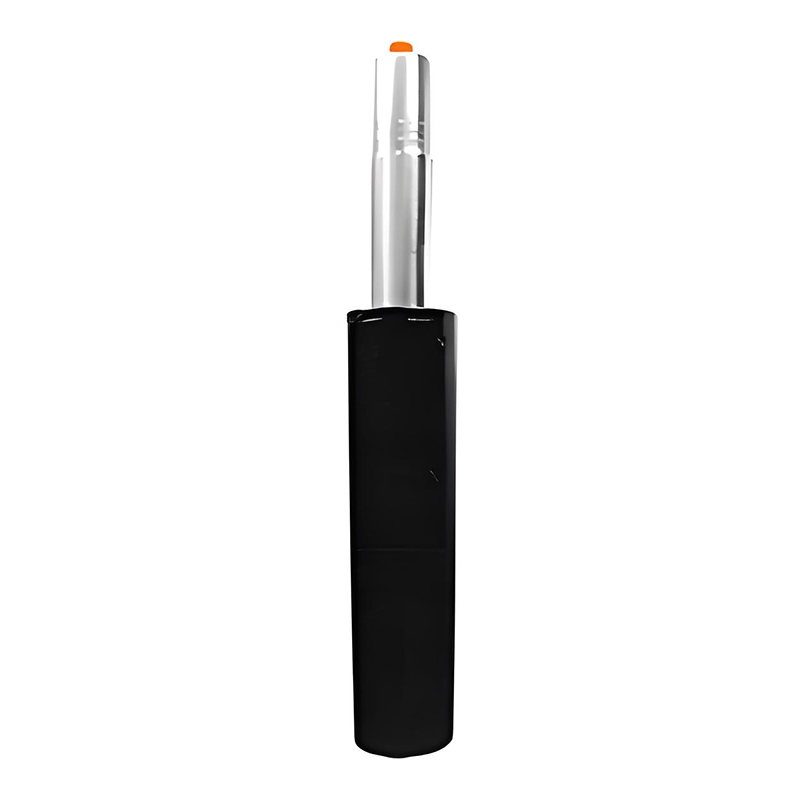
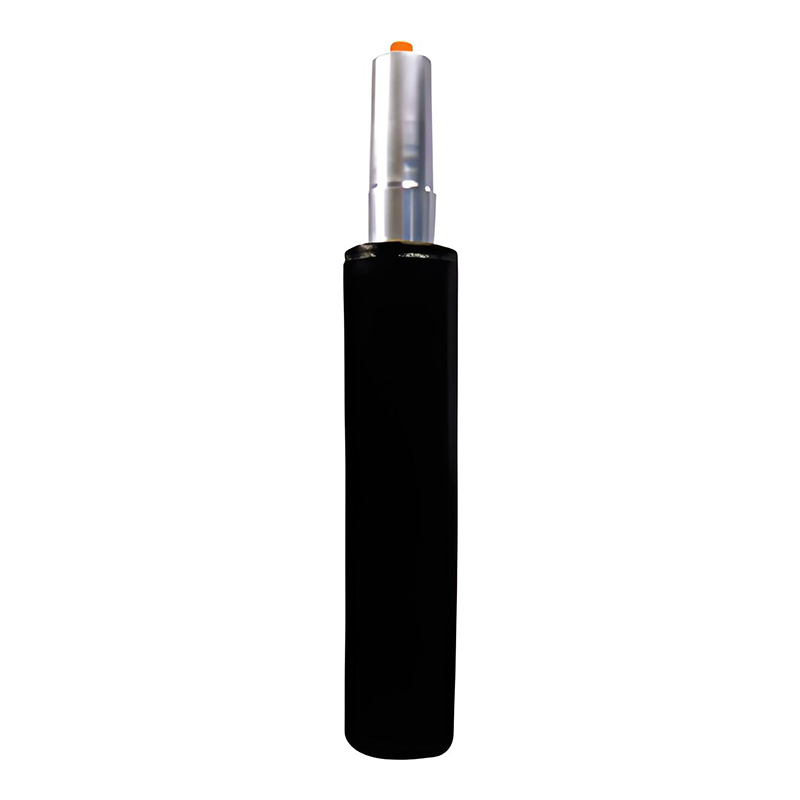
In modern office environments, the lockable gas spring transforms static seating into dynamic ergonomic workstations. When integrated into chair backrests, these mechanisms allow users to recline to their preferred angle—typically between 90° and 135°—and lock securely into position for sustained comfort during extended work sessions. The hydraulic cylinder lockable gas spring for chair backrest angle adjustment delivers smooth, cushioned movement that reduces spinal pressure while maintaining the structural integrity needed for daily use.
The versatility extends beyond simple office chairs to specialized seating including hairdressing chairs requiring precise positioning for client services, rocking chairs needing controlled motion dampening, and passenger seats demanding both comfort and durability. Each application benefits from the gas spring's ability to provide rigid locking in extension, rigid locking in compression, or spring locking at intermediate positions depending on specific ergonomic requirements.
Performance Specifications for Seating Applications
Office chair gas springs must meet demanding performance criteria to ensure longevity and user safety. Key specifications include:
- Support force range: 450N to 1200N, accommodating users from lightweight individuals to heavy-duty requirements
- Standard stroke lengths: 100mm for compact chairs, 140mm for standard office seating, 160mm for executive models
- Cylinder diameters: 38mm, 45mm, or 50mm depending on load capacity requirements
- Service life: 50,000 to 100,000 cycles under normal operating conditions
- Operating temperature range: -20°C to +60°C for consistent performance across environments
Technical Specifications and Load Capacities
The engineering behind lockable gas springs enables remarkable force generation within compact dimensions. Unlike mechanical coil springs that require significant space to generate equivalent force, gas springs deliver substantial support—ranging from 450N to 1200N—within slender cylindrical housings typically measuring 15-30mm in diameter. This high force-to-size ratio makes them ideal for applications where space constraints meet heavy load requirements.
| Specification | Standard Range | Heavy-Duty Range |
| Force Output (F1) | 450N - 800N | 800N - 1200N |
| Extended Length | 200mm - 400mm | 400mm - 700mm |
| Stroke Length | 80mm - 200mm | 200mm - 350mm |
| Cylinder Material | Carbon Steel | 316L Stainless Steel |
| Locking Type | Rigid/Elastic | Double Locking |
Installation and Maintenance Best Practices
Proper Installation Guidelines
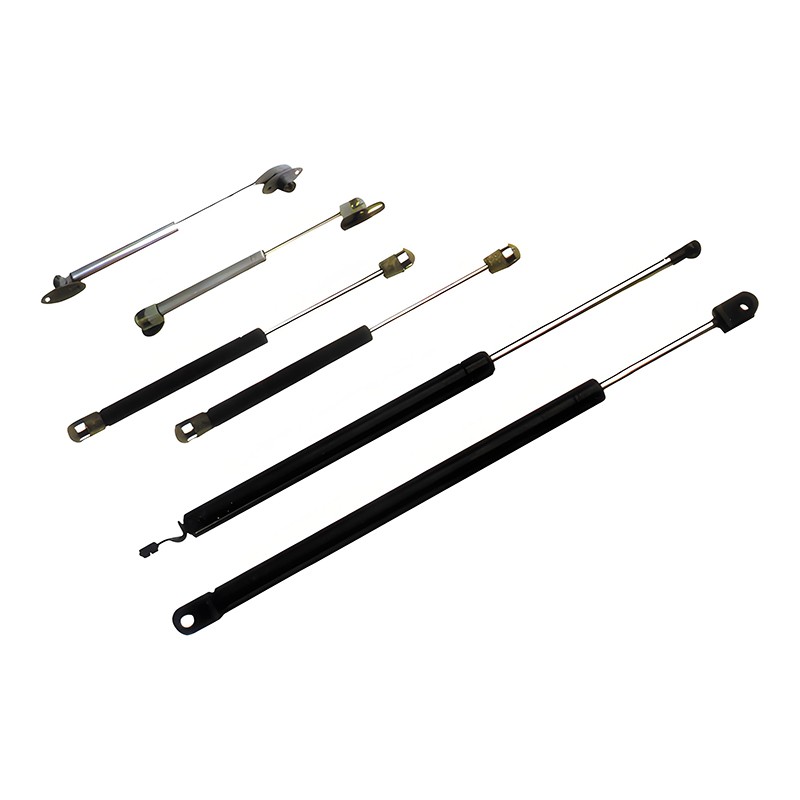
Installing lockable gas springs requires attention to orientation and mounting geometry. For optimal performance and longevity, the piston rod should face downward during installation, allowing the internal oil to lubricate the seal and guide components continuously. Mounting connections must accommodate ball joints, clevis fittings, or threaded ends depending on the specific application requirements, ensuring that the spring operates without binding or side-loading that could compromise the seal integrity.
Maintenance-Free Operation
One significant advantage of lockable gas springs lies in their maintenance-free design. The sealed piston structure contains all necessary lubrication internally, eliminating the need for periodic greasing or adjustment. However, to maximize service life, users should:
- Keep the piston rod clean and free from abrasive particles that could damage seals
- Avoid painting the piston rod, which can interfere with seal function
- Prevent exposure to temperatures exceeding 80°C that could degrade internal seals
- Store replacement units with rods facing downward in clean, dry environments
Should a lockable gas spring fail—evidenced by sinking positions, inconsistent locking, or fluid leakage—replacement represents the only viable solution. These sealed units cannot be repaired or recharged due to their high-pressure internal environment. When selecting replacements, matching the original specifications for force output, stroke length, and physical dimensions ensures continued performance and safety compliance.
Selecting the Right Lockable Gas Spring
Choosing the appropriate lockable gas spring requires careful analysis of application demands. For hospital beds and medical equipment, prioritize corrosion-resistant materials and certifications such as ISO 13485 for medical devices, CE marking for European compliance, and SGS verification for quality assurance. Office chair applications demand attention to ergonomic range, ensuring the spring provides adequate force for the target user weight while delivering smooth, quiet operation that enhances rather than disrupts the work environment.
The locking mechanism type also requires consideration: rigid locking provides absolute position stability for medical applications where patient safety is paramount, while elastic locking offers slight cushioning that may enhance comfort in consumer seating. Double-locking variants secure both extension and compression positions simultaneously, offering maximum versatility for complex adjustment systems. By aligning these technical characteristics with specific use-case requirements, manufacturers and maintenance professionals can ensure optimal performance from their lockable gas spring installations.