 English
 русский
 Deutsch
 日本語
日本語
Content
- 1 What Is a Chair Gas Cylinder and How Does It Work
- 2 Key Specifications of Office Chair Gas Cylinders
- 3 Performance Characteristics That Define a Quality Gas Cylinder
- 4 Gas Cylinder Safety: Understanding the Risks and How to Avoid Them
- 5 Application Range: Where Chair Gas Cylinders Are Used
- 6 How to Replace an Office Chair Gas Cylinder
What Is a Chair Gas Cylinder and How Does It Work
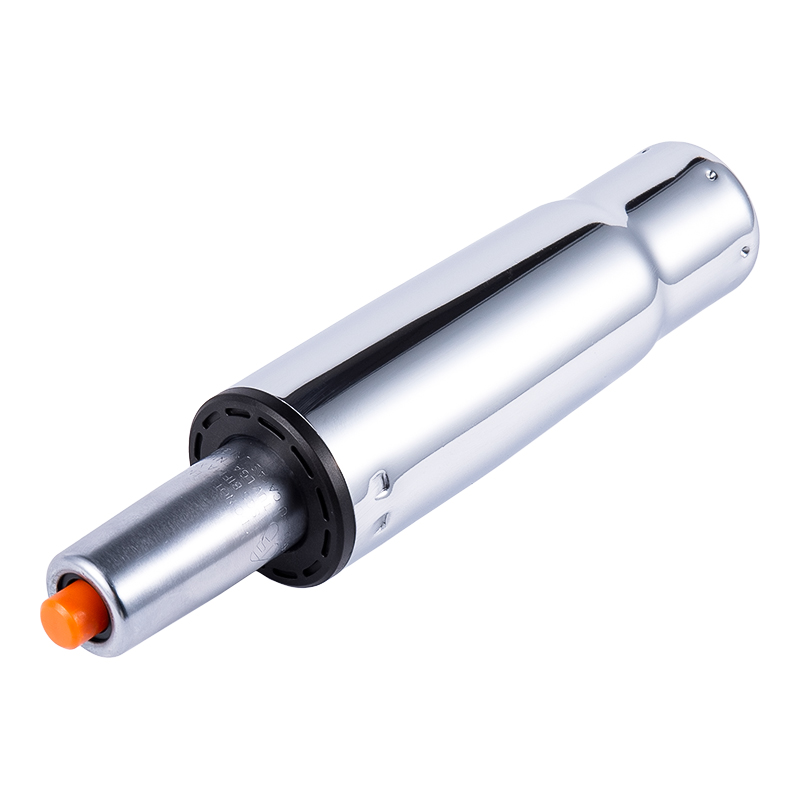
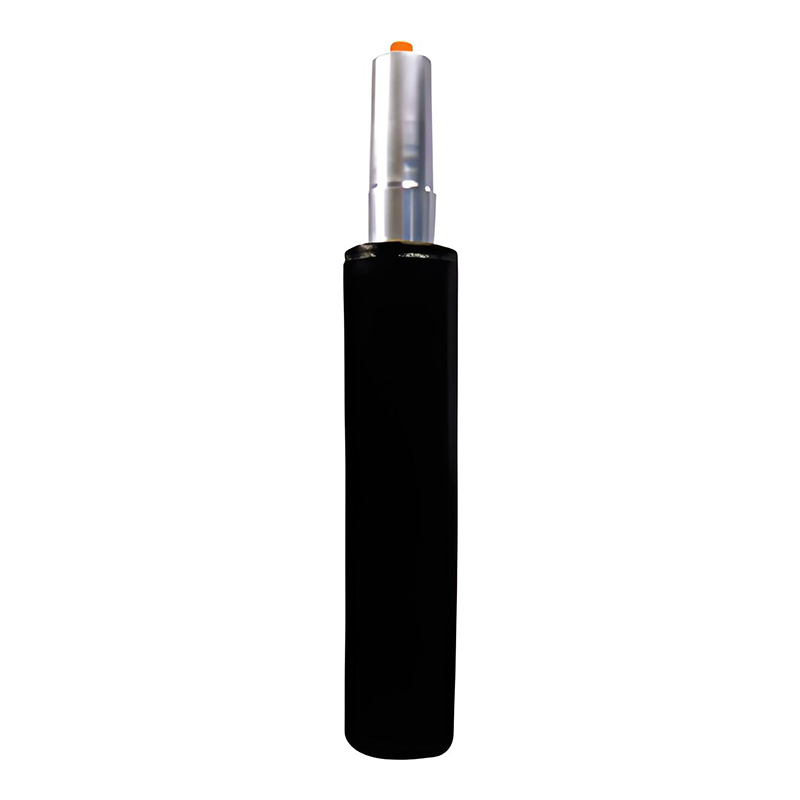
An office chair gas cylinder is a sleeve-type air spring that uses high-pressure inert gas—typically nitrogen—as its power source to enable free, lockable height adjustment. Unlike mechanical screw lifts or hydraulic systems, the gas cylinder delivers smooth, near-silent height transitions controlled entirely by the user's body weight and a simple activation lever. When the lever is pressed and the user's weight is removed, pressurized nitrogen expands within the inner tube, pushing the piston upward and raising the seat. When the lever is pressed while the user is seated, body weight compresses the nitrogen and lowers the chair. Releasing the lever at any point locks the cylinder at the desired height, holding the position securely under full load without any drift or settling.
This operating principle gives chair gas cylinders several inherent performance advantages that have made them the dominant height adjustment technology across office seating, gaming chairs, bar stools, laboratory chairs, and a wide range of industrial and medical applications. The mechanism is compact, integrating seamlessly into the five-star base and seat pan connection points of virtually all modern swivel chairs. It requires no external power source, no hydraulic fluid maintenance, and no manual mechanical adjustment—making it as practical for a home office setup as for a high-volume commercial environment where chairs are adjusted dozens of times per day by different users.
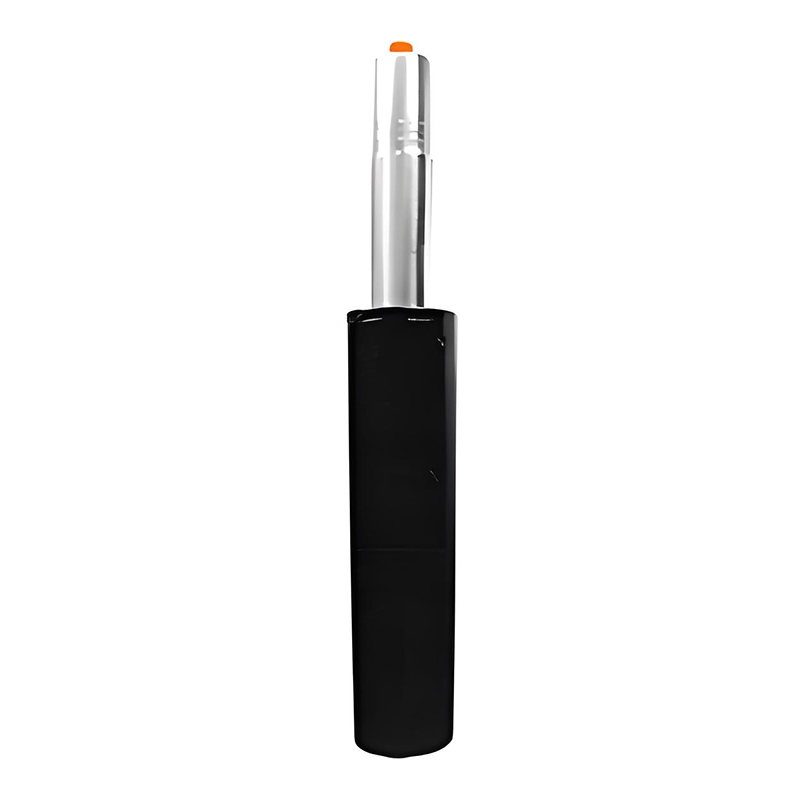
At the structural level, the office chair gas cylinder consists of two primary components: an outer tube that connects to the chair's five-star base, and an inner tube (the piston rod) that connects to the tilt mechanism and seat pan. The outer tube is manufactured from seamless steel—welded tubes are categorically unsuitable, as the weld zone creates an inhomogeneous structure that cannot reliably withstand the sustained internal pressure of a nitrogen-filled gas spring. Between these two tubes, a precisely engineered air valve controls the release and retention of nitrogen pressure, and the quality of this valve is among the most critical determinants of the cylinder's long-term performance and safety.
Key Specifications of Office Chair Gas Cylinders
Selecting the correct chair gas cylinder for a given application requires understanding and matching several interdependent specifications. Mismatching any one of these parameters—stroke, outer tube diameter, total length, or load class—can result in poor ergonomic performance, mechanical incompatibility with the chair base or tilt mechanism, or, in the worst case, structural failure under load. The following specifications define every gas cylinder and must be confirmed before purchase or sourcing.
Stroke Length
The stroke is the total vertical distance the cylinder can travel between its fully compressed and fully extended positions—in other words, the range of height adjustment available to the user. Standard strokes for office staff chairs are 100 mm and 120 mm, providing sufficient adjustment range for most seated users in a desk environment. Executive chairs and gaming chairs typically use an 80 mm stroke, reflecting their larger overall seat height. Bar stools, laboratory chairs, and drafting chairs require significantly longer strokes—160 mm, 200 mm, and 260 mm options are widely used—to accommodate the much greater height range needed for seated work at elevated surfaces.
Outer Tube Diameter and Total Length
The industry-standard outer tube diameter for universal office chair gas cylinders is 50 mm, compatible with the vast majority of five-star bases and tilt mechanisms on the market. Specialty applications—including certain leisure chairs, home office chairs, and bar stools—may require a 38 mm outer tube diameter, which must be specified explicitly when sourcing. Total cylinder length (from the top of the gas spring to the bottom of the outer tube column) determines how far the cylinder protrudes below the chair base when installed. If the cylinder is too long, it may interfere with the swivel mechanism or contact the floor; if too short, the chair will be mechanically unstable.
Load Class Classification
Chair gas cylinders are classified into load classes (Class 1 through Class 4, with Class 4 representing the highest performance tier) based on their structural specifications and load-bearing capacity. A Class 4 cylinder features an inner tube wall thickness of 2.0 mm and an outer tube wall thickness of 1.5 mm, manufactured from high-grade seamless steel with hard plastic components engineered for extended service life. Class 4 cylinders are the current market standard for ergonomic office chairs, executive chairs, and any application where sustained daily use by multiple users is anticipated. Lower-class cylinders use thinner tube walls and lower-grade materials, making them suitable only for light-duty or occasional-use applications.
Performance Characteristics That Define a Quality Gas Cylinder
The performance characteristics of a high-quality office chair gas cylinder extend well beyond its structural specifications. The following attributes collectively determine whether a cylinder delivers a genuinely superior user experience over years of daily use, or begins to degrade in performance within months of installation.
- Smooth, buffered movement: A well-engineered gas cylinder incorporates a damping system that eliminates jarring or abrupt transitions at the end of the stroke. Whether the chair is rising or descending, the movement should feel controlled and progressive, not sudden—a characteristic that directly affects user confidence and perceived chair quality.
- Low operating noise: Nitrogen gas springs operate near-silently, with no mechanical clicking, grinding, or hydraulic hissing. Any audible noise during height adjustment is typically a sign of valve degradation, insufficient nitrogen purity, or contamination of the internal sealing surfaces.
- Height lock stability: Once the activation lever is released, the cylinder should hold its locked position under full user load without any measurable sinking or drift. Cylinders that allow the chair to slowly sink after locking—a common complaint with lower-quality units—have degraded air valve seals that are allowing nitrogen to bypass the locking mechanism.
- Large working stroke relative to compressed length: An efficient gas cylinder design maximizes the stroke-to-compressed-length ratio, providing a wide height adjustment range without requiring an excessively long cylinder that would compromise the chair's proportions or structural stability.
- Load capacity: A quality chair gas cylinder must safely support a minimum of 200 kg (approximately 450 lbs) as a structural requirement, with the load distributed between the seat pan connection and the five-star base. This capacity requirement applies under both static loading (seated weight) and dynamic loading (users sitting down forcefully or shifting position rapidly).
Gas Cylinder Safety: Understanding the Risks and How to Avoid Them
The safety record of nitrogen-filled office chair gas cylinders is excellent when the product is manufactured to appropriate standards and used within its design parameters. Nitrogen is a chemically inert gas that does not react with the cylinder's internal components, does not degrade over time, and does not present a combustion risk. At the concentration levels used in chair gas cylinders—typically one to two atmospheres above ambient pressure—the nitrogen poses no danger under normal operating conditions, even in high-temperature environments such as summer offices or vehicles.
However, significant safety risks emerge when manufacturers compromise on material quality or gas specification to reduce production costs. The most serious failure modes include:
- Insufficient nitrogen purity: Some unethical manufacturers substitute compressed ambient air for pure nitrogen to reduce costs. Unlike pure nitrogen, air contains oxygen and moisture, which can corrode internal sealing surfaces, degrade the valve mechanism, and—critically—create an explosive risk if the oxygen partial pressure rises under thermal loading.
- Undersized seat pan: If the seat pan diameter is too large relative to the cylinder's upper connection point, the upper cylinder section of the piston is placed under asymmetric bending loads that can cause catastrophic failure—including the piston rod or switch bolt guide rod being ejected from the cylinder under pressure.
- Insufficient wall thickness: Thin-walled outer tubes subject to repeated frictional loading from chair base movement can develop incisions at the contact point. As the wall thins progressively through use, the structural integrity of the pressure vessel is compromised, eventually leading to sudden decompression.
- Poor sealing integrity: Inadequate sealing at the air valve or between the inner and outer tubes allows nitrogen to escape gradually, reducing the cylinder's locking force and eventually causing it to fail to hold position under load.
To mitigate these risks, sourcing chair gas cylinders exclusively from manufacturers whose products comply with recognized international safety standards is essential. Applicable standards include the United States "General Requirements for Office Chairs" and "Small Office/Home Office Furniture" specifications, as well as the European Union's comprehensive suite of office chair safety performance, test method, and performance requirement standards. Products certified to these standards undergo rigorous testing of structural integrity, load capacity, and gas seal performance that inferior products would fail.
Application Range: Where Chair Gas Cylinders Are Used
While the office chair gas cylinder is the most widely recognized application of sleeve-type gas spring technology in consumer products, the same fundamental mechanism serves a remarkably diverse range of industries and products. The table below summarizes the primary application categories and the specific cylinder specifications they typically require.
| Application | Typical Stroke | Recommended Class | Key Requirement |
| Office Staff Chairs | 100–120 mm | Class 4 | Durability, quiet operation |
| Executive / Gaming Chairs | 80 mm | Class 4 | High load capacity, smooth lock |
| Bar Stools | 160–260 mm | Class 3–4 | Extended stroke, stability |
| Laboratory / Drafting Chairs | 200–260 mm | Class 4 | Wide height range, precision lock |
| Medical / Dental Equipment | Custom | Class 4 / Custom | Precision, hygiene compliance |
| Industrial Equipment | Custom | Custom engineered | Heavy load, extreme temperature range |
How to Replace an Office Chair Gas Cylinder
When an office chair gas cylinder begins to sink under load, fails to lock at a set height, or produces unusual noise during adjustment, replacement is the correct course of action. Unlike many mechanical components, gas cylinders are not serviceable—the nitrogen pressure system is sealed at manufacture and cannot be recharged or repaired in the field. Fortunately, replacement is straightforward and requires no specialized tools beyond a rubber mallet and a pipe wrench or cylinder removal tool.
- Step 1 – Measure before ordering: Before purchasing a replacement, measure the existing cylinder's stroke, outer tube diameter, and total length. These three dimensions must match the replacement unit to ensure mechanical compatibility with the existing base and tilt mechanism.
- Step 2 – Remove the seat from the base: Turn the chair upside down on a stable surface. The inner tube of the cylinder is friction-fitted into the tilt mechanism—strike the base of the outer tube upward with a rubber mallet to separate the cylinder from the tilt mechanism. Apply firm, even blows rather than repeated light taps.
- Step 3 – Extract the cylinder from the base: With the seat assembly set aside, use a pipe wrench or dedicated cylinder removal tool to grip the outer tube and pull it free from the five-star base. The tapered friction fit can be tight, particularly on cylinders that have been in service for several years.
- Step 4 – Install the replacement cylinder: Insert the new cylinder's outer tube into the five-star base and press firmly until it seats fully. Reconnect the inner tube to the tilt mechanism by pressing the seat assembly downward onto the cylinder. Test the height adjustment function across the full stroke before returning the chair to service.
Selecting a replacement chair gas cylinder of equivalent or higher class specification than the original is always advisable—upgrading from a Class 2 or Class 3 cylinder to a Class 4 unit at replacement time is a cost-effective way to improve both the performance and the safety margin of an existing chair, extending its useful service life significantly without the cost of full chair replacement.