 English
 русский
 Deutsch
 日本語
日本語
Content
How to Raise and Lower a Gas Lift Bar Stool
Knowing how to raise or lower a gas lift bar stool is one of the first things users need to understand after assembly — yet it is one of the most commonly misunderstood aspects of adjustable seating. The mechanism is straightforward once you know how it works, and the entire adjustment process takes less than two seconds once you are familiar with it.
A gas lift bar stool uses a sealed pneumatic cylinder — commonly called a bar stool gas spring — housed inside the central column of the stool. This cylinder contains compressed gas (typically nitrogen) and a piston. The gas pressure inside the cylinder is what supports your body weight and enables smooth, controlled height adjustment. A release valve, activated by a lever or paddle located beneath the seat, controls whether the cylinder is locked at the current height or free to move.
Step-by-Step: Raising the Seat Height
To raise a gas lift bar stool, begin by standing beside the stool rather than sitting on it. Locate the height adjustment lever — this is usually a small paddle or trigger positioned just underneath the front edge of the seat. Press and hold the lever to open the release valve inside the gas spring. While holding the lever, lift the seat upward with your free hand or by gripping the sides of the seat. The internal gas pressure will assist the upward movement, making it feel light and effortless. Once you reach your desired height, release the lever. The valve closes and the cylinder locks the seat firmly in position.
Step-by-Step: Lowering the Seat Height
To lower the stool, sit on the seat first — your body weight is what compresses the gas spring downward. Once seated, press and hold the adjustment lever beneath the seat. Your weight will push the seat downward while the valve remains open. Release the lever when you reach the correct height, and the cylinder will lock instantly. If you need to lower the stool without sitting on it, apply firm downward pressure on the seat with your hand while holding the lever open. This takes slightly more effort since you are working against the internal gas pressure rather than using body weight, but it works effectively for fine-tuning height before a guest sits down.
Why the Stool Won't Hold Its Height
If your gas lift bar stool slowly sinks or cannot maintain a set height, the gas spring has lost internal pressure — this is a seal failure inside the cylinder, not a user error. A failing gas spring cannot be repressurized or repaired; it needs to be replaced. This is a straightforward maintenance task, and replacement bar stool gas springs are widely available. When selecting a replacement, matching the cylinder's outer tube length, stroke length, and connection diameter to the original specification is essential for a correct fit.
How Bar Stool Gas Springs Work: The Mechanism Explained
Bar stool gas springs are precision-engineered components, but their operating principle is simple. Inside the outer steel tube sits a sealed cylinder filled with compressed nitrogen gas. A piston rod runs through the center, separating the cylinder into two chambers. When the release valve is opened by pressing the adjustment lever, gas can flow between the two chambers, allowing the piston to move up or down. When the valve is closed, gas flow stops and the piston — and therefore the seat — is locked rigidly in place.
The gas pressure inside the cylinder is calibrated to a specific range that balances user weight against the spring force required to raise the seat unassisted. This balance is what makes height adjustment feel effortless: lowering requires body weight to overcome the pressure, while raising is assisted by it. Higher-quality gas springs incorporate a built-in damping system that slows the piston movement slightly, preventing the seat from dropping or rising too quickly and eliminating the mechanical noise that cheaper, undamped cylinders produce during adjustment.
The outer tube of a bar stool gas spring also serves a structural role — it connects to the footrest ring and base assembly, forming the central load-bearing column of the stool. This means the cylinder must be engineered not only for pneumatic performance but also for axial load resistance, as it continuously supports the seated user's full weight between adjustments. The surface finish of the outer tube is therefore both a functional and aesthetic consideration, particularly in exposed stool designs where the column is visible.
ADF-243 Series Bar Stool Gas Springs: Specifications and Design Advantages
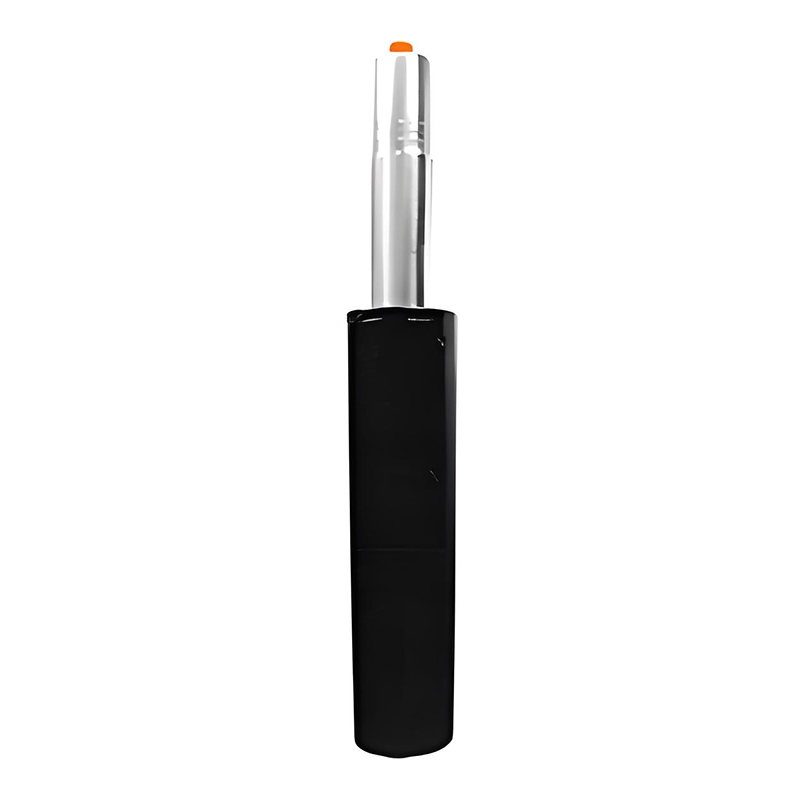
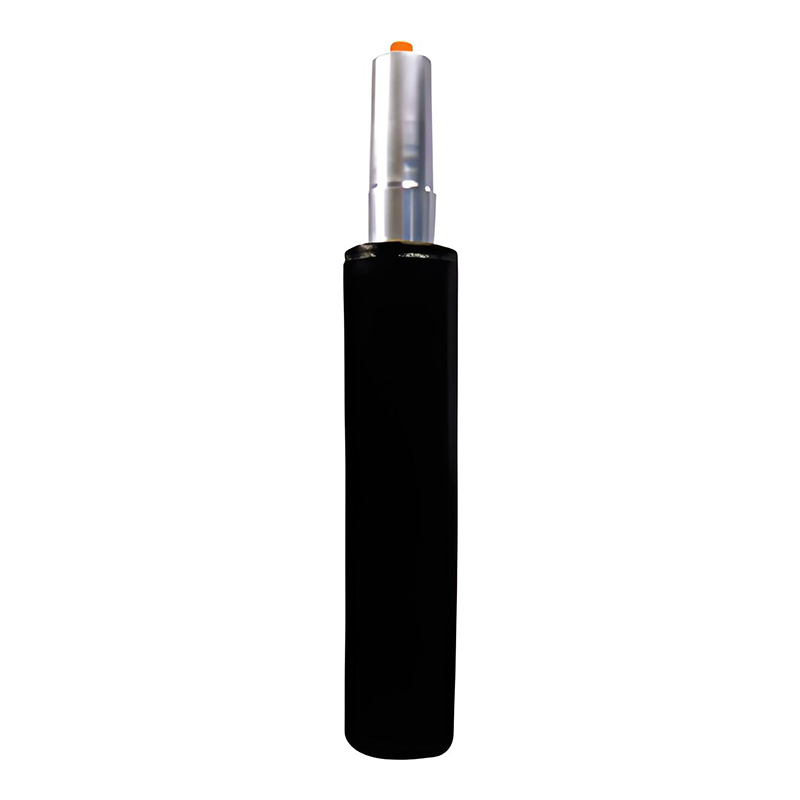
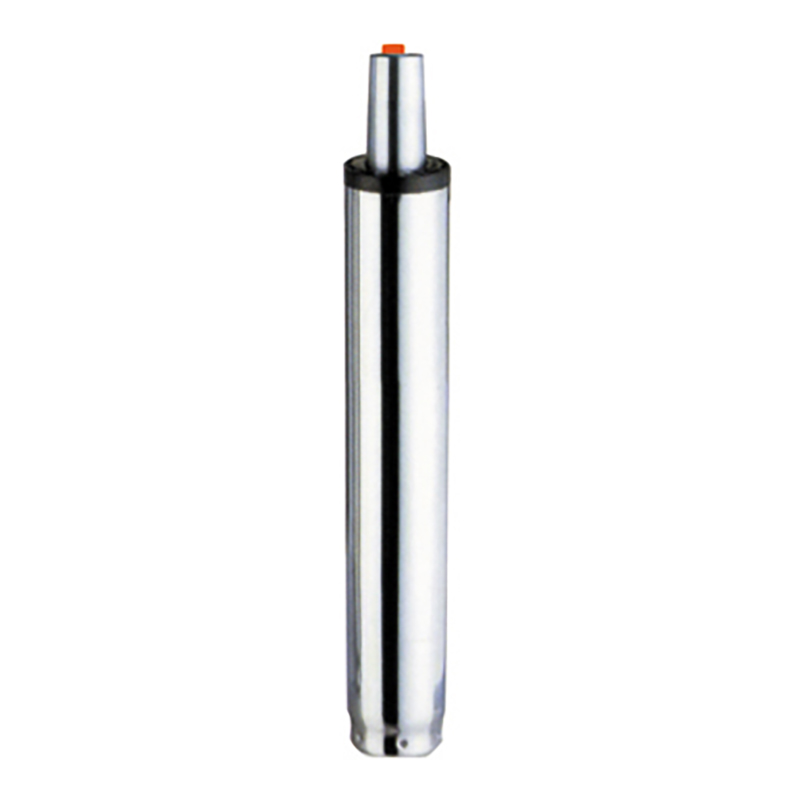
The ADF-243 series bar stool gas springs represent a well-engineered solution for commercial and residential bar stool applications where both performance and appearance matter. Unlike standard gas springs that use a utilitarian matte black finish, the ADF-243 series features a sleek, high-end silver finish that integrates cleanly into the visual design of the stool rather than being hidden behind covers or skirts. This makes it particularly suited to open-column bar stool designs used in bars, cafés, restaurants, and premium home leisure settings.
The series includes two models — S-210-10 and D-210-20 — which differ in their lower connection diameter: 10 mm for the S-210-10 and 20 mm for the D-210-20. This dual-model approach ensures compatibility with a wide range of chair base designs, as the lower connection point is one of the most variable dimensions across different stool manufacturers. Specifying the correct connection diameter before ordering is critical; an incorrect diameter will prevent the gas spring from seating correctly in the base and compromise both function and safety.
| Specification | S-210-10 | D-210-20 |
|---|---|---|
| Outer Tube Length | 210 mm | 210 mm |
| Inner Tube Length | 58 mm | 58 mm |
| Overall Length | 388 mm | 388 mm |
| Adjustment Stroke | 120 mm | 120 mm |
| Connection Diameter | 10 mm | 20 mm |
| Finish | Silver | Silver |
| Damping System | Built-in | Built-in |
The 120 mm adjustment stroke is a key performance figure. In practical terms, this means the seat can travel 120 mm between its lowest and highest positions — a range sufficient to accommodate users of significantly different heights at the same bar counter without requiring stool replacement or compromise. For reference, a 100 mm stroke is considered the functional minimum for general bar stool applications; the ADF-243's 120 mm stroke provides a meaningful additional range that improves usability in commercial settings where multiple users of varying heights share the same stools throughout the day.
The built-in damping system is one of the ADF-243 series' most practically significant features. Undamped gas springs release their stored pressure rapidly when the valve opens, causing the seat to snap upward or drop abruptly. This creates both a poor user experience and accelerated wear on the valve mechanism. The ADF-243's damping system controls the rate of piston movement, producing the smooth, progressive travel that users associate with high-quality adjustable seating. It also eliminates the metallic clicking or hissing that undamped cylinders often produce, which is particularly important in hospitality environments where ambient noise levels matter.
Choosing the Right Gas Spring for Your Bar Stool
Whether you are specifying a gas spring for a new stool design or sourcing a replacement for an existing one, several measurements need to be confirmed before selecting a component. Using incorrect specifications is the most common cause of installation failure and premature component wear.
- Outer tube length: This is the length of the main cylinder body, measured from the base connection point to the top of the outer tube. On the ADF-243, this is 210 mm. This dimension determines how much of the column length is occupied by the cylinder itself and must fit within the stool's structural design.
- Stroke length: The total travel distance from fully compressed to fully extended — 120 mm in the ADF-243 series. This directly defines the usable height adjustment range of the stool and should match or exceed the range specified by the stool designer.
- Connection diameter: The diameter of the lower connection pin or socket that attaches the gas spring to the stool base. The ADF-243 is available in 10 mm (S-210-10) and 20 mm (D-210-20). This must match the base assembly exactly — a 10 mm pin will not be secure in a 20 mm socket, and vice versa.
- Overall extended length: The full length of the assembly when the piston is fully extended — 388 mm for the ADF-243. This determines the maximum height of the stool seat above the footrest ring and needs to be checked against the stool's intended seated height range.
- Weight rating: Gas springs are rated for a maximum user weight. Always confirm the cylinder's rated capacity exceeds the intended maximum user weight, with a safety margin of at least 20% for commercial applications.
For stool manufacturers, the silver finish of the ADF-243 series also simplifies design decisions. Where standard black gas springs require a decorative cover column or shroud to maintain the stool's aesthetic, the ADF-243's polished silver exterior can be left exposed — reducing component count, assembly time, and overall product cost while simultaneously improving the visual quality of the finished stool. This makes it particularly well-suited to contemporary bar stool designs where the column is a deliberate visual element rather than something to be concealed.
Maintenance Tips to Extend Gas Spring Service Life
A quality bar stool gas spring like the ADF-243 series will deliver years of reliable service under normal use conditions, but a few straightforward maintenance practices will maximize its working life and keep the height adjustment mechanism operating smoothly.
- Keep the cylinder surface clean: Dust and grit that accumulates around the piston rod entry point can work into the seal over time, causing premature seal wear and gas leakage. Wipe the column down regularly with a dry or slightly damp cloth, particularly in commercial environments with high foot traffic and airborne particulates.
- Avoid impact loading: Dropping heavily onto the seat from a standing position creates a sharp impact load that far exceeds the rated static weight capacity. This can damage the valve mechanism and accelerate seal wear. Encourage users to lower themselves onto the seat rather than dropping onto it.
- Check the base connection periodically: The connection between the gas spring's lower pin and the base assembly should be checked every few months in commercial use. A loose connection introduces lateral movement that stresses the cylinder walls and can cause the stool to wobble — often misdiagnosed as a floor-level issue when the actual cause is wear at the base connection point.
- Replace promptly when performance degrades: A gas spring that no longer holds its set height reliably should be replaced without delay. Continued use of a failing cylinder puts additional stress on the remaining valve components and can cause the mechanism to fail completely and suddenly, creating a safety hazard.
Understanding how to raise or lower a gas lift bar stool, and knowing the mechanics behind the bar stool gas springs that make it possible, puts both users and buyers in a much stronger position — whether troubleshooting a stool that won't hold its height, specifying components for a new design, or simply getting the most out of an adjustable seating investment. The ADF-243 series delivers on all the performance criteria that matter: smooth damped travel, a generous 120 mm stroke, dual connection diameter options, and a silver finish that enhances rather than detracts from the stool's overall design quality.