 English
 русский
 Deutsch
 日本語
日本語
Office chairs are fundamental to maintaining comfort, productivity, and proper posture during long hours of work. A key component that directly influences the chair's functionality is the lift cylinder. The lift cylinder enables smooth vertical adjustment of the chair, allowing users to position themselves at an ergonomic height relative to their desk and monitor. Among the different types of lift cylinders available, gas lift and hydraulic lift cylinders are the most commonly used in office environments. Understanding their mechanics, benefits, and drawbacks is essential for anyone looking to choose the right chair, maintain existing furniture, or perform replacements effectively.
Content
Gas Lift Cylinders: Functionality and Benefits
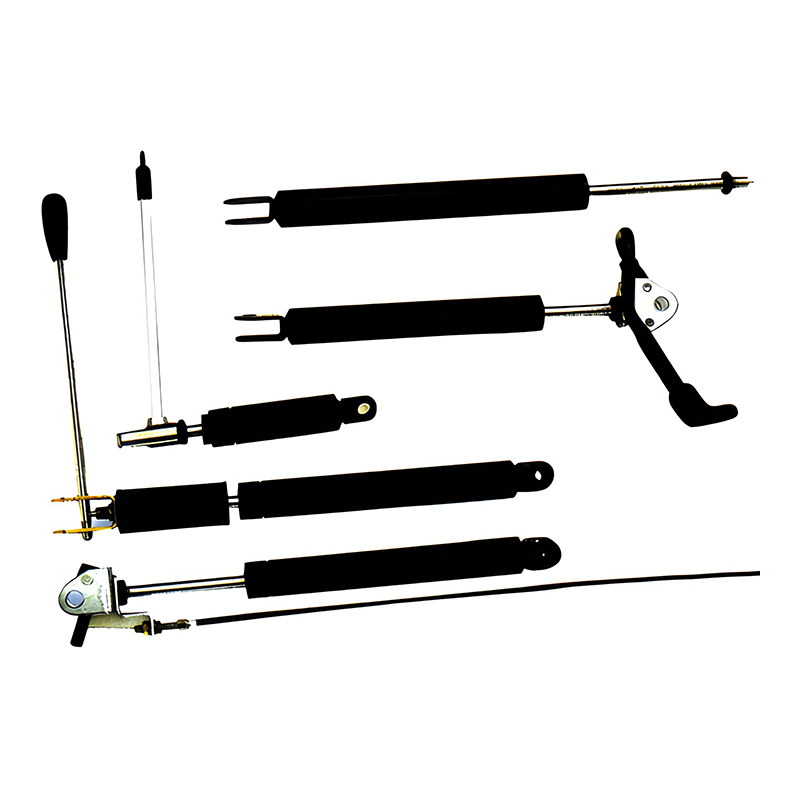
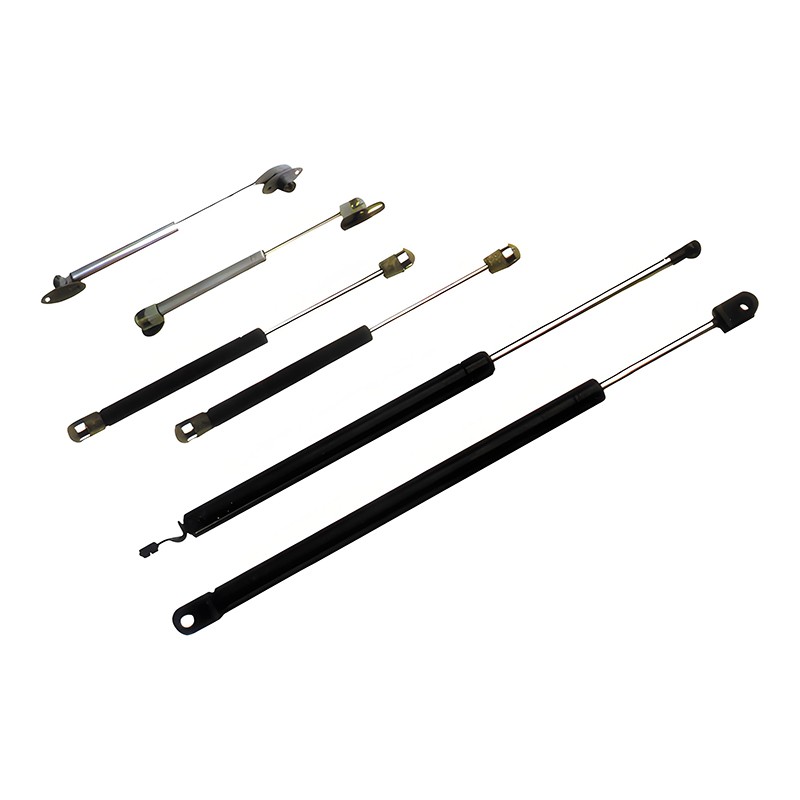
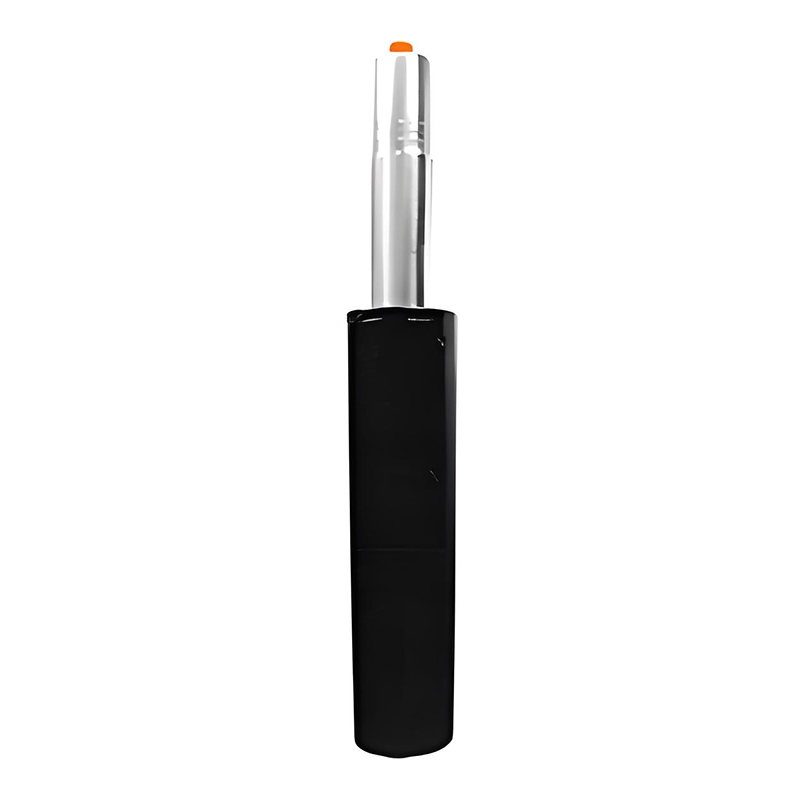
Gas lift cylinders, also called pneumatic cylinders, are designed around a simple principle: the compression and release of inert gas to control vertical movement. These cylinders are sealed, containing pressurized nitrogen or similar gases, which provide upward force when the lever under the seat is engaged. By adjusting the pressure balance, the cylinder allows the chair to rise or lower smoothly. This mechanism makes gas lift cylinders particularly popular in a wide range of office chairs, from standard task chairs to mid-level ergonomic designs.
Advantages of Gas Lift Cylinders
- Smooth and quiet operation that is ideal for office environments where noise reduction is important.
- Cost-effective, making them accessible for most office furniture applications.
- Simple design allows for easy replacement and installation without requiring specialized tools.
- Lightweight construction reduces the overall weight of the chair, making it easier to move.
- Compatibility with a wide variety of chair bases and seat types increases flexibility in office design and furniture upgrades.
Limitations of Gas Lift Cylinders
Despite their widespread use, gas lift cylinders have limitations. Over time, the gas inside may slowly leak, causing the chair to gradually sink when weight is applied. The maximum weight capacity is often lower than that of hydraulic cylinders, limiting their suitability for heavier users or chairs designed to hold multiple adjustment features. Additionally, exposure to extreme temperatures or physical damage can compromise the cylinder’s performance, and low-quality units may fail prematurely, requiring replacement sooner than expected.
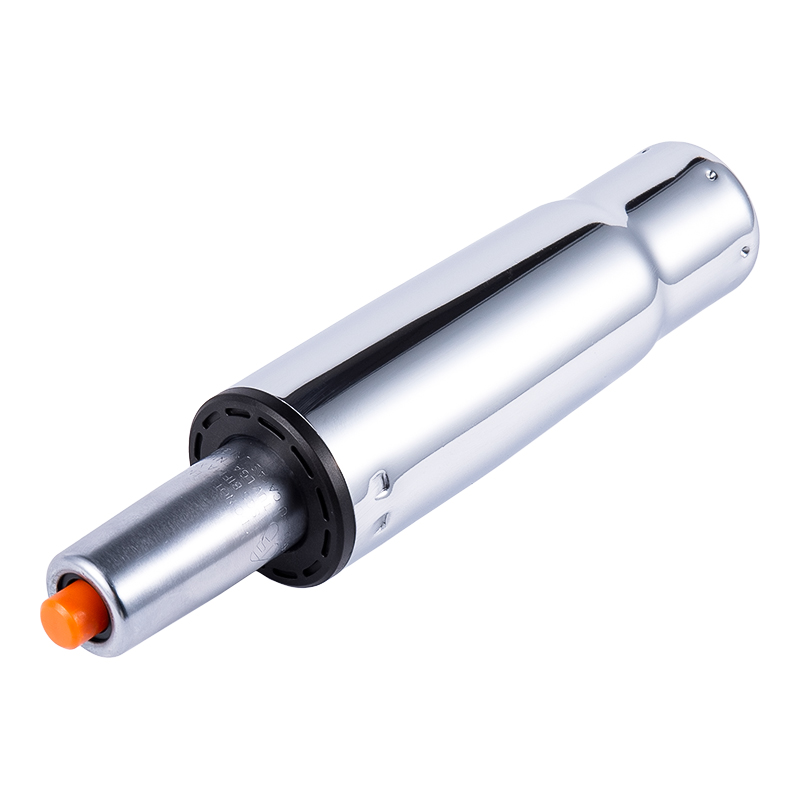
Hydraulic Lift Cylinders: Functionality and Benefits
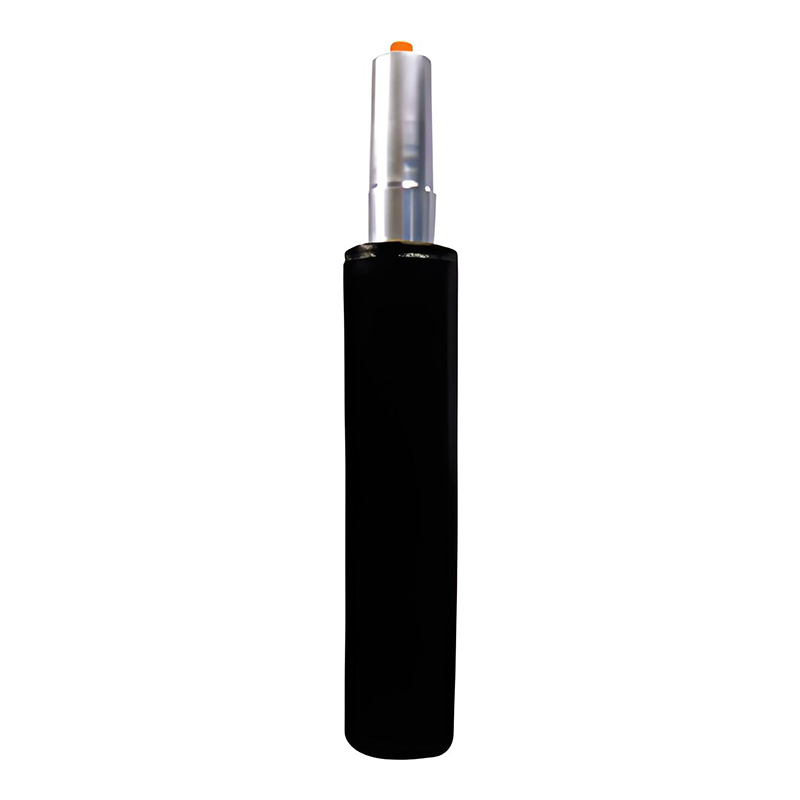
Hydraulic lift cylinders operate using pressurized fluid to control vertical movement and provide additional support for heavier loads. Unlike gas lifts, which rely on compressed gas, hydraulic cylinders employ incompressible fluid within a sealed chamber. This creates smooth, consistent motion with precise control over the height adjustment, making hydraulic cylinders ideal for executive chairs, ergonomic designs, and applications requiring high weight capacity or additional damping for comfort. The hydraulic mechanism also allows for controlled descent, preventing sudden drops and increasing user safety.
Advantages of Hydraulic Lift Cylinders
- Higher load-bearing capacity, suitable for heavier users or chairs with multiple ergonomic features.
- Smooth, controlled height adjustments with minimal sudden movement, enhancing comfort and posture support.
- Durable construction reduces the risk of height loss over time, making them suitable for long-term use in high-demand environments.
- Some hydraulic models incorporate shock absorption, which helps reduce stress on the spine and lower back during sitting and movement.
- Precise control over descent speed reduces accidental seat drops, enhancing overall safety and comfort.
Limitations of Hydraulic Lift Cylinders
Hydraulic lift cylinders are typically heavier and more expensive than gas lifts, which can increase the overall chair cost and make transportation or assembly slightly more difficult. Maintenance is more involved, as hydraulic fluid leaks can affect performance and may require professional servicing to restore functionality. While very durable, these cylinders may be overkill for basic task chairs where lower weight and simpler mechanisms are sufficient.
Comparison Table: Gas vs Hydraulic Lift Cylinders
| Feature | Gas Lift Cylinder | Hydraulic Lift Cylinder |
| Load Capacity | Medium | High |
| Smoothness | Good | Excellent |
| Durability | Moderate | High |
| Cost | Lower | Higher |
| Maintenance | Simple | Moderate |
Key Considerations for Selection
When selecting between gas and hydraulic lift cylinders, consider the user’s weight, the chair’s intended use, budget, and desired comfort level. For general office chairs, gas lift cylinders provide sufficient height adjustment, quiet operation, and affordability. For high-end ergonomic chairs or executive seating, hydraulic lift cylinders deliver greater durability, smoother adjustments, and the ability to support heavier loads. Proper selection ensures optimal posture support, user comfort, and long-term reliability.
Conclusion
Both gas and hydraulic lift cylinders play a crucial role in office chair performance. Gas lifts are cost-effective, lightweight, and easy to replace, making them suitable for most standard chairs. Hydraulic cylinders, while more expensive, offer superior load capacity, precise control, and durability for heavy-duty and ergonomic applications. Understanding the differences between these two systems enables users to make informed decisions, ensuring both comfort and long-term performance for any office seating arrangement.