 English
 русский
 Deutsch
 日本語
日本語
Content
Understanding Gas and Hydraulic Rods
Gas spring rods and hydraulic rods are commonly used in machinery, automotive systems, furniture, and industrial equipment to control motion, lifting, and damping. Both systems serve similar functions but rely on different mechanisms. Understanding their differences in operation, performance, and application is essential for selecting the right component for specific needs. This article provides a detailed comparison between gas spring rods and hydraulic rods, focusing on practical considerations and performance factors.
Mechanism and Operating Principles
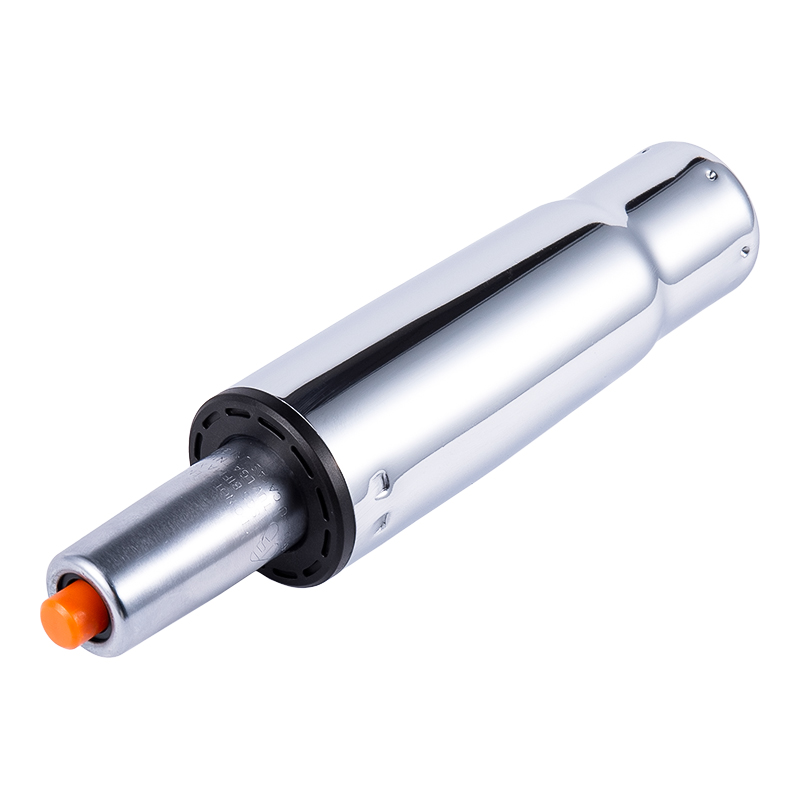
The core difference between gas spring rods and hydraulic rods lies in their operating principle. Gas spring rods use compressed gas, typically nitrogen, sealed inside a cylinder, along with a piston rod to provide controlled force and motion. When the rod is compressed or extended, the gas pressure generates a pushing or resisting force. Hydraulic rods, on the other hand, rely on incompressible fluid, such as oil, which moves through valves and chambers to create damping and motion control.
Gas Spring Rod Functionality
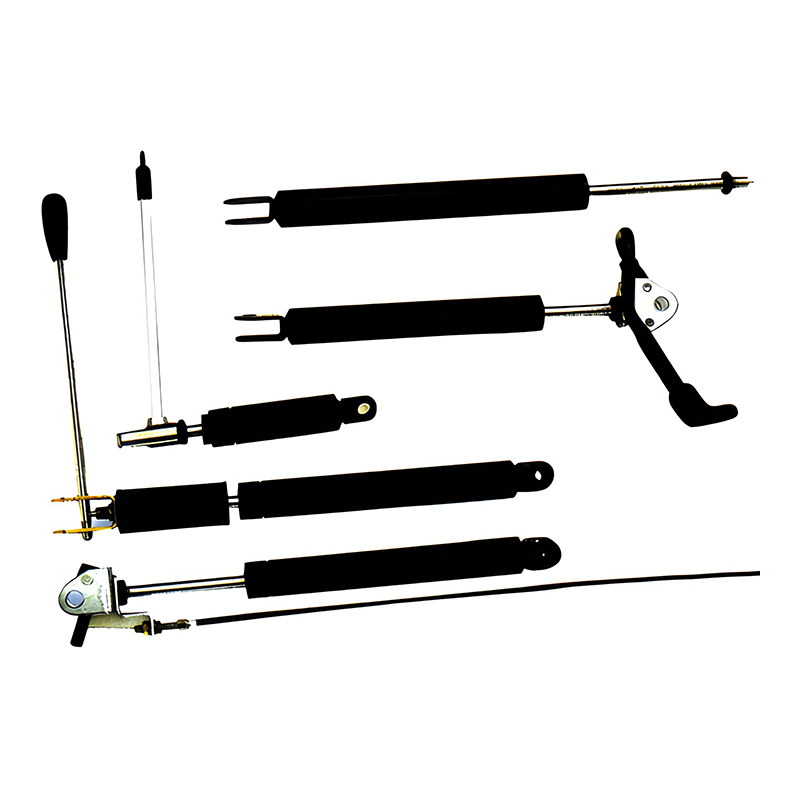
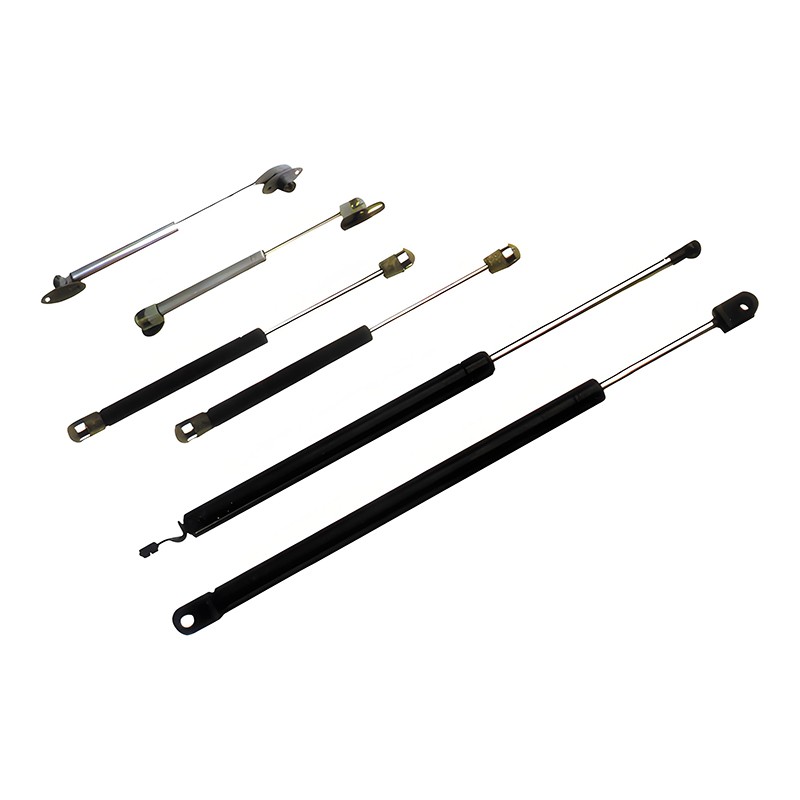
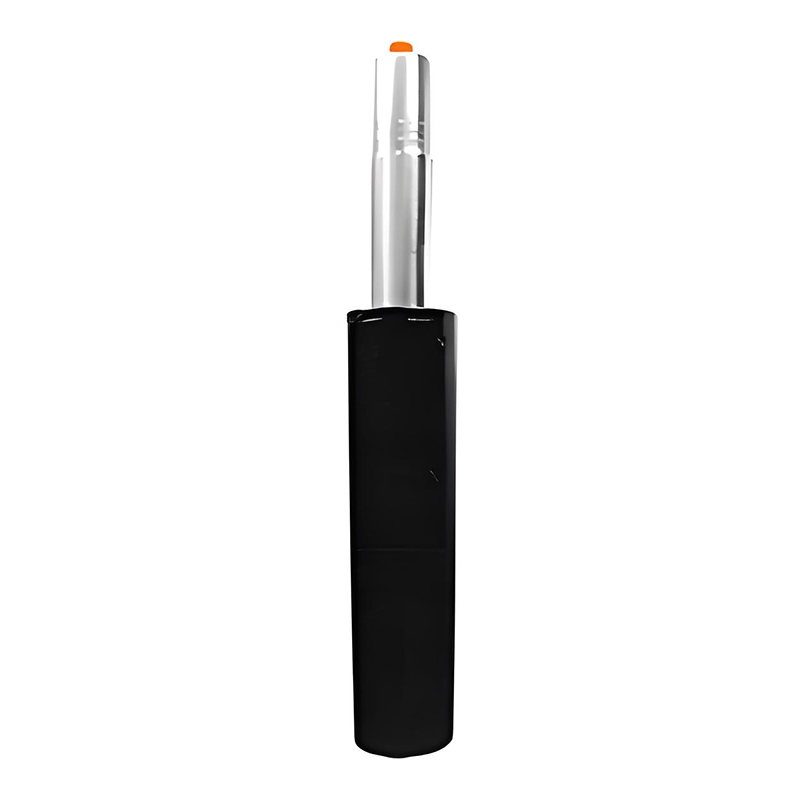
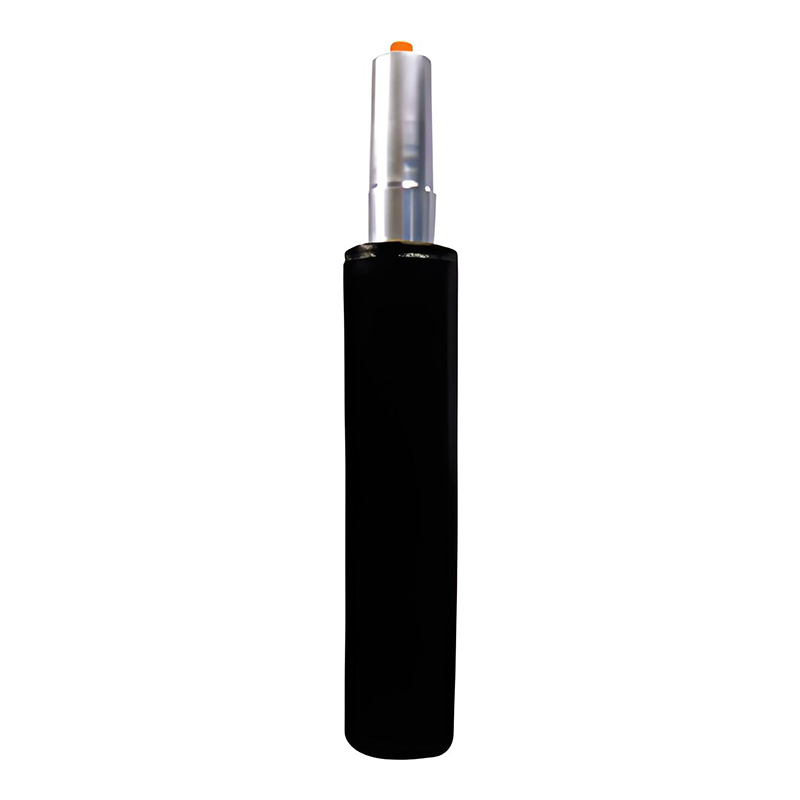
Gas spring rods offer smooth, linear motion with adjustable resistance. The compressed gas allows quick extension and retraction with minimal friction. Many gas spring rods also provide a cushioning effect at the end of the stroke to prevent sudden impact. Their motion is highly responsive and predictable, making them suitable for applications like automotive hatchback lifts, office chairs, and lightweight machinery components.
Hydraulic Rod Functionality
Hydraulic rods excel in applications requiring strong damping and controlled movement under heavy loads. The fluid inside the cylinder passes through adjustable valves, generating resistance that slows motion and provides precise control. Hydraulic rods are ideal for construction machinery, industrial presses, and other equipment where load-bearing capacity and motion regulation are critical.
Performance Comparison
When evaluating performance, several factors differentiate gas spring rods from hydraulic rods. These include force consistency, speed control, load capacity, and durability. Understanding these aspects helps engineers and users choose the most suitable rod type for specific applications.
| Performance Factor | Gas Spring Rod | Hydraulic Rod |
| Force Delivery | Linear, consistent, moderate force | Adjustable, capable of high force under load |
| Speed Control | Fast response, limited damping | Precise damping, slower motion under load |
| Load Capacity | Light to moderate loads | Heavy loads and high-pressure applications |
| Maintenance Requirements | Low, periodic inspection only | Higher, requires fluid checks and valve maintenance |
| Durability | High for moderate applications, less effective under heavy shocks | Very high for heavy-duty and continuous operation |
Practical Application Considerations
The choice between gas spring rods and hydraulic rods depends on the specific needs of your application. Consider the following practical factors:
- Required force and load capacity: use gas spring rods for moderate loads, hydraulic rods for heavy loads.
- Desired speed and motion control: gas springs provide fast extension, while hydraulics offer controlled, damped motion.
- Environmental factors: gas springs are more tolerant of temperature changes, while hydraulic rods may require specific fluid types and seals.
- Maintenance and longevity: gas springs require minimal maintenance, hydraulic rods need regular fluid checks and seal inspections.
- Space constraints: gas spring rods are generally compact, while hydraulic cylinders may require more installation space.
Cost and Installation Considerations
Budget and installation complexity are important practical factors. Gas spring rods are typically more cost-effective, lightweight, and easier to install due to their simplicity. Hydraulic rods are more expensive and require precise installation, including secure mounting, fluid connections, and proper alignment to avoid leaks or uneven motion.
Conclusion: Matching the Rod Type to Your Needs
Selecting between a gas spring rod and a hydraulic rod requires balancing force requirements, motion control, environmental conditions, maintenance capabilities, and budget. Gas spring rods excel in lightweight, fast, and responsive applications with minimal maintenance, while hydraulic rods dominate in heavy-duty, high-load, and precision-damped scenarios. Understanding these differences ensures optimal performance, longevity, and safety in your machinery or equipment.