 English
 русский
 Deutsch
 日本語
日本語
Content
Introduction to Office Chair Gas Cylinders
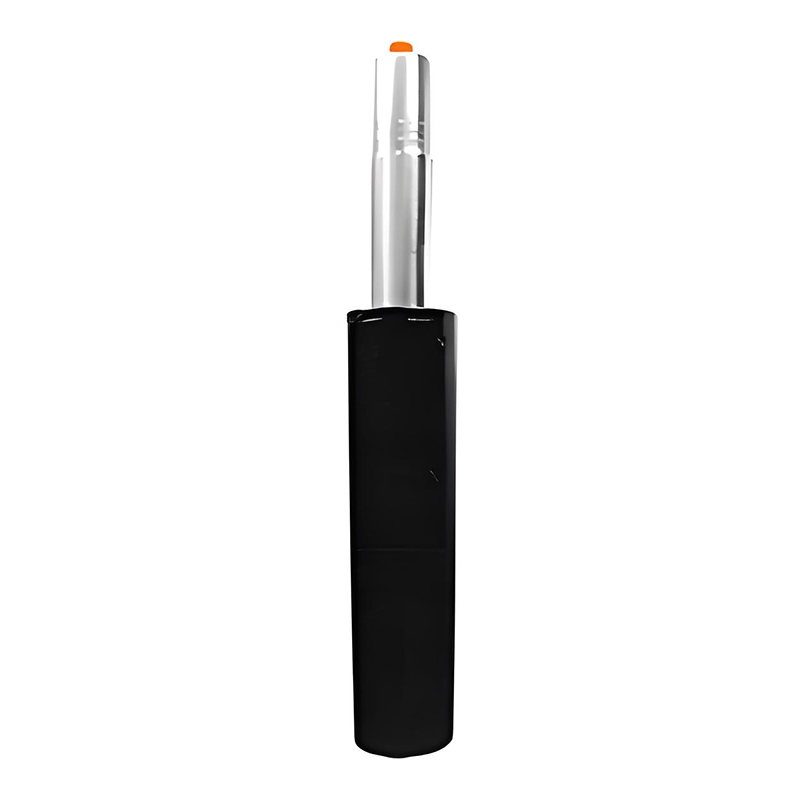
The office chair gas cylinder is a critical component that enables smooth height adjustment and reclining functionality. Also known as a pneumatic lift or gas lift, it provides the necessary support for varying weights while ensuring ergonomic comfort. Understanding its function, types, and maintenance is essential for prolonging the life of your office chair and ensuring safe use.
Typically located beneath the seat, the gas cylinder uses compressed gas sealed in a cylinder to create a controlled lifting and lowering mechanism. Its compact design allows for continuous adjustment while maintaining stability and load-bearing capacity.
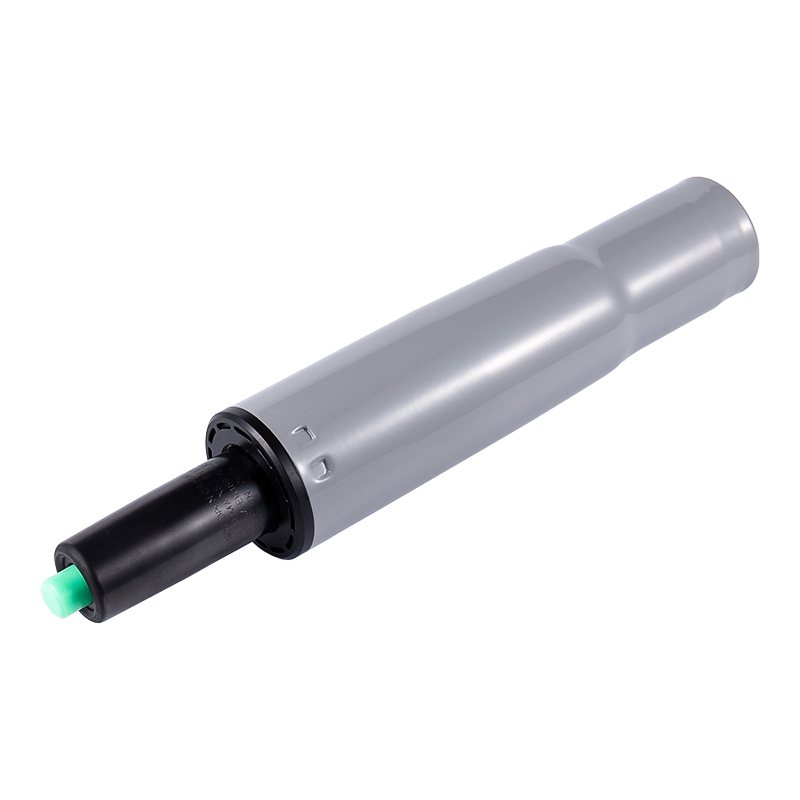
How Office Chair Gas Cylinders Work
The gas cylinder operates on a pneumatic principle. When the lever under the chair is engaged, the valve inside the cylinder releases pressure, allowing the chair to move up or down. Once released, the valve locks the cylinder in position, maintaining the desired seat height.
Gas cylinders are designed to support dynamic weight loads, absorb shocks during movement, and provide smooth, silent operation. They are filled with nitrogen or compressed air to achieve consistent lift performance.
Types of Office Chair Gas Cylinders
Office chair gas cylinders are available in multiple types depending on height adjustment range, load capacity, and specific applications. Choosing the right type ensures both comfort and durability.
Standard Gas Cylinders
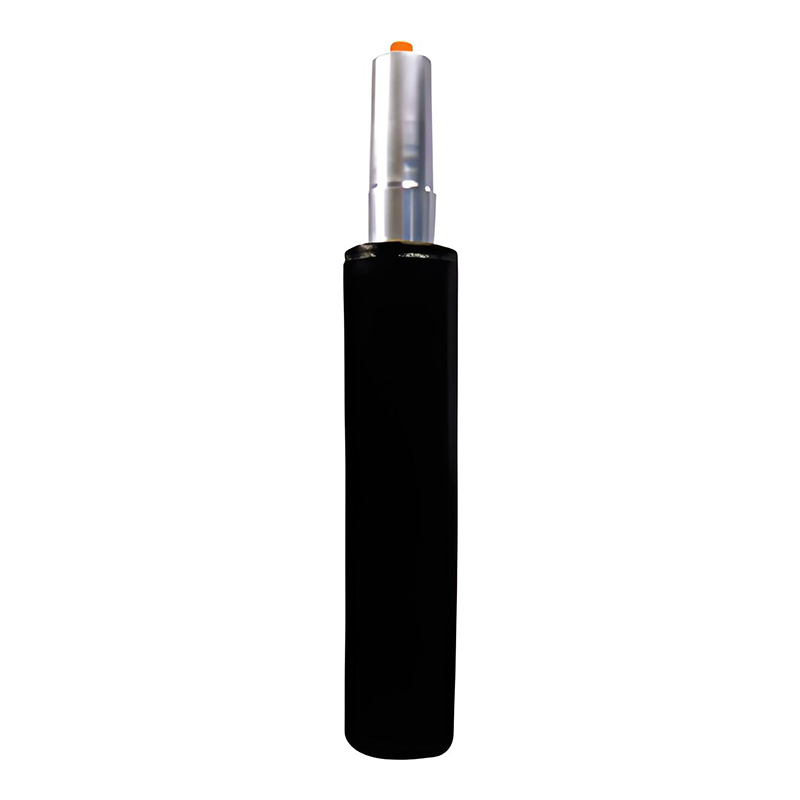
Standard gas cylinders are suitable for most office chairs and provide a moderate range of height adjustment. They are ideal for general seating requirements and support typical office workloads.
Heavy-Duty Gas Cylinders
Heavy-duty cylinders are designed for chairs intended to carry higher weight capacities. They often feature reinforced construction and thicker materials to handle continuous use without compromising stability or safety.
Extended Height Gas Cylinders
Extended height cylinders are suitable for drafting chairs or workstations where higher seating positions are required. They offer greater lift range while maintaining ergonomic support and structural integrity.
Specifications to Consider When Choosing a Gas Cylinder
Selecting the right gas cylinder requires attention to load capacity, stroke length, and compatibility with your chair model. The following table summarizes key specifications:
| Specification | Typical Range | Description |
| Load Capacity | 80–200 kg | Maximum weight the cylinder can support safely |
| Stroke Length | 100–150 mm | Distance the chair seat can be raised or lowered |
| Cylinder Diameter | 28–35 mm | Determines compatibility with chair base and gas lift mechanism |
| Material | Steel, Chrome-Plated, or Aluminum | Affects durability, load-bearing capacity, and corrosion resistance |
Installation and Replacement
Proper installation and timely replacement of gas cylinders are crucial for safety and performance. Incorrect installation may result in uneven seat movement, instability, or sudden collapse.
Installation Steps
- Remove the old cylinder by detaching the chair seat and base.
- Insert the new cylinder into the base socket and align properly.
- Reattach the chair seat securely on top of the cylinder.
- Test the height adjustment function for smooth operation and stability.
Maintenance Tips for Long-Lasting Performance
Regular maintenance extends the lifespan of office chair gas cylinders and ensures safe operation. Key practices include:
- Avoid overloading the chair beyond the cylinder’s specified weight capacity.
- Clean the cylinder surface periodically to prevent dust and debris accumulation.
- Lubricate the moving parts occasionally if recommended by the manufacturer.
- Replace the cylinder promptly if height adjustment becomes difficult, noisy, or uneven.
Common Issues and Troubleshooting
Even high-quality gas cylinders may encounter issues over time. Understanding common problems can help prevent accidents and extend functionality.
- Chair sinks or gradually lowers: Indicates internal gas leakage or worn cylinder seals.
- Difficulty adjusting height: May result from debris, misalignment, or damaged valve mechanisms.
- Unstable or wobbly seat: Often caused by incorrect installation or worn-out cylinder components.
Conclusion
The office chair gas cylinder is an essential component that ensures ergonomic comfort, smooth seat adjustment, and safety. Selecting the appropriate type, following proper installation procedures, and performing regular maintenance are critical for long-term performance.
By understanding the technology, specifications, and common issues of gas cylinders, users can maintain their office chairs in optimal condition, reduce the risk of accidents, and enjoy reliable seating comfort in professional or home office environments.