 English
 русский
 Deutsch
 日本語
日本語
Bottom line: If a gas spring has lost pressure, leaked oil, or developed a bent rod, repair is almost never cost-effective. Replacement with a correctly sized unit restores full function in under an hour for most applications, and it is the only reliable way to regain safe, consistent force.
You lift your car’s rear hatch, and it slams down after reaching halfway. Or your office chair sinks slowly under your weight despite a recent adjustment. These are classic signs of a failed gas spring. The instinct to repair is understandable, but the sealed construction of these components makes most repairs impractical. What actually works is knowing when to replace, how to match a new spring to the job, and which small fixes are still possible for mounting hardware.
Content
Why Most Gas Spring Repairs Are a Temporary Fix
A gas spring is a sealed cylinder containing pressurized nitrogen and a small amount of oil. The piston rod moves through a sealed guide, and the gas provides a nearly constant force over the stroke. Unlike a hydraulic cylinder, there is no external fluid reservoir or pump. Once the seal fails and gas escapes, the spring loses its force permanently. You cannot recharge it without specialized equipment, and even then the damaged seal will leak again.
What Can Be Repaired
End fittings, ball joints, and mounting brackets are often replaceable or re-threadable. If the spring itself still holds pressure, a loose or stripped mounting point can be fixed with a new ball stud, a threaded insert, or a reinforced plate.
What Cannot Be Repaired
A leaking seal, a bent piston rod, or a loss of nitrogen charge all mean the spring is finished. Attempting to disassemble a pressurized cylinder is dangerous and usually results in a spring that fails again within days or weeks.
If you are dealing with a chair or a cabinet, the same logic applies. A slow-sinking office chair usually needs a new gas lift cylinder, not a repair kit. For a deeper look at chair-specific failure modes, see this guide on why chair gas cylinders fail and how to choose replacements.
Repair vs. Replacement: A Realistic Comparison
The table below compares the two approaches across the factors that matter most in practice. Values are based on common passenger vehicles, office seating, and light industrial equipment.
Table 1: Practical comparison of gas spring repair and replacement for common applications.
Where Gas Springs Fail: Application Breakdown
Understanding which applications suffer the most failures helps you prioritize spare parts and maintenance schedules. The chart below shows the approximate distribution of gas spring replacement demand across major sectors.
- Automotive (40%): Hoods, tailgates, and rear hatches. High cycle counts and temperature swings accelerate seal wear.
- Office seating (25%): Gas lift cylinders. Continuous vertical loading and dust are the main enemies.
- Industrial equipment (20%): Machine covers, access panels, and conveyors. Vibration and contamination dominate.
- RV, marine, and other (15%): Awning struts, compartment doors, and hatch supports. UV exposure and salt air shorten life.
Hidden Factors That Shorten Gas Spring Life
Not all gas springs fail at the same rate. The bar chart below shows the typical service life you can expect in different environments, assuming a quality spring that matches the original force and stroke.
Office
5–7 years
5–7 years
Automotive
4–6 years
4–6 years
Outdoor
2–3 years
2–3 years
Marine
1–2 years
1–2 years
The pattern is clear: heat, UV, salt, and contamination are the biggest life shorteners. If your application sees any of these, choose a spring with a higher-quality rod finish and consider a protective boot.
Step-by-Step Replacement and Selection Guide
Replacing a gas spring is a straightforward job if you follow a few rules. First, always support the hatch, lid, or chair before removing the old spring. Second, measure the extended and compressed center-to-center lengths, the stroke, and the rod diameter. Third, match the force rating—too weak and the lid will not stay up; too strong and it may be hard to close or damage the mounting points.
- Secure the load: Use a prop rod or a helper to hold the hatch or chair in the open position.
- Release pressure: For springs with a locking clip, release it slowly. Never point the rod at your face.
- Remove the old spring: Pry off the retaining clips or unbolt the end fittings. Note the orientation of any brackets.
- Measure and order: Record center-to-center distances, stroke, and force. If you are replacing a chair cylinder, check the taper and diameter.
- Install the new spring: Apply a small amount of grease to the ball studs, snap the spring into place, and test the motion several times.
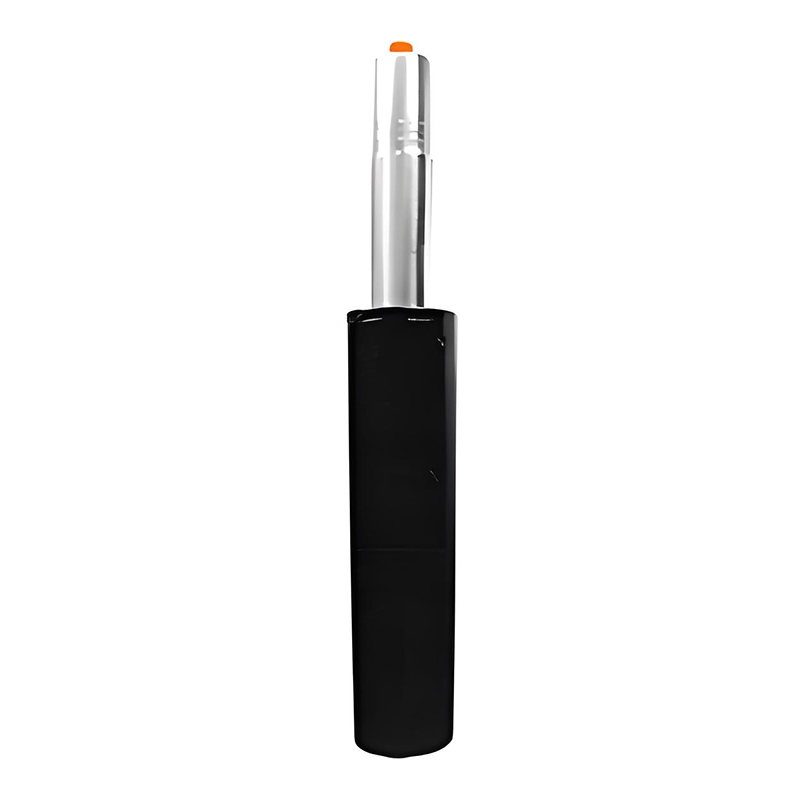
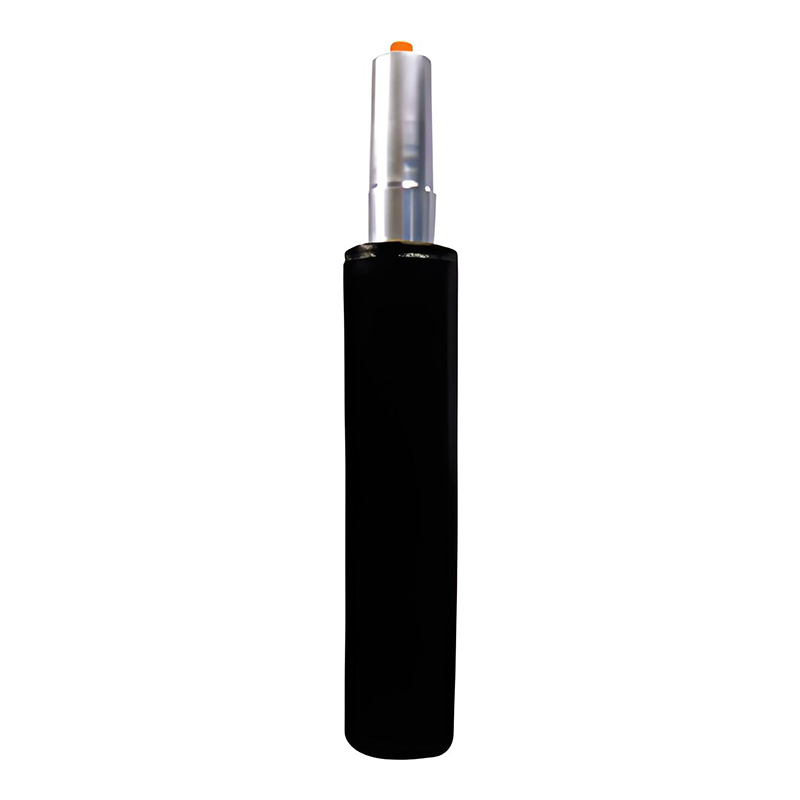
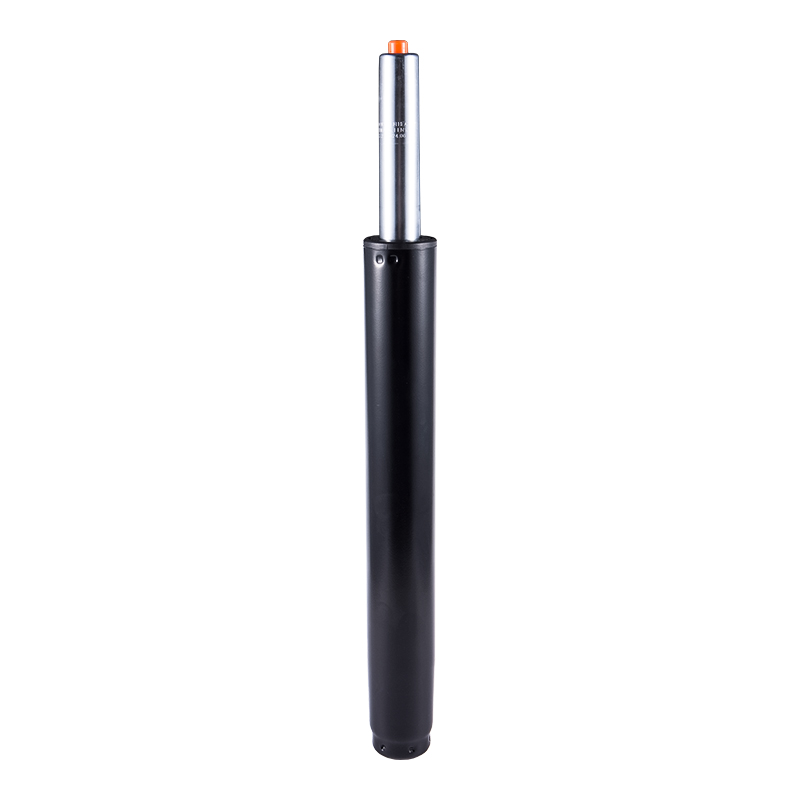 Adjustable Office Chair Gas Lift Cylinder Replacement with Black or Electroplated FinishReplacement gas lift cylinder for adjustable office chairs, with black or electroplated finishes and stroke lengths from 60 to 270 mm.View Product →
For office chairs, a direct replacement cylinder is the fastest route. If you need a spring for a cabinet door, machine guard, or vehicle hatch, a support gas spring or a lockable gas spring will cover most needs. The key is to match the end fittings and force to the original specification.
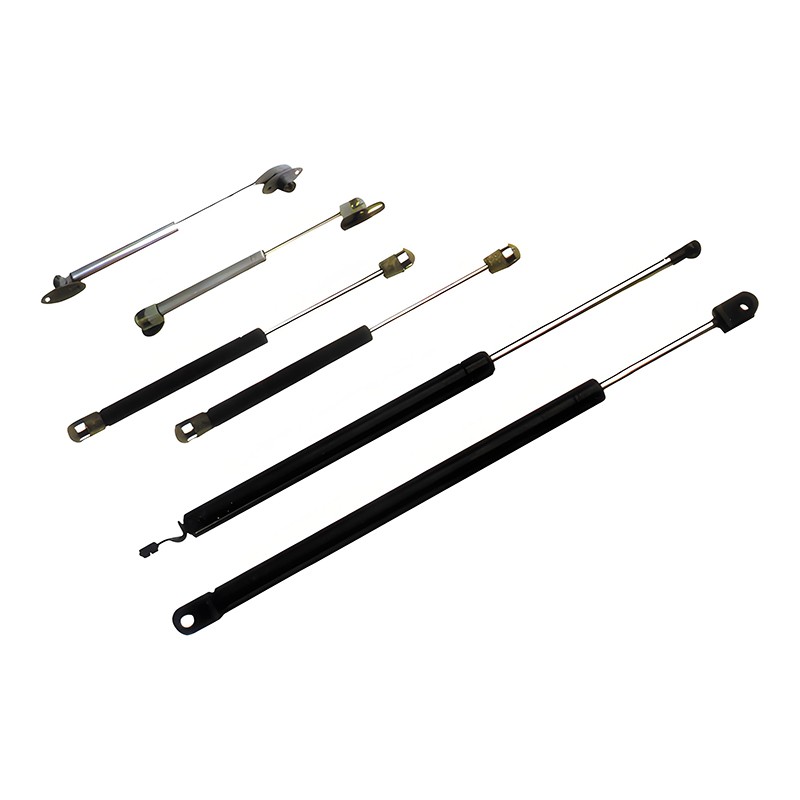 Compact Support Gas Spring for Cabinets, Luggage, Medical Beds, and ToolboxesCompact support gas spring for cabinets, luggage, agricultural machinery, medical beds, and toolboxes, with strokes from 50 to 900 mm.View Product →
 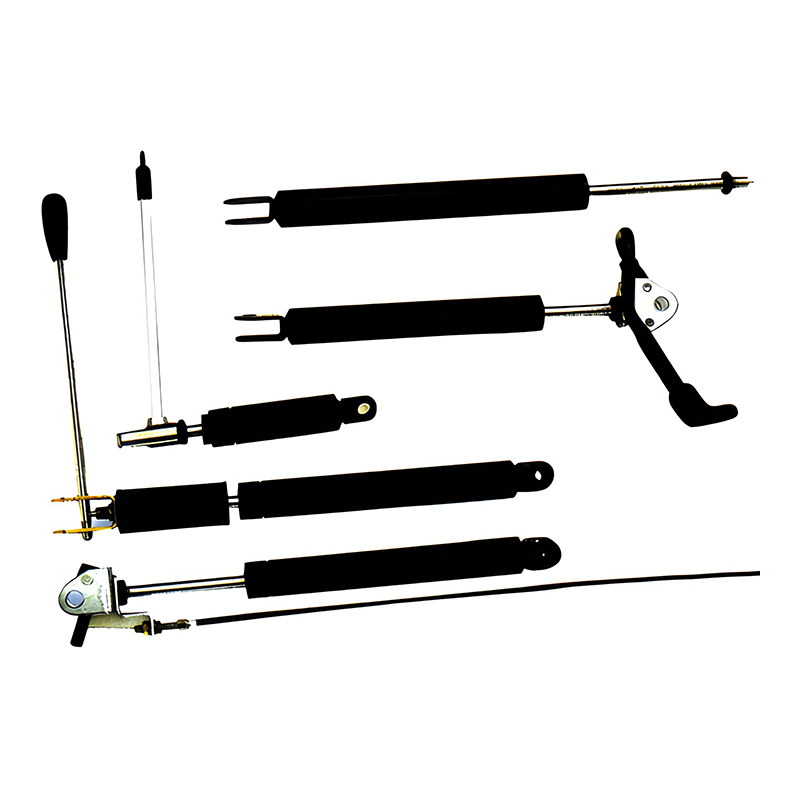 Lockable Gas Spring for Office Chairs, Hairdressing Chairs, and SeatsAdjustable lockable gas spring for office chairs, rocking chairs, hairdressing chairs, passenger seats, and hospital beds, with force options from 200 N to 1200 N.View Product →
When in doubt, contact the manufacturer with your measurements and application details. A supplier that also produces the springs can often cross-reference the original part number or recommend the closest standard unit.
Maintenance and Compliance Tips
Once a new gas spring is installed, a few habits will help it last. Lubricate the ball joints and pivot points every six months with a silicone or lithium grease. Keep the rod clean—dust and grit act like sandpaper on the seal. Avoid side loads by ensuring the spring moves only along its designed axis. If you notice oil residue on the rod or a slow loss of force, plan for replacement rather than waiting for a sudden failure.
From a compliance standpoint, gas springs are pressure vessels. In automotive and industrial applications, replacement parts should meet the original equipment specifications for force, stroke, and materials. For export markets, look for springs that comply with relevant ISO or DIN standards. If you are unsure, ask the supplier for test reports or certificates. Reliable manufacturers test every batch for force and leak-down, and they can provide documentation for regulatory audits.
If you need help identifying the right replacement or want to discuss a custom specification, reach out to the supplier directly. A short conversation about your application can save hours of trial and error.