 English
 русский
 Deutsch
 日本語
日本語
You specify a 500 N gas spring for a cabinet door, but after a few hundred cycles the ball socket develops play and the door sags. The spring itself is fine. The problem is the end fitting. In dynamic applications, the end fitting is not a passive connector; it is a load-bearing interface that determines alignment, wear, and safety.
Choose end fittings with the same rigor as the gas spring itself. Mismatched materials, threads, or articulation angles are the leading cause of premature failure in doors, hatches, and adjustable seating.
At ADF, we manufacture gas springs and work with customers to match end fittings to their specific motion and load requirements. This guide covers the key technical decisions, from material selection to installation tolerances, so you can avoid costly rework and warranty claims.
Content
- 1 What Gas Spring End Fittings Actually Do
- 2 How to Match End Fittings to Your Gas Spring
- 3 Material and Finish Options: A Data Comparison
- 4 Hidden Factors That Affect End Fitting Life
- 5 Where End Fittings Are Used: Industry Distribution
- 6 ROI and Selection Guide: A Step-by-Step Approach
- 7 Maintenance and Compliance Essentials
What Gas Spring End Fittings Actually Do
An end fitting connects the gas spring to the moving and fixed structures. It must transfer force without introducing bending moments, allow the articulation required by the motion path, and resist environmental attack. When any of these functions is compromised, the gas spring may bind, leak, or fail suddenly.
- Load transfer: Distributes the spring force into the mounting point without point loading.
- Articulation: Accommodates angular misalignment as the spring extends and compresses.
- Vibration damping: Absorbs small oscillations that would otherwise fatigue the rod or cylinder.
- Corrosion resistance: Protects the connection in humid, outdoor, or wash-down environments.
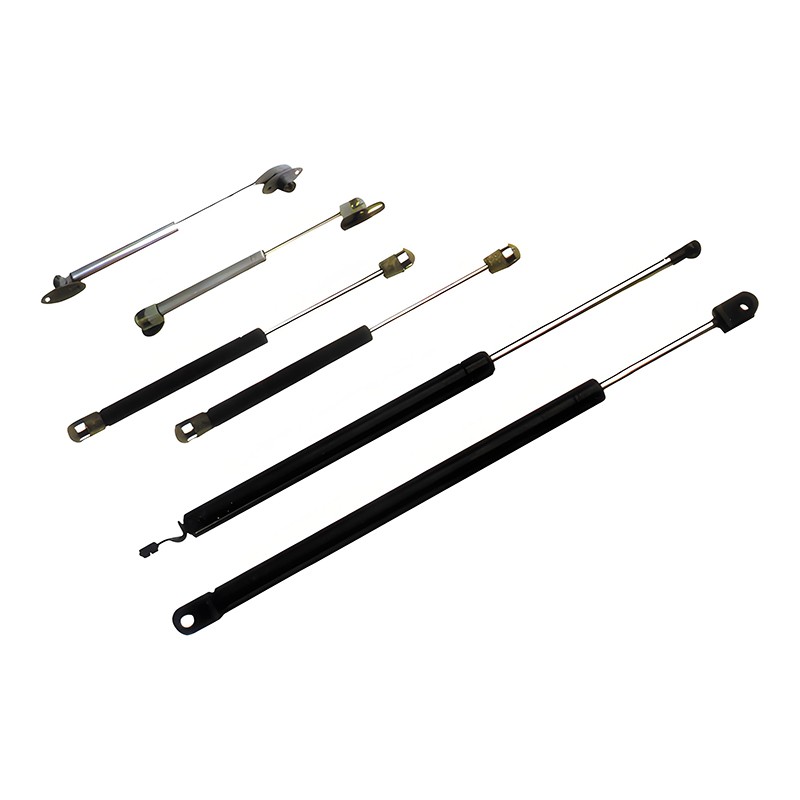
Common types include ball joints (for multi-axis movement), clevis mounts (for single-axis rotation), eye fittings (for pinned connections), and threaded studs (for rigid attachment). Each type has a different tolerance for misalignment and a different load rating.
How to Match End Fittings to Your Gas Spring
Start with four parameters: thread size, rod diameter, load capacity, and articulation angle. A fitting that is rated for 800 N but only offers 10 degrees of articulation will fail quickly in an application that needs 30 degrees of movement. The table below compares common options.
Type
Typical Material
Articulation
Load Capacity
Best For
Ball Joint
Steel / Nylon
Multi-axis (up to 30°)
Up to 1200 N
Automotive hatches, adjustable seats
Clevis
Stainless Steel
Single-axis (up to 20°)
Up to 2000 N
Industrial machinery, heavy doors
Eye
Zinc-plated Steel
Pinned (up to 15°)
Up to 1500 N
Furniture, medical equipment
Threaded Stud
Steel / Stainless
None (rigid)
Up to 3000 N
Static supports, tight spaces
Table 1: Comparison of common gas spring end fitting types.
For a deeper look at mounting methods, see our guide on common end mounting methods.
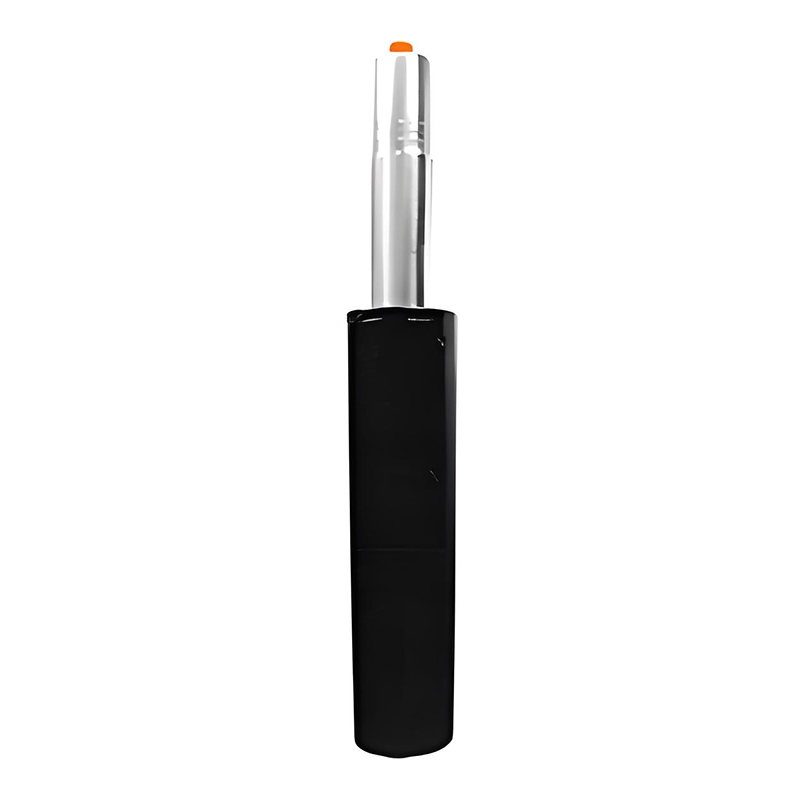
 Chair Gas Cylinders SuppliersStandard Height Heavy Duty Office Chair Gas Lift CylindersView Product →
Material and Finish Options: A Data Comparison
Material choice affects cost, weight, corrosion resistance, and noise. Nylon is lightweight and quiet but has lower strength. Steel is strong and inexpensive but requires plating. Stainless steel offers the best corrosion resistance at a higher cost. Zinc plating is a middle ground for indoor applications.
Material
Relative Cost
Strength
Corrosion Resistance
Typical Applications
Nylon
Low
Low
Moderate
Office chairs, light hatches
Zinc-plated Steel
Medium
High
Moderate
Indoor furniture, cabinets
Stainless Steel
High
High
Excellent
Marine, medical, wash-down
Steel with PTFE Liner
Medium-High
High
Good
High-cycle automotive, seating
Table 2: Material selection guide for gas spring end fittings.
Hidden Factors That Affect End Fitting Life
Field failures rarely come from the fitting alone. The chart below shows the relative impact of five factors, based on our analysis of warranty returns and customer feedback.
Misalignment is the most common culprit. Even a few degrees of angular error can cause the ball stud to wear through its socket or the rod to bend. Contamination accelerates wear in dusty or gritty environments. Overloading occurs when the fitting is undersized for the spring force. Poor installation, such as over-torquing a threaded stud, can crack the housing. Material mismatch, like using a nylon fitting in a high-temperature area, leads to softening and deformation.
Where End Fittings Are Used: Industry Distribution
End fittings are used across many industries, but the demand is concentrated in a few key sectors. The pie chart below shows our estimated market distribution based on global sales data.
Office Seating (40%)
Automotive (25%)
Industrial Machinery (20%)
Medical & Furniture (10%)
Other (5%)
Office seating remains the largest segment because height-adjustment mechanisms rely on a single gas lift cylinder with a specific end fitting. Automotive applications favor ball joints for hatches and tailgates. Industrial machinery uses heavy-duty clevis fittings for access panels and safety guards.
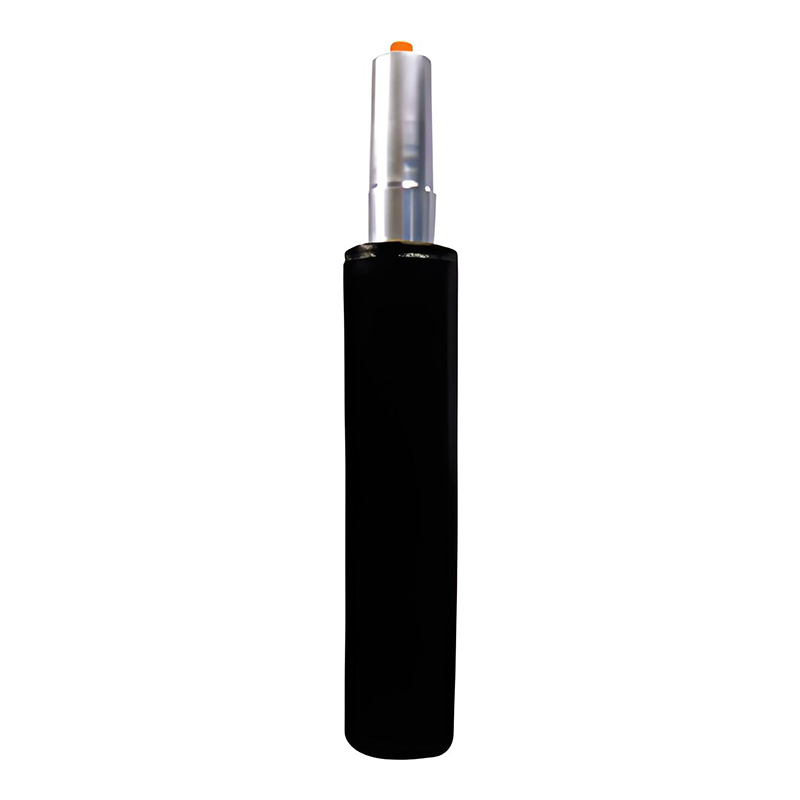
Office Chair Gas Lift Cylinders ManufacturersStandard Height Heavy Duty Office Chair Gas Lift CylindersView Product →ROI and Selection Guide: A Step-by-Step Approach
A structured selection process reduces rework and warranty costs. Follow these five steps to identify the right end fitting for your application.
1
Define Load and Motion
Calculate the maximum force and the full range of angular movement. Account for dynamic loads and safety factors.
2
Choose Fitting Type
Select ball joint, clevis, eye, or stud based on required articulation and mounting space.
3
Select Material and Finish
Match corrosion resistance to the environment. Consider noise and weight constraints.
4
Verify Thread and Rod Compatibility
Check thread size, pitch, and rod diameter against the gas spring specification. A mismatch can strip threads or cause play.
5
Test and Validate
Run a cycle test with the actual load and motion profile. Inspect for wear, noise, and temperature rise after 10,000 cycles.
For applications requiring controlled positioning, consider our 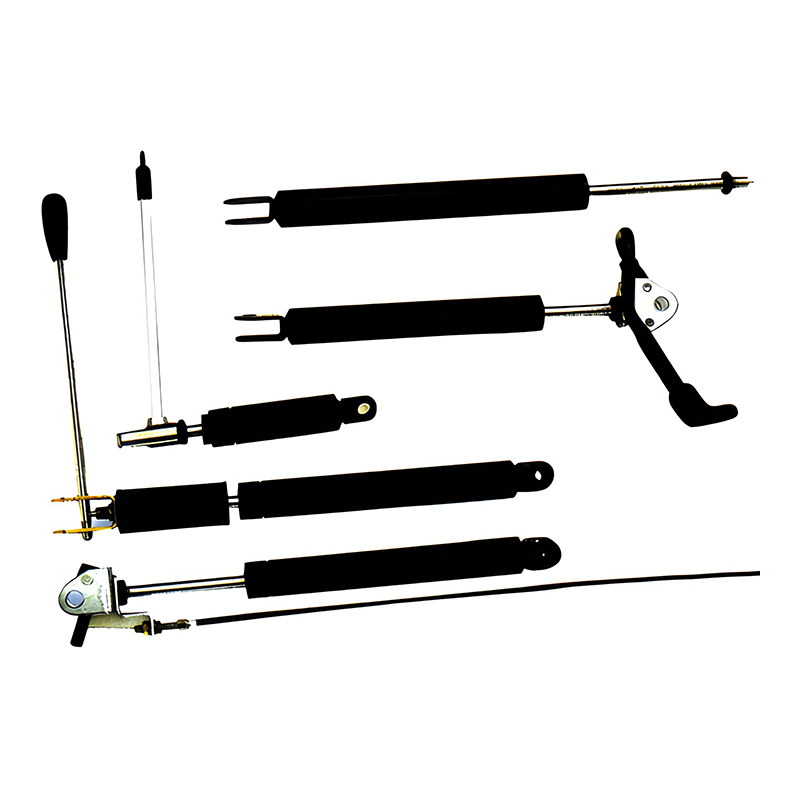 Lockable Gas SpringThe lockable gas spring is used to adjust the backrest angle of the office chair, and can be adjusted to a suitable angle as needed. The lockable gas spring is a perfe...View Product → lockable gas springs, which can be paired with a range of end fittings for precise holding force.
Maintenance and Compliance Essentials
Even the best end fitting will degrade over time. Establish a periodic inspection schedule based on cycle count and environment. Look for these warning signs:
- Visible play or wobble in the ball socket or clevis pin.
- Rust or corrosion on the fitting surface, especially at threads.
- Abnormal noise (squeaks, clicks) during operation.
- Deformation of the fitting body or mounting bracket.
- Grease or oil residue around the joint, indicating seal failure.
Replace end fittings at the first sign of wear. Reusing a worn fitting with a new gas spring will void the spring warranty and risk sudden failure. For compliance, ensure materials meet RoHS and REACH directives. Automotive and medical applications may require additional standards such as IATF 16949 or ISO 13485 for the finished assembly.
If you need custom end fittings or gas springs with specific end configurations, contact ADF for a technical review. Our team can recommend the right combination for your load, motion, and environment.
End fittings are small components with an outsized impact on gas spring performance. By matching type, material, and articulation to the application, you avoid premature failure and costly downtime. Use the tables and steps above as a checklist, and when in doubt, test a prototype under real conditions before committing to production.