 English
 русский
 Deutsch
 日本語
A facilities team replaces a missing pin in a fire-rated timber door. The door swings, but the pin is slightly undersized, the head sits proud of the knuckle, and the door no longer closes cleanly against the frame. The replacement part cost very little; the compliance risk and callback cost did not. Door hinge pins look simple, but they are precision retention components, not generic steel rods.
Bottom line: match the pin to four things before buying—knuckle geometry, retention method, load and removal requirement, and material or fire/security listing. A pin that fits by diameter alone can still fail by clearance, corrosion, tampering, or non-compliant substitution.
Content
- 1 The pin is not the hinge: what actually varies
- 2 Door hinge pin types and where they fit
- 3 Hidden failure points: where replacement pins go wrong
- 4 Application mix: where pin choices shift
- 5 When hinge pins meet gas-spring motion control
- 6 A six-step selection and replacement workflow
- 7 Maintenance, compliance, and the bottom line
The pin is not the hinge: what actually varies
In butt hinges, concealed hinges, pivot hinges, and continuous hinges, the pin may be fixed, removable, threaded, spring-loaded, or replaced by a pivot bearing. The pin’s job is to keep the knuckles aligned while allowing rotation—or to prevent rotation or removal when security matters. That is why “door hinge pin types” should be read as a specification question, not just a shape question.
Geometry and fit
Pin diameter, length, head shape, knuckle stack height, and end clearance must match. As a shop-floor rule, a replacement pin should pass through all knuckles under hand pressure and show no visible side-to-side play once seated. If it needs hammering, stop.
Retention method
Headed pins rely on gravity and a head; threaded pins use a nut or thread-lock; split pins rely on spring tension; security pins use tamper-resistant heads or set screws. Retention determines whether maintenance can remove the pin quickly or whether removal is deliberately restricted.
Material and finish
Zinc-plated steel is common for interior doors; 304 stainless suits humid or exterior conditions; 316 stainless is the safer choice near coastal air or wash-down. Brass and coated pins should be checked against the hinge material to reduce galvanic corrosion.
Security and compliance
Fire-door assemblies are not normal repair territory. NFPA 80 and local fire codes generally require listed hardware and controlled field modifications. A non-removable pin may improve security, but it must not conflict with the door listing or egress requirements.
Door hinge pin types and where they fit
The table below compares the pin types most often specified or replaced in door hardware. It uses a practical maintenance view: how the pin stays in place, how it comes out, where it suits, and what usually goes wrong.
Hidden failure points: where replacement pins go wrong
Most pin problems are not dramatic. They show up as a loose door, a pin that walks upward, a rusty knuckle, or a maintenance technician using the wrong diameter because the original head is worn beyond readable markings. The chart below is an illustrative maintenance triage view, useful for prioritizing inspection rather than a formal industry survey.
Lost pin
Corrosion
Wrong dia.
Bent pin
Tampering
Illustrative triage weights: lost or walking pins, corrosion seizure, diameter mismatch, bending, and unauthorized removal.
Application mix: where pin choices shift
A residential interior door prioritizes easy maintenance and quiet operation. A commercial fire door prioritizes listed components, positive closure, and controlled modification. An exterior security door shifts again toward non-removable retention and corrosion resistance. The pie chart is an illustrative selection emphasis, not a market forecast.
Residential interior doors: 38%
Commercial fire and smoke doors: 27%
Exterior and security doors: 18%
Cabinet and furniture pivots: 11%
Industrial and equipment doors: 6%
When hinge pins meet gas-spring motion control
Some doors and panels need more than a pin. A hinge pin controls alignment and rotation; a gas spring controls force, lift assist, or position holding. On heavy overhead doors, cabinet lids, equipment covers, and adjustable seating, the pin and the strut solve different problems. If the panel is too heavy for safe manual lifting, do not oversized the pin and hope for the best—calculate the moment and add a controlled force element.
ADF’s gas spring range covers support, lockable, automatic return, and lift-assist functions for seat and industrial applications. For heavy flaps, the practical sequence is to define the hinge pivot first, then choose a spring force and end-mounting method that keeps the rod clear of the door frame through the full stroke.
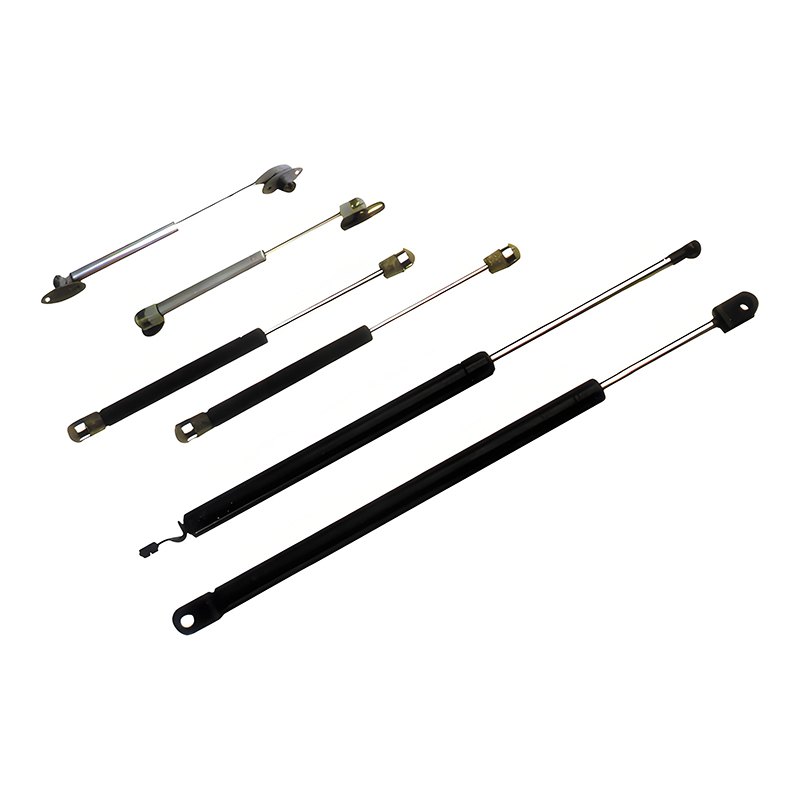 Compact Support Gas Spring for Controlled Opening and Height AdjustmentA compact, lightweight support strut that holds positions and assists controlled opening in cabinets, beds, toolboxes, and other confined-space applications.View Product →
A support gas spring suits static holding and controlled opening where the load must stay put without a separate latch. A lockable gas spring is better when the user must stop the panel at several positions or prevent movement during service. Neither replaces a security hinge pin, and a security pin should not be used to compensate for a missing strut.
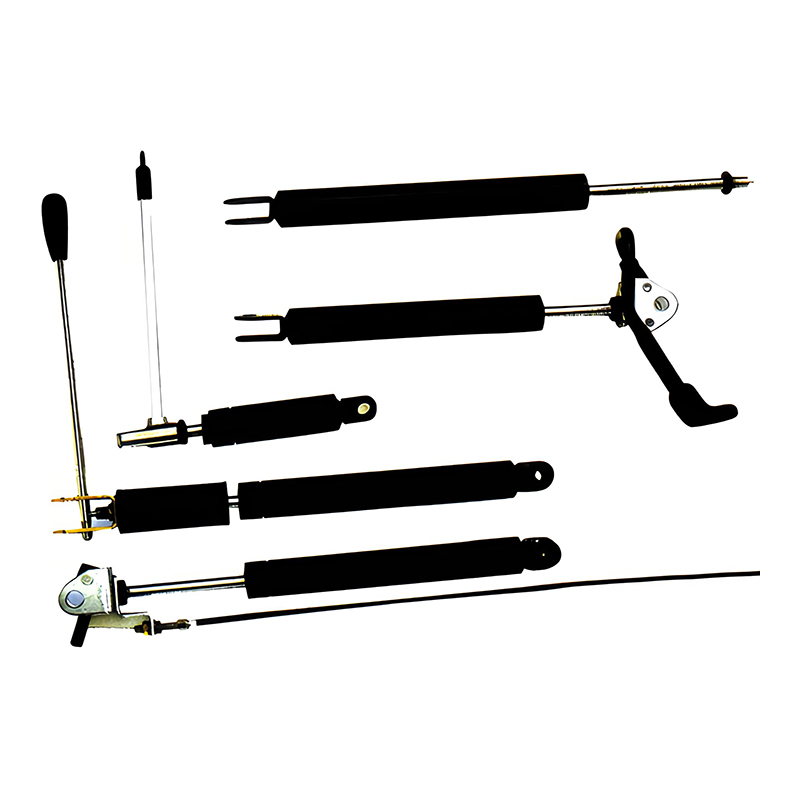 Lockable Gas Spring for Adjustable Positioning in Seats and BedsAn oil-and-gas locking strut that stops at any position without steps, suited to office chairs, passenger seats, and hospital beds.View Product →
A six-step selection and replacement workflow
A wrong pin is cheap to buy and expensive to own: callbacks, door downtime, damaged knuckles, and fire-door non-compliance all cost more than the part. Use a measured workflow rather than a “looks close enough” match.
1. Measure the stack
Record pin diameter, overall length, head diameter, and knuckle stack height with a caliper. Check for a worn or reamed knuckle before ordering.
2. Identify retention
Confirm whether the original pin was headed, threaded, split, taper, or security-type. The removal direction matters as much as the diameter.
3. Match the environment
Use stainless where moisture, cleaning chemicals, or coastal air are present. Avoid mixing incompatible finishes that accelerate galvanic corrosion.
4. Check compliance
For fire doors, verify the hinge and pin are acceptable under the listing and NFPA 80 requirements. Do not drill, substitute, or remove hardware without approval.
5. Trial-fit by hand
The pin should enter without force and seat fully. Check door swing, frame clearance, and head position. If the door binds, stop and inspect hinge alignment.
6. Record and maintain
Log the pin size, material, and retention type. Add pin inspection to routine door checks, especially where pins walk, rust, or are removed for cleaning.
Maintenance, compliance, and the bottom line
Inspect hinge pins during normal door maintenance: look for a raised head, bright wear rings, rust streaks, oval knuckle holes, or a pin that can be pushed out by hand on a security door. Lubricate sparingly with a product compatible with the hinge finish; excess grease can attract dust and obscure wear. On fire doors, keep the original listing documentation and avoid field substitutions that change the assembly.
- Use the pin type and material specified by the hinge manufacturer, not just the closest diameter.
- Replace missing retainers, clips, or set screws at the same time as the pin.
- Treat fire-rated and security doors as compliance assemblies, not general repair jobs.
- When a door or flap is too heavy for the hinge alone, specify a gas spring for force control rather than forcing a larger pin into the knuckle.
The right door hinge pin is the one that matches the knuckle, stays retained, survives the environment, and respects the door’s security and fire listing. That is a small part with a large effect on how the whole door performs.