 English
 русский
 Deutsch
 日本語
日本語
Content
- 1 What Are Automatic Spring Lift Gas Struts and How Do They Work
- 2 The Auto Reset Function: What Makes It Different from Standard Gas Springs
- 3 360-Degree Swivel and Direction Lock: Two Features That Work Together
- 4 Key Specifications to Understand Before Selecting a Gas Strut
- 5 Applications Where Auto Reset Gas Struts Deliver the Most Value
- 6 Durability, Maintenance, and Long-Term Performance
- 7 Choosing Between Standard and Auto Reset Gas Springs for Your Application
What Are Automatic Spring Lift Gas Struts and How Do They Work
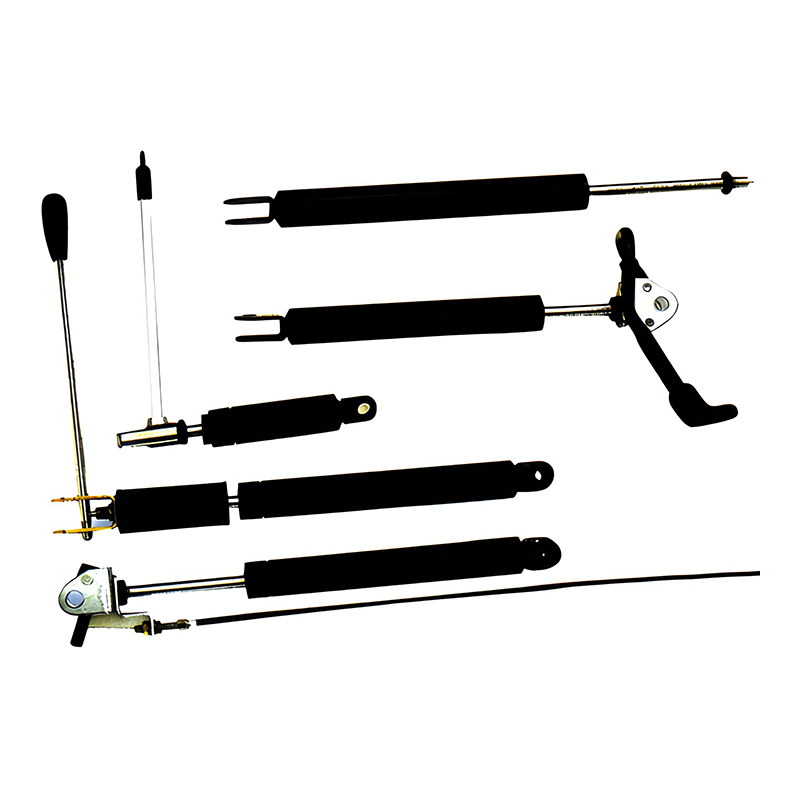
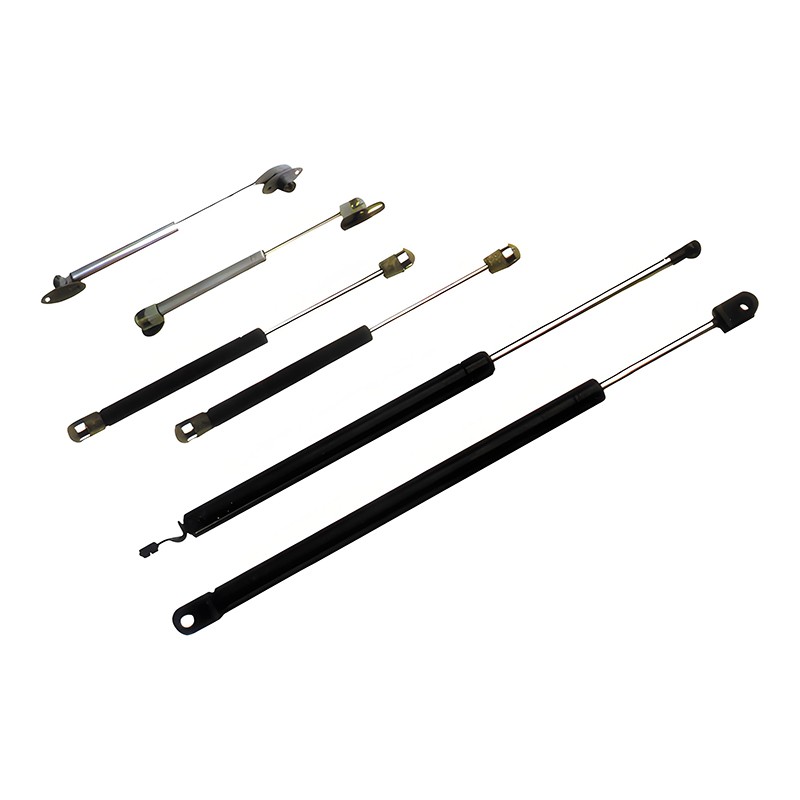
Automatic spring lift gas struts represent a significant advancement over conventional gas spring technology. While a standard gas spring provides passive resistance — holding a position only when manually adjusted — automatic spring lift gas struts incorporate an internal mechanism that actively resets the component to a predefined default position once the applied load is removed. In practical terms, this means the strut does not simply stay wherever it was last set. It returns on its own, without any user input, to the height or angle it was calibrated to hold at rest.
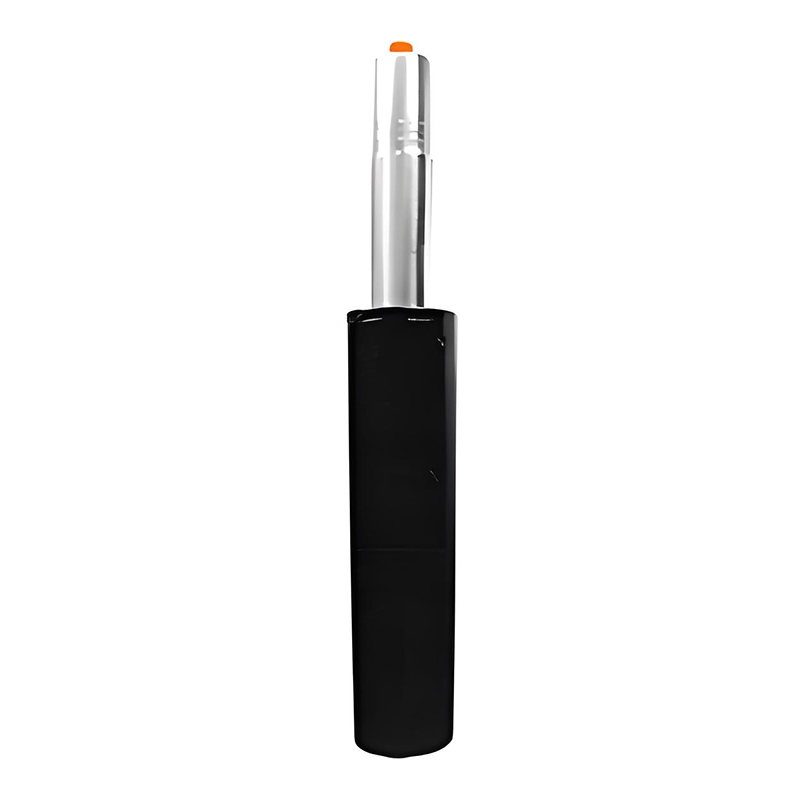
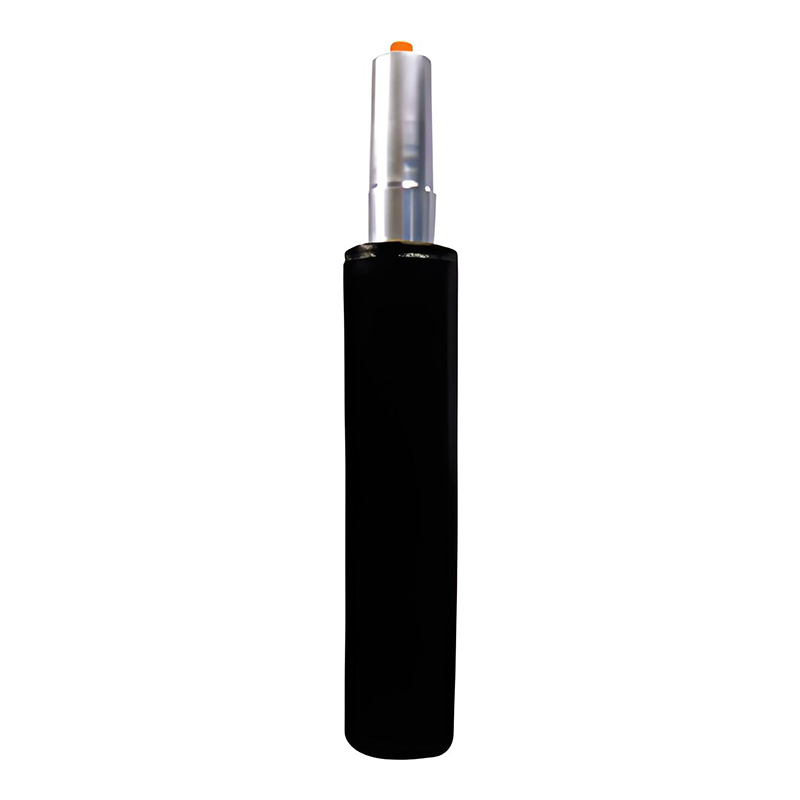
The core operating principle combines sealed pressurised nitrogen gas with a precision-calibrated return spring assembly inside the cylinder. When a person sits on an office chair or applies downward force to the equipped device, the gas compresses and the strut allows smooth downward travel. The user can then adjust height freely — raising or lowering the seat within the designed range of motion. When the user stands and the load is removed, the internal spring mechanism activates, and the strut extends back to its default resting height automatically. This cycle repeats consistently throughout the product's service life without mechanical degradation of the return function.
The Auto Reset Function: What Makes It Different from Standard Gas Springs
The defining feature of this product category is the gas spring with auto reset function — a mechanism that fundamentally changes how equipment behaves between uses. In a conventional gas spring, the strut remains at whatever compressed position it was left in when the user last interacted with it. The next user must manually readjust height before sitting, which creates friction in shared-use environments such as open-plan offices, co-working spaces, classrooms, and healthcare facilities.
A gas spring with auto reset function eliminates this entirely. The moment weight is removed from the seat or surface, the strut resets to its factory-calibrated default height. The next user encounters a chair or device already in its optimal starting position, ready for personalisation from a known baseline rather than from whatever random height the previous occupant left it at. This is not a minor ergonomic convenience — in high-turnover environments, the cumulative time and friction saved across dozens of daily seating transitions is measurable and significant.
The technical distinction between a standard gas spring and one with auto reset lies in the spring return assembly. Standard gas springs rely purely on gas pressure to resist compression; they hold position passively. The auto reset variant adds a coiled return spring element that stores energy during compression and releases it progressively when load is removed, driving the rod back to its extended default position at a controlled, non-jarring speed. The rate of return is engineered to be smooth rather than sudden, preventing the mechanism from snapping upward in a way that could startle users or damage the equipment.
360-Degree Swivel and Direction Lock: Two Features That Work Together
Beyond the auto reset function, high-performance automatic spring lift gas struts incorporate two additional capabilities that are particularly valuable in office chair applications: 360-degree swivel movement and directional locking. These two features are designed to complement each other, giving users maximum flexibility in how they position and orient themselves while seated.
The 360-degree swivel allows the seat to rotate freely in any direction without resistance. This facilitates smooth turning to reach adjacent surfaces — a second monitor, a side desk, a filing drawer — without the user needing to stand, pivot, and reseat themselves. In practice, it reduces physical strain associated with repetitive twisting and improves workflow efficiency for users who work across multiple areas simultaneously.
The directional lock function works in conjunction with the swivel. When the user wants to fix the chair in a specific orientation — facing a primary screen, for example — the lock mechanism engages and holds that direction firmly. The chair no longer drifts or rotates with subtle shifts in body weight, which improves postural stability during focused tasks. Critically, when the user unlocks the direction and then stands, the chair does not remain locked in a potentially awkward angle for the next occupant. The auto-return function resets the orientation back to the default forward-facing position, ensuring the chair is in its neutral, ready state for the next use.
Key Specifications to Understand Before Selecting a Gas Strut
Selecting the correct automatic spring lift gas strut for a given application requires matching several technical parameters to the actual use conditions. The following table summarises the primary specification variables and what each one governs:
| Specification | What It Determines | Typical Range (Office Chair) |
| Stroke length | Total height adjustment range available to the user | 100mm – 160mm |
| Extended length | Maximum height from floor to seat at full extension | 340mm – 500mm |
| Load rating | Maximum supported user weight before performance degrades | 100kg – 200kg |
| Return spring force | Speed and firmness of the auto reset action | Calibrated to application |
| Cylinder diameter | Structural strength and compatibility with chair base | 28mm – 50mm |
| Certification standard | Safety and durability compliance for commercial use | BIFMA, EN 1335, SGS |
Load rating deserves particular attention when specifying automatic spring lift gas struts for commercial or heavy-duty environments. A strut rated for 120kg will not perform reliably under sustained loads above that threshold, and the auto reset function may weaken or fail prematurely if the return spring is repeatedly stressed beyond its design limits. For environments serving a diverse user population, specifying a strut with a higher load rating than the average expected weight provides a meaningful safety margin and extends service life.
Applications Where Auto Reset Gas Struts Deliver the Most Value
While automatic spring lift gas struts can be applied across a wide range of adjustable-height equipment, certain use cases benefit disproportionately from the auto reset function. The common thread across these applications is shared use — environments where multiple different people use the same piece of equipment across a single day.
- Open-plan and hot-desk offices: Employees rotating between workstations throughout the day encounter chairs that are always reset to the standard starting height, eliminating the need for manual height adjustment as a recurring task at the start of each work session.
- Reception and front-desk positions: Staff may stand and sit repeatedly throughout a shift. The gas spring with auto reset function ensures the chair is at the correct height each time they return to the seated position, supporting consistent ergonomic posture without conscious readjustment.
- Educational environments: Classrooms and computer labs with adjustable chairs benefit significantly from auto reset struts, as students of varying heights use the same seats across different class periods. The seat resets between classes, reducing setup time and ensuring each student starts from the same baseline.
- Healthcare and clinical settings: Examination stools and procedure chairs in hospitals and clinics are used by multiple clinicians across a single shift. Auto reset gas springs ensure that seating height returns to a safe and accessible default, reducing the risk of a clinician sitting down onto a chair set at the wrong height during a fast-paced procedure.
- Industrial workstations: Height-adjustable assembly benches and operator platforms equipped with automatic spring lift gas struts reset to the standard working height between operators, ensuring consistent ergonomic positioning regardless of the previous user's preferences.
Durability, Maintenance, and Long-Term Performance
Automatic spring lift gas struts are engineered for high-cycle durability. Quality-grade units are tested to 100,000 compression and return cycles or more before being rated for commercial deployment. The sealed nitrogen gas charge does not deplete under normal operating conditions — unlike pneumatic systems that connect to external air supplies, the gas spring is a closed system. The primary wear components over the product lifecycle are the internal seals, which prevent gas from escaping around the piston rod. High-quality seals made from nitrile or polyurethane compounds resist both mechanical wear and degradation from exposure to lubricating oil inside the cylinder, maintaining effective sealing across tens of thousands of cycles.
The return spring element inside a gas spring with auto reset function requires no user maintenance. It does not need lubrication, tensioning, or periodic adjustment. The only maintenance consideration for the external components is keeping the piston rod clean and free from abrasive debris, which can score the rod surface over time and accelerate seal wear. Wiping the exposed rod section with a clean dry cloth as part of routine cleaning is sufficient to preserve optimal performance in most environments.
When a strut does reach end of life — indicated by a gradual loss of return force, sluggish reset action, or visible gas leakage — replacement is straightforward. Automatic spring lift gas struts are designed with standard taper dimensions at the top and bottom ends, ensuring compatibility with most commercially available office chair bases and seat mechanisms. Replacement requires no specialist tools and can typically be completed in under five minutes, minimising equipment downtime in commercial settings.
Choosing Between Standard and Auto Reset Gas Springs for Your Application
Not every application requires automatic spring lift gas struts — for single-user dedicated equipment, a standard gas spring that holds its last-set position may be entirely adequate. The decision framework comes down to three questions: how many different users will operate this equipment daily, how important is ergonomic consistency across users, and how much operational friction is acceptable in adjusting equipment at the start of each use session.
Where the answer to any of these questions points toward high user turnover, ergonomic priority, or minimal adjustment friction, the gas spring with auto reset function is the superior specification. The cost premium over a standard gas spring is modest relative to the long-term operational benefits — particularly when factoring in the reduced risk of musculoskeletal issues associated with employees repeatedly sitting at incorrectly adjusted workstations. For procurement decisions involving multiple units across a commercial fit-out, the ergonomic and efficiency case for automatic spring lift gas struts with full 360-degree swivel and direction lock capability is compelling and well-supported by real-world usage data across office furniture, healthcare, and industrial sectors.