 English
 русский
 Deutsch
 日本語
日本語
Content
Working Principle of Adjustable Locking Gas Springs
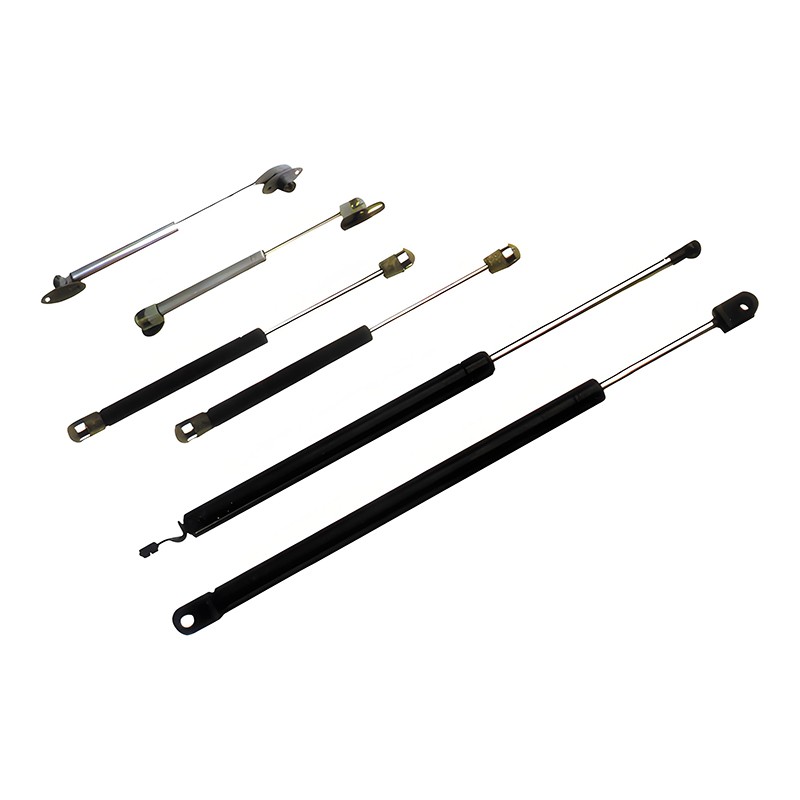
Adjustable locking gas springs are mechanical devices designed to provide controlled motion and secure positioning in various angles or stroke positions. Unlike standard gas springs that only offer lifting assistance, locking gas springs incorporate an internal valve system that allows the rod to stop and hold at a specific position when activated. The internal chamber is filled with compressed nitrogen gas, which generates force as the piston rod moves.
When the release mechanism is triggered, the internal valve opens, allowing the piston to move freely. Once the desired position is reached and the control button or lever is released, the valve closes and locks the rod in place. This adjustable locking function ensures stability without requiring external support components.
Core Functional Components
- High-pressure nitrogen-filled cylinder
- Precision piston and rod assembly
- Integrated locking valve system
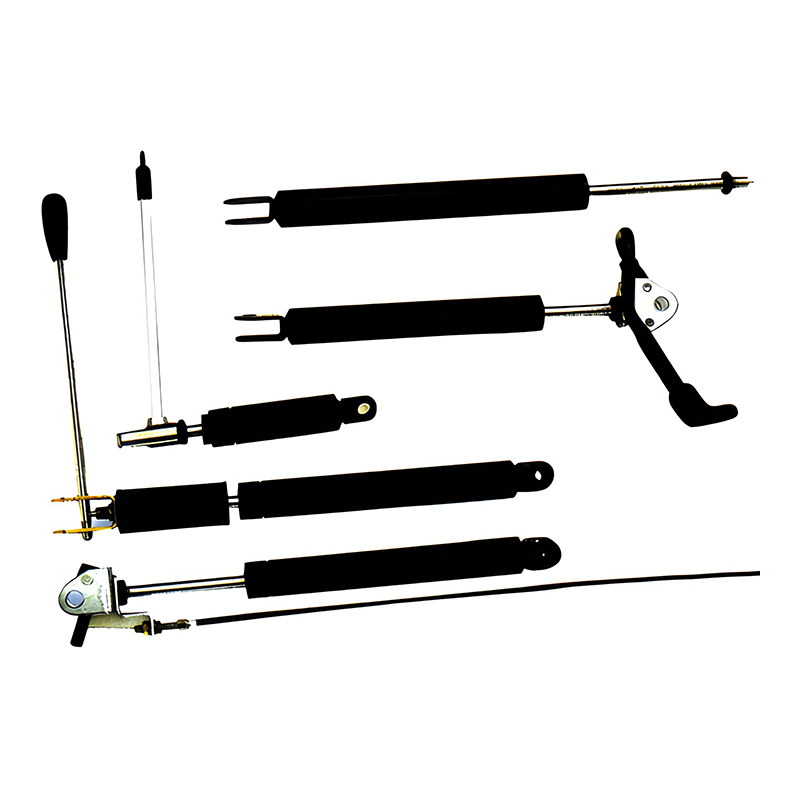
- External release mechanism (cable, lever, or button)
Types of Locking Mechanisms and Performance Differences
Adjustable locking gas springs are available in rigid locking and elastic locking configurations. Rigid locking models hold firmly in both compression and extension directions, making them suitable for safety-critical applications. Elastic locking models allow slight movement under load, providing shock absorption and flexibility for ergonomic equipment.
The choice between these mechanisms depends on load stability requirements and operational conditions. Industrial machinery platforms often require rigid locking, while medical beds and adjustable chairs benefit from elastic locking for user comfort.
Locking Type Comparison
| Locking Type | Stability Level | Load Response | Typical Applications |
| Rigid Locking | Very High | Minimal Movement | Industrial panels, machinery covers |
| Elastic Locking | Moderate | Slight Flexibility | Medical beds, office chairs |
Force Calculation and Selection Criteria
Proper selection of adjustable locking gas springs requires accurate force calculation. The required force depends on load weight, mounting angle, center of gravity, and lever arm distance. Incorrect force selection may result in insufficient lifting assistance or excessive stress on mounting brackets.
Manufacturers typically provide force ratings in Newtons (N). Engineers should calculate the effective load torque and determine the optimal extension force accordingly. In addition, stroke length and extended length must match the equipment’s movement range to ensure smooth operation.
Selection Considerations
- Load weight and distribution
- Required stroke length
- Mounting orientation and angle
- Environmental conditions such as temperature and humidity
Installation Methods and Mounting Alignment
Correct installation ensures optimal performance and service life. Adjustable locking gas springs should be mounted with the piston rod facing downward when possible, as this helps maintain internal lubrication and seal longevity. Brackets must be aligned precisely to prevent side loading, which can damage seals and reduce durability.
The release mechanism must be easily accessible and properly connected to ensure reliable locking and unlocking. After installation, functional testing should confirm smooth motion, accurate locking, and consistent load support across the full stroke range.
Industrial and Ergonomic Application Areas
Adjustable locking gas springs are widely used in industrial machinery, medical equipment, furniture systems, and automotive components. In industrial settings, they support adjustable work platforms and machine covers. In healthcare, they enable precise positioning of examination tables and hospital beds.
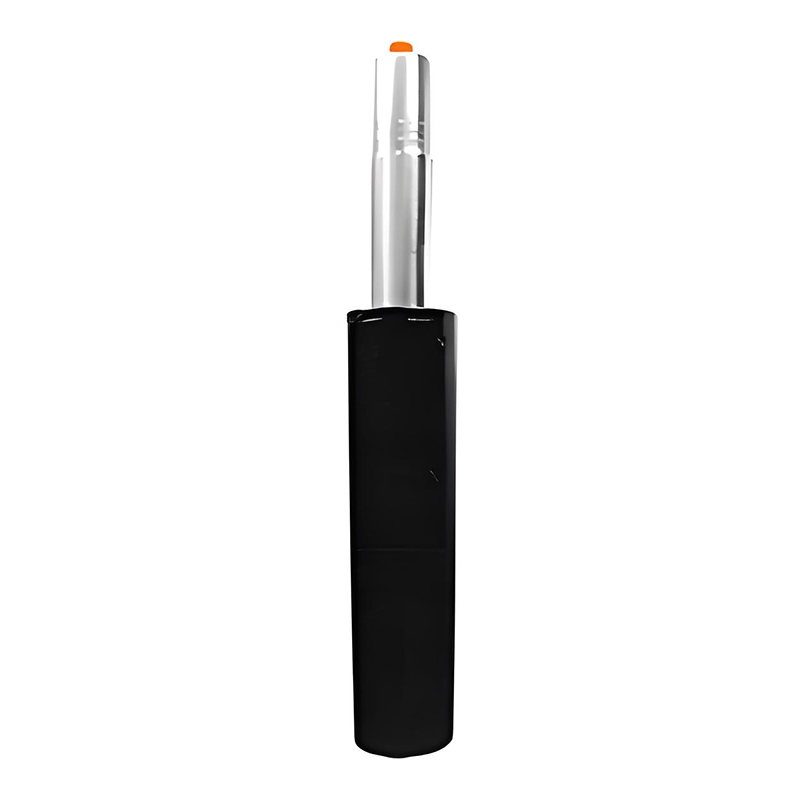
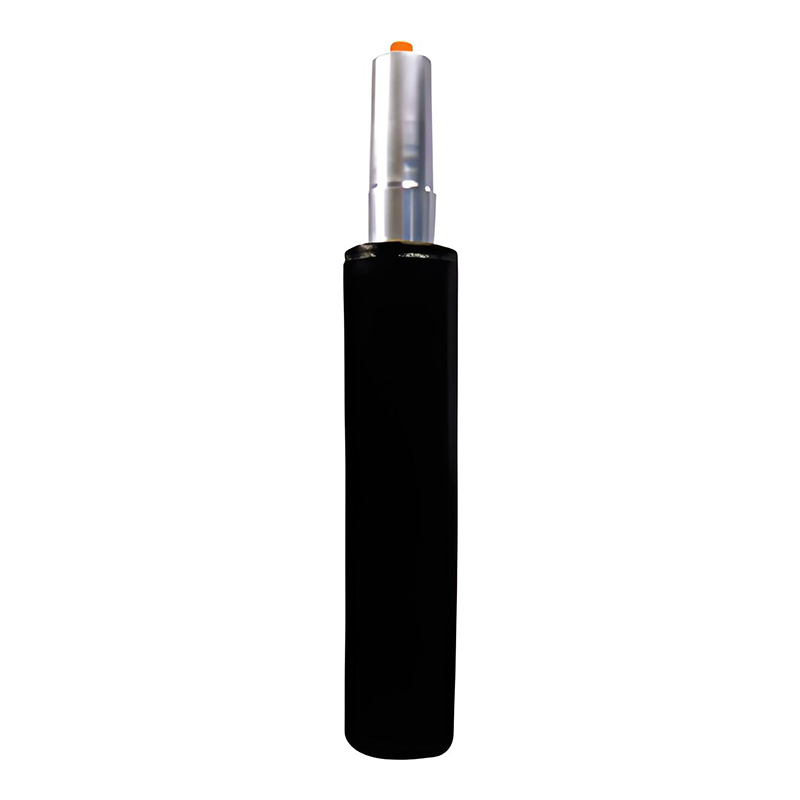
In ergonomic furniture design, adjustable locking gas springs allow users to customize seating and workstation angles. Their ability to combine smooth movement with secure locking improves both safety and user comfort in dynamic environments.
Maintenance and Service Life Optimization
Although adjustable locking gas springs are generally maintenance-free, periodic inspection enhances reliability. Checking for oil leakage, rod surface damage, and mounting bracket wear helps prevent unexpected failure. The piston rod should remain clean and free from corrosive substances.
Operating within specified load limits and temperature ranges extends service life. Avoiding excessive side loads and ensuring correct installation alignment significantly reduces internal seal wear. With proper selection and maintenance, adjustable locking gas springs deliver consistent performance in demanding mechanical systems.