 English
 русский
 Deutsch
 日本語
日本語
Content
Why Stroke Length and Diameter Decide the Fit
The single most common sourcing mistake with bar stools gas springs isn't picking a weak or unreliable unit — it's picking one that doesn't physically match the seat mechanism. Two numbers determine whether a gas spring will actually work in a given stool design: stroke length (how far the seat travels between lowest and highest position) and connection diameter (whether the spring's mounting end fits the swivel plate and base sleeve).
Get either one wrong, and the spring either won't seat properly in the base, or the stool won't reach the height range the design called for. Everything else — finish, damping quality, load rating — only matters once these two dimensions are confirmed.
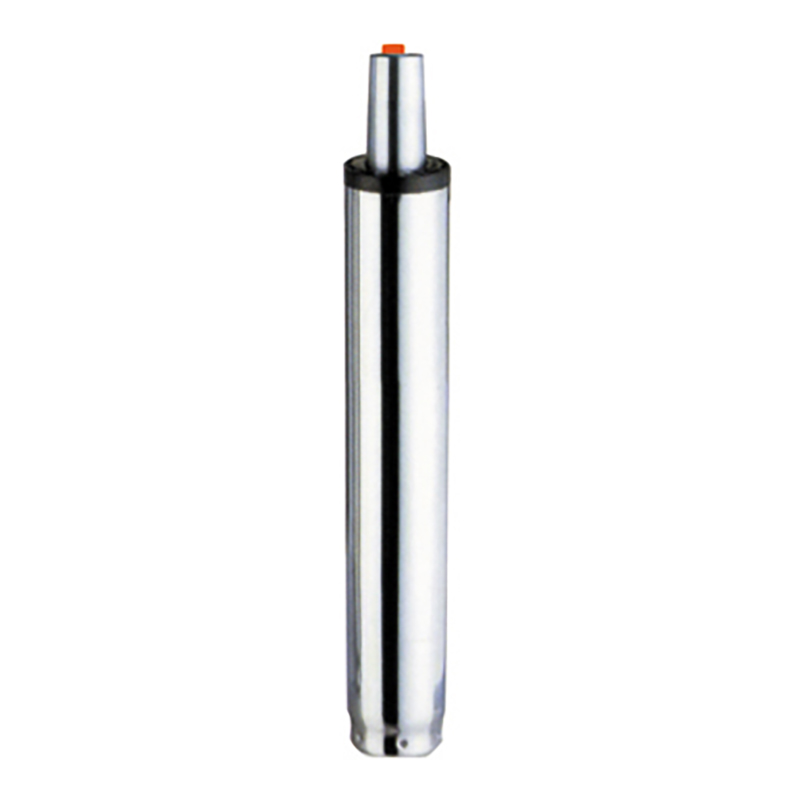
Two ADF Series Built for Different Travel Ranges
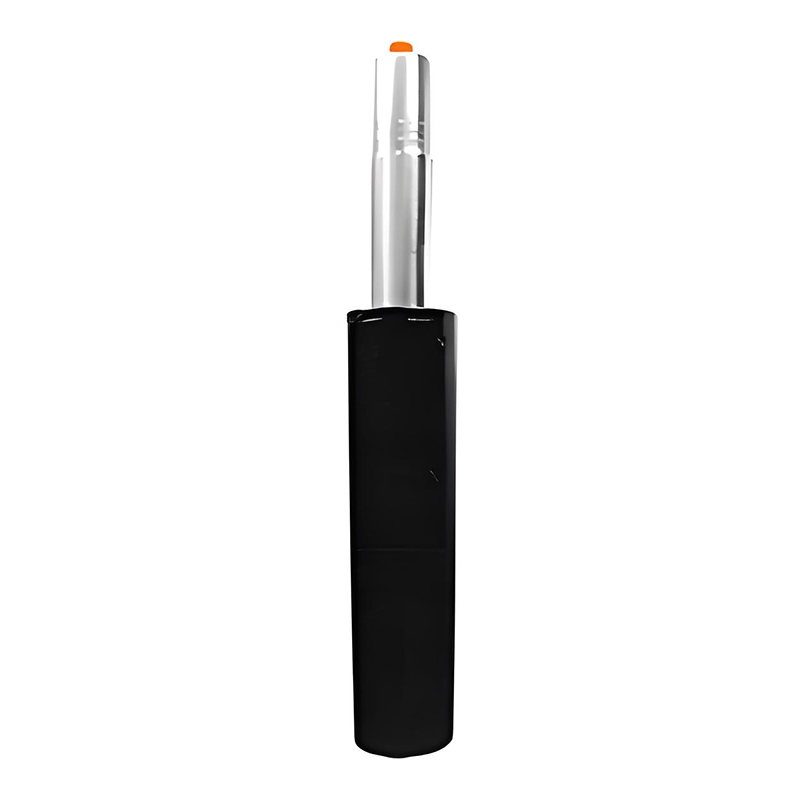
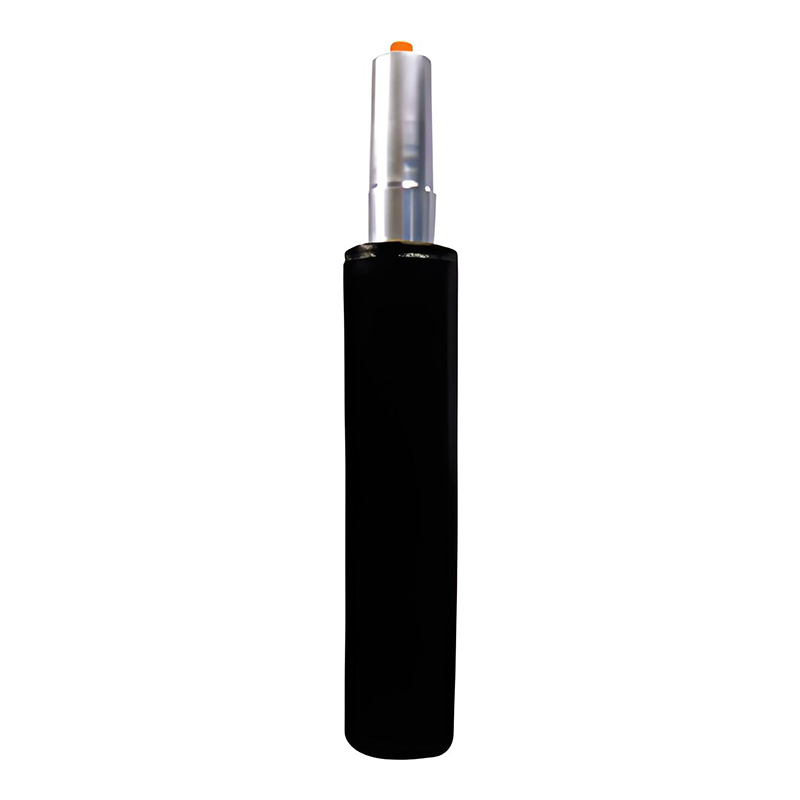
ADF produces bar stool gas springs across more than one stroke range, which matters because not every bar stool needs the same amount of vertical travel. The table below compares the two most commonly specified series.
| Spec | ADF-243 (S-210-10 / D-210-20) | ADF-400-270-35 (S-375-10 / D-375-20) |
|---|---|---|
| Outer Tube Length (A) | 210 mm | 375 mm |
| Inner Tube Length (B) | 58 mm | 58 mm |
| Connection Diameter (C) | 10 mm / 20 mm | 10 mm / 20 mm |
| Overall Length (L) | 388 mm | 710 mm |
| Adjustment Stroke | 120 mm | 270 mm |
Both series share the same 10 mm and 20 mm connection diameter options, which keeps mounting compatibility consistent across a manufacturer's product line even when stroke requirements differ. You can review the full ADF-243 series specifications for the complete dimensional breakdown.
Matching Stroke Length to Seat Height Range
Stroke length isn't a cosmetic spec — it directly sets how much height adjustment a finished stool can offer. A 120 mm stroke, like the ADF-243 series, suits standard bar and café stools where the seat needs a moderate adjustment range to fit varying counter heights. A 270 mm stroke, like the ADF-400-270-35 series, is built for stools that need to swing across a much wider range — for example, multi-purpose seating meant to work at both counter height and standard dining height.
Choosing a shorter stroke than the design calls for leaves the stool unable to reach its intended maximum height. Choosing a longer stroke than necessary adds unused travel and unnecessary cylinder length inside the seat column, which can affect the stool's overall proportions.
Why the Damping System Matters Beyond Comfort
Once stroke and diameter are confirmed, the internal damping system is what determines how the spring performs under repeated daily use. Both ADF series incorporate a built-in damping mechanism that controls the rate of movement during height adjustment, preventing the seat from dropping suddenly when weight shifts or the release is triggered.
For commercial settings like bars and cafés — where a single stool might be adjusted dozens of times a day across different users — this damping performance is what separates a spring that stays quiet and controlled over years of use from one that becomes loose or jarring after a few months of heavy cycling.
Sourcing Considerations for Furniture Manufacturers
For furniture manufacturers specifying gas springs at scale, stroke and diameter compatibility should be confirmed against a physical sample or detailed drawing before committing to a production run — not just against the published spec sheet. Beyond dimensional fit, it's worth confirming the supplier's testing protocols and export experience, since consistent quality across a full production batch matters more for bulk orders than any single unit's specs.
ADF manufactures bar stool gas springs alongside the complete range of gas springs ADF manufactures for seating applications, giving furniture manufacturers a single source for matching components across an entire seating line, from bar stools to office chairs.